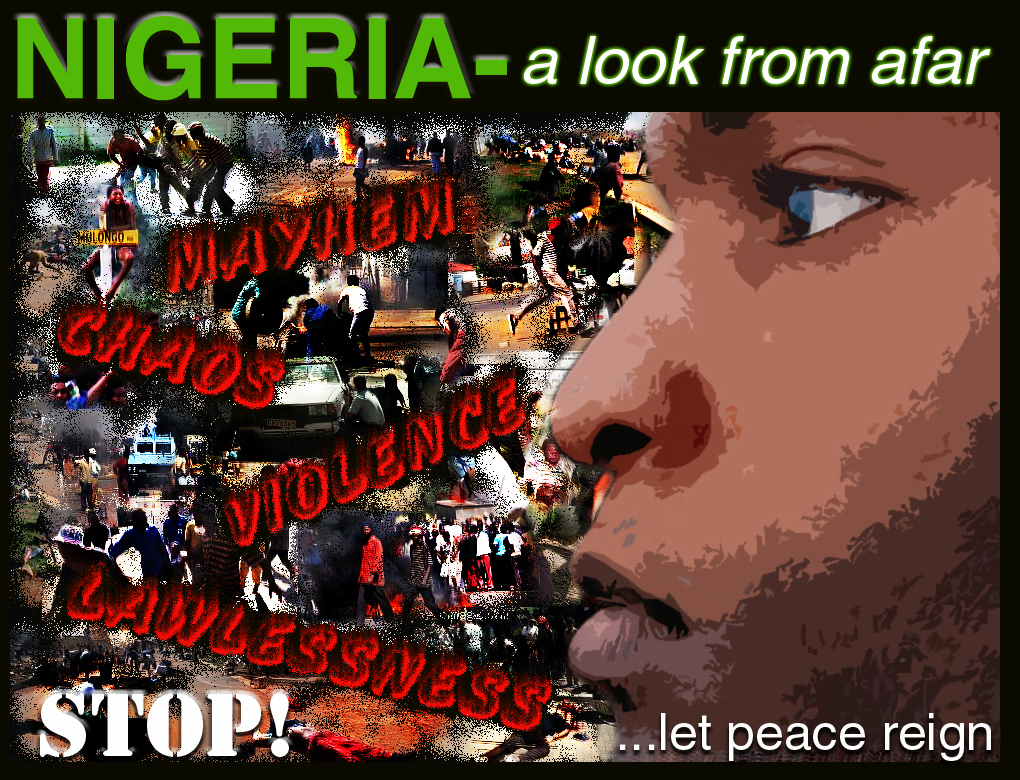
Traditional mediums have always evolved alongside, and in response to computer technology. They are different angles of human development, but are entwined because they both reflect human ingenuity and expression. This study recognizes the dynamic relationship that one can never exhaust exploring its various possibilities. Even though a method which describes a way to generate interactively a computer painting with brush strokes from a natural or synthetic picture has been developed, this computer generated technique does not still give the work that "real" look, that a paintbrush would give to an art work. The pressure of the brush, the velocity, the thickness, the direction, the characteristics of the paper or canvas, the opacity of the bristles and the color deviation of the computer-generated brush strokes can never match or suppress that of the traditional paintbrush. The study acknowledges the fact that artists can build their worlds according to existing laws, but they can also set up their worlds according to their own laws, by laying out the germ and watching what evolves from it.
Social commentaries through graphic arts have a long and turbulent history that stretches far back over the centuries, and shadows developments in print technology. Various social commentaries like political cartooning, poster designs, graffiti and other forms of agitation in current usage all have roots in the very distant past. A poster can be of any size. A postage stamp is a miniature poster; and a spectacular sign the length of a city block, like those in Times Square in New York, is also a poster.
The relationship between humans and their tools are very complex. Using tools, we have been able to transform the physical world by developing cities, building bridges and constructing motorways. Through these endeavors, there has developed an awareness that the world is malleable (i.e. capable of being altered or controlled by outside forces or influences), and from this awareness there has grown a visual culture of tremendous depth and texture. The tools have become more sophisticated- and the development of the computer provides perhaps the greatest opportunity yet to initiate overwhelming change. The importance of these "old" tools is indisputable though, as they are means by which Western visual culture has been created.
The emphasis in this study is to identify the advantages in merging the use of Computer Graphics and Traditional Painting techniques in producing poster designs. This way, the poster will not just serve as a communicative medium but also as a work of Art (in terms of its aesthetic qualities).
To view my Exhibition works, click on image below