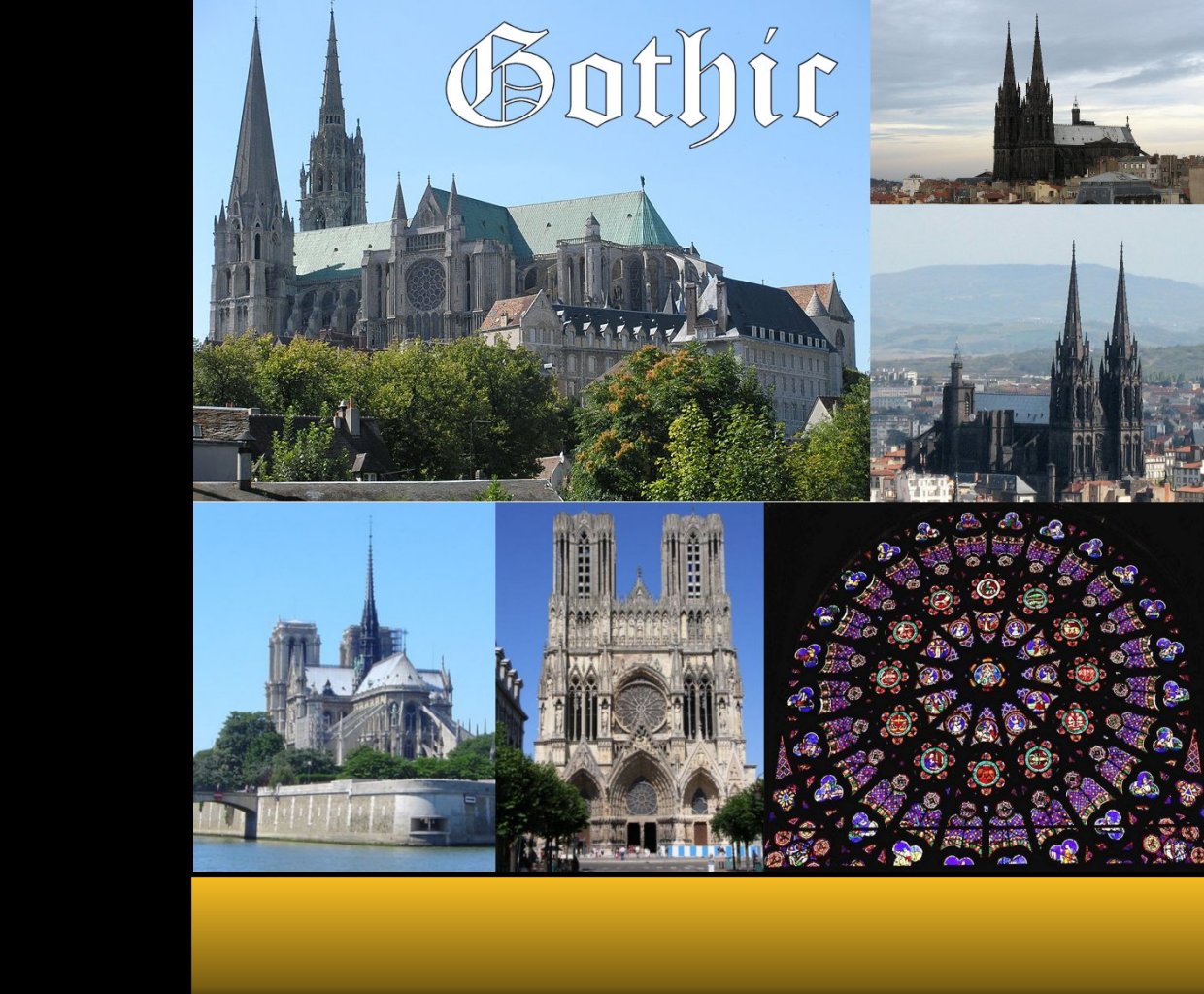
This is MathKnight's page. It is dedicated to the
Gothic (and Gothic Revival) Architecture,
the summit of men's structural engineering and architectural building, masterpieces of human creative mind and labour hand, spiritual monuments of genius design. My favorite style of architecture and philosophy.

Gothic terminology |
My view of the Gothic |
Wallpapers |
External Links
The Gothic Gallery :
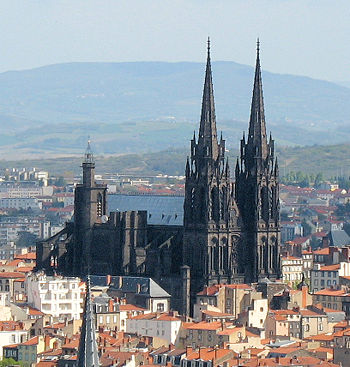
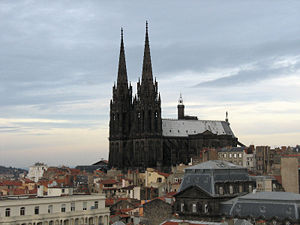
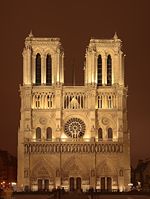
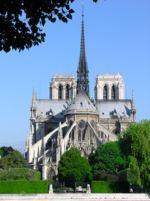
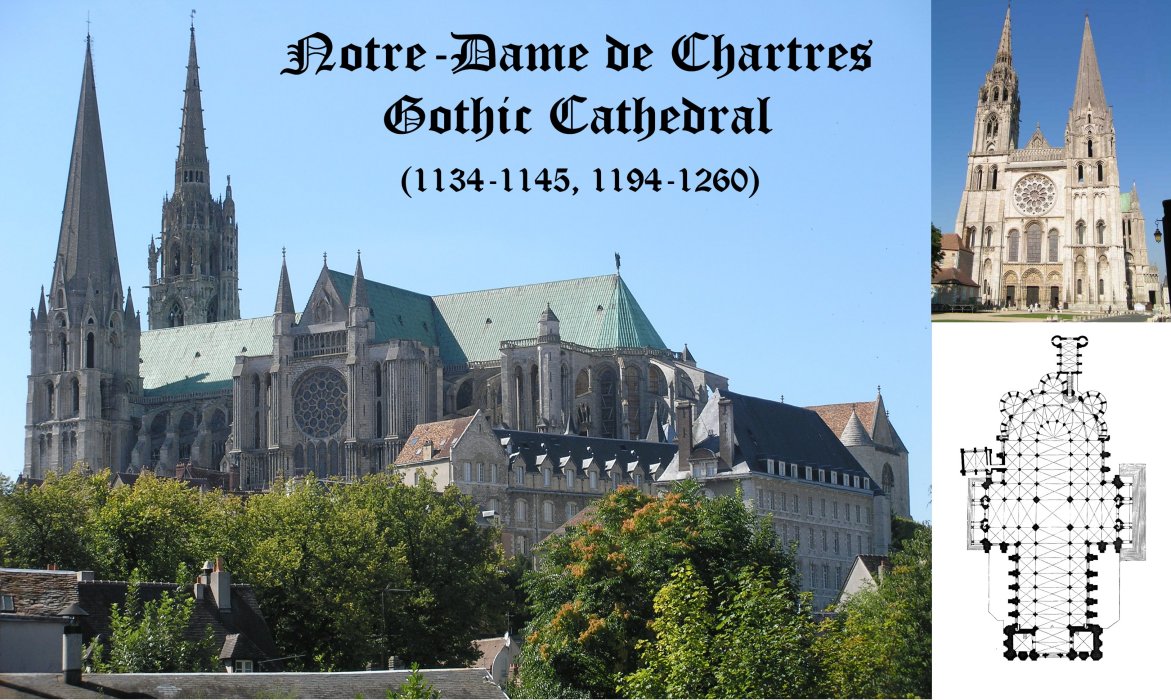
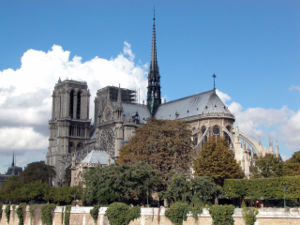
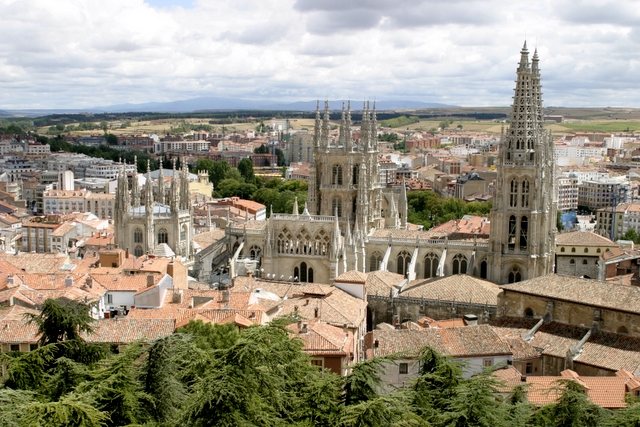
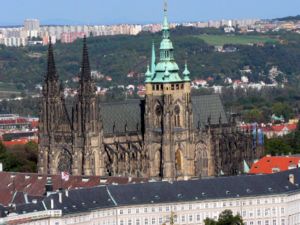
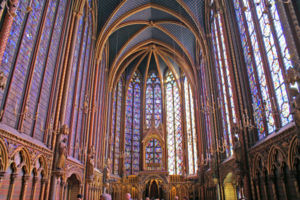
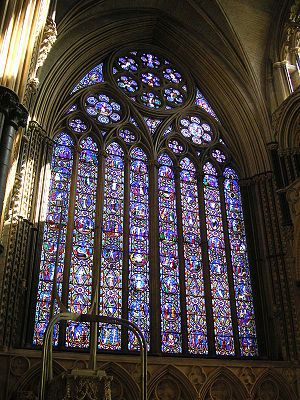
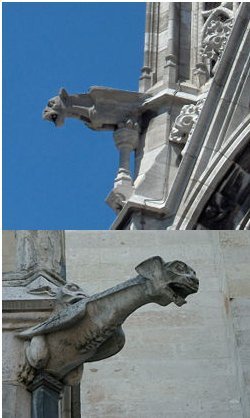
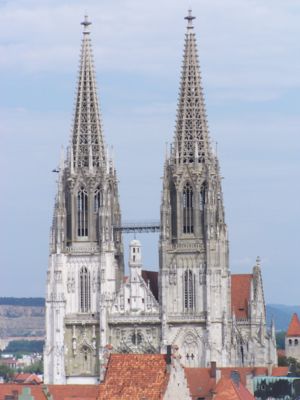
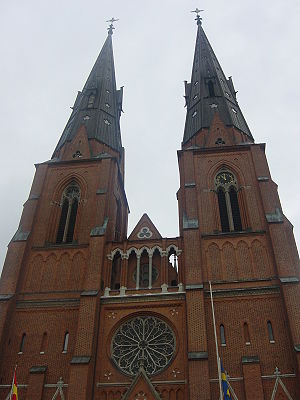
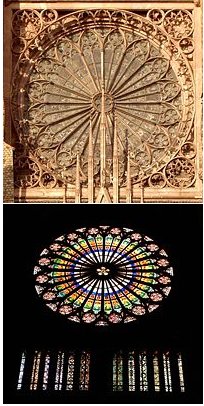
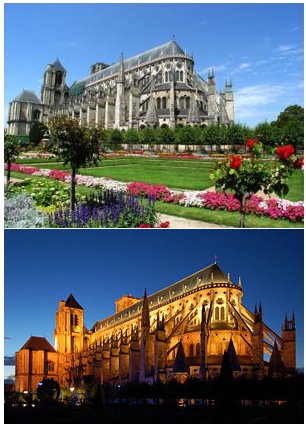
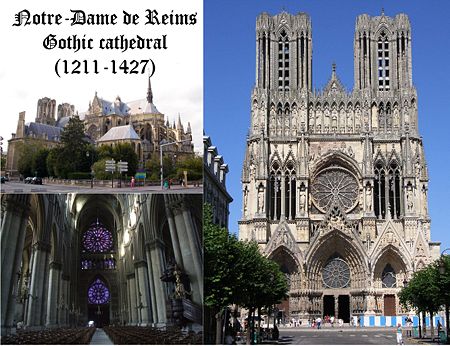
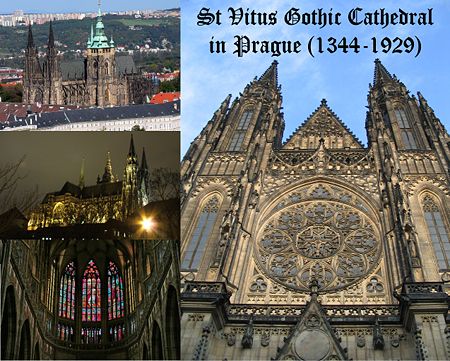
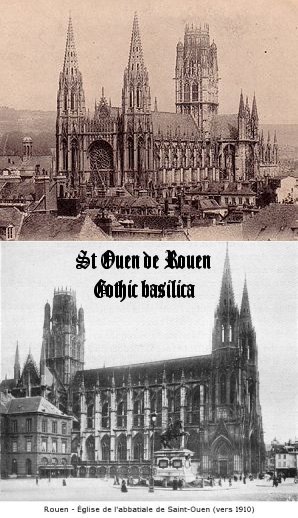
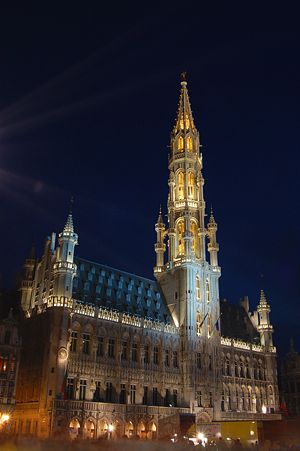
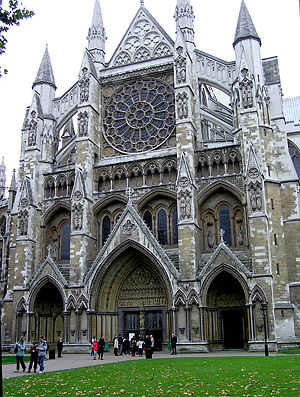
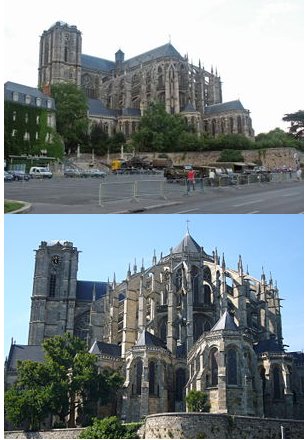
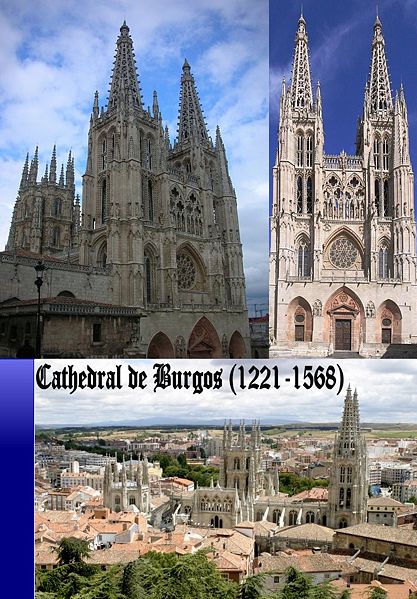
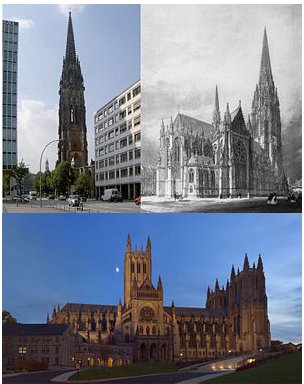
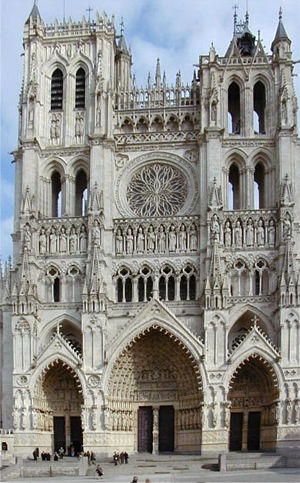
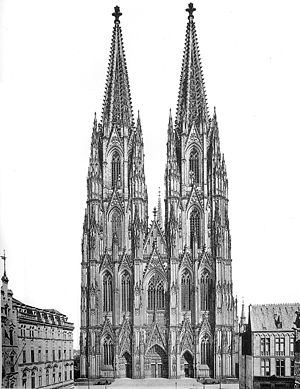
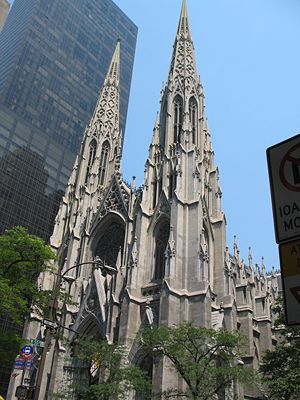
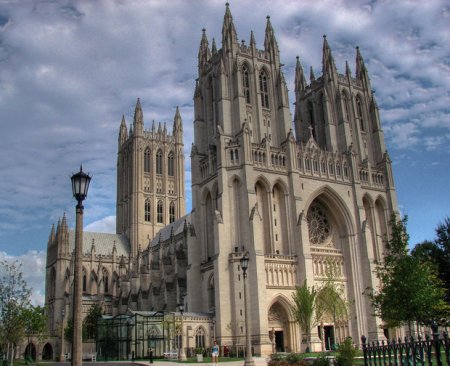
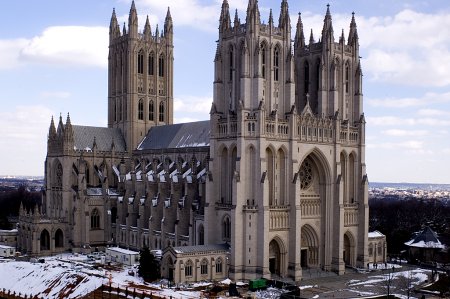
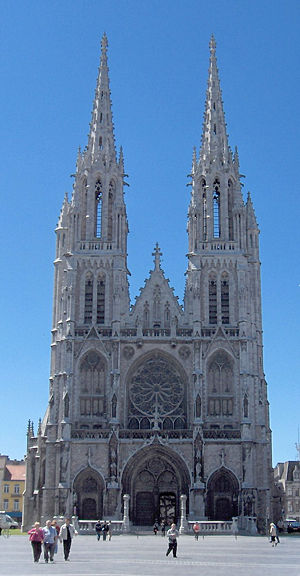
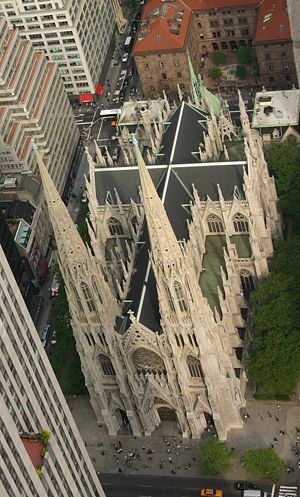
Here is a gallery of selected Gothic and Neo-Gothic structures, which I find them magnificant, impressive and beautiful. Pass the mouse over the pictures to see more details and click on it to see higher resolution version in WikiCommons. Information about the structures can be found in Wikipedia (both Hebrew and English).



My view of the Gothic:
 The Gothic architecture is considered to the summit of men's ability to build from stone and I agree. The Gothic cathedrals were large-scale projects blessed not only in grand and tall measures but also with a richness of ornamentations � both in artworks proper (stained-glass windows, Gothic sculpture, stone carving etc) and both in architectural elements that served both as decorations and as support to the grand structure. The Gothic cathedral meant to symbolize heavenly Jerusalem and for that it was built in large scale, as a structure striving towards the sky, with pointy spires the scrap the sky and high vaulted naves that make men fill insignificant versus the power of God. The vicinity of the church was full of mystical light, thanks to the large stained-glass windows which depict in various colors stories from the Bible. So, the Gothic architecture combines between loft and slim structure to a space full of light, and delicate beautiful stonework and does it with rare talent and splendor. It combines vision with dedicated work of hundreds of craftsmen to create architectural perfection in which every part supports the grand whole. There is no doubt that Gothic (and neo-Gothic) structures are masterpieces of architecture, engineering and art.
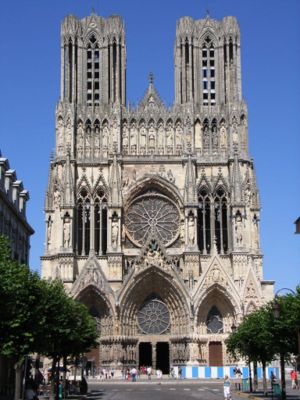
The Gothic architecture was born in Medieval France during the middle 12th-century and reached it peak during the 13th-century, then the great cathedral of Paris, Chartres, Reims, Amiens and Bourges were built, along with dozens cathedrals in other towns and provinces in France. The Gothic architecture spread to England, Germany, The Holy Roman Empire, Spain, center and northern Europe, and even to Italy � each giving local variations to the French Gothic style.
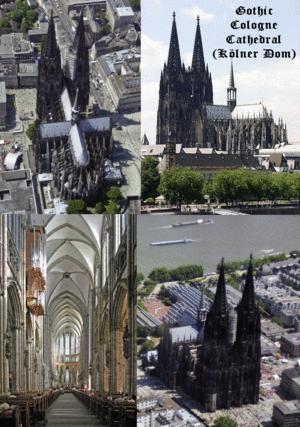
The Gothic architecture decayed during the 16th-century and was deserted for the Baroque architecture, although it somehow survived in France and England also during the 17th-century. During the 18th and 19th centuries the Gothic architecture again gained favor, due to the Romanticism and so Gothic Revival (Neo-Gothic architecture) was born. Many cathedrals, churches and structures were renovated, completed and restored during that period, including Cologne cathedral (Kölner Dom), Prague's St. Vitus cathedral, Ulm münster, Regensburg Dom and Clermont-Ferrand cathedral. The Gothic Revival gave new meaning to Gothic architecture and interpreted it as triumph of spirit over matter, a monument that celebrates the divine, the heavenly and the unnatural, as a feat of engineering and art, as a testimony to men's skill and talent and as a mysterious structures with halo of the religious and mystical past, and as a masterpiece in which the whole bigger than the sum of its parts and each element contributes to the splendor and beauty of the structure.
I started to love Gothic architecture in the year 2000, then I was a high-school student and visited Italy. There I saw grand and beautiful cathedrals (Sienna Duomo, Santa Maria del Fiore, and of course, the Duomo di Milano � the spectacular Gothic cathedral with its forest of pinnacles, one of the largest and most beautiful cathedrals in the world) that were built in Gothic style (Italian Gothic with tendency for the Renaissance, but still Gothic in some manner). When I was younger I visited Notre-Dame de Paris. The characteristics of Gothic architecture, that merged well with the Romantic interpretation (The Romantic Movement of the 19th-century, that gave birth to Gothic Revival and Gothic Literature) of the Gothic as a strive towards heaven, for the spiritsness, for virtue and combining the Grotesque with the sublime (the Gargoyles and the Chimeras that frightened the people used to serve as water drains and guarded the cathedral from evil spirits) and on the opposite � the accepetance of the sad, the gloomy, the dark and the morbid without fear of the ugly and the sad (do you think sadness is evil). Beside of these values, the Gothic structures are beautiful, marvelous and magnificent in an unusual manner, as you have seen in the Gothic Gallery.
Gothic and Neo-Gothic architecture are the summit of human architecture and craftsmanship and undoubtly my favorite styles. The Gothic spirit, together with modern engineering and technology can bring new heights of architecture, enginnering and art that combine the best of French Gothic and German Flamboyant spires with Romantic interpretation and a loving artist hand.
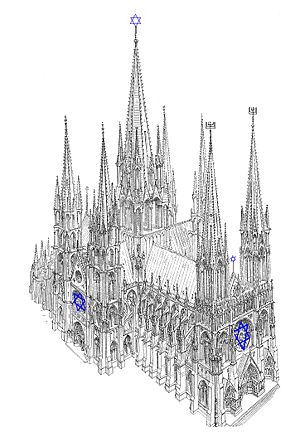
One of my dreams is to build a Synagogue in Gothic style, which would be the largest and tallest religious structure in the world.
With pleasure,
MathKnight
Gothic Israeli Jew
Terms:
In English:

In Hebrew:

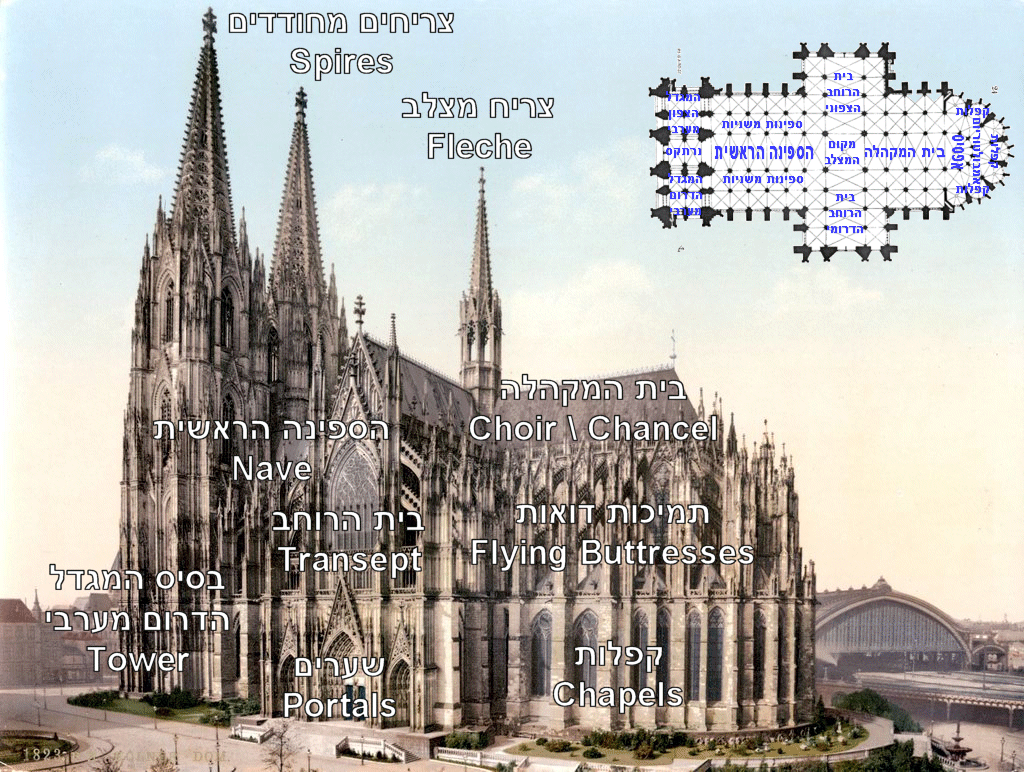
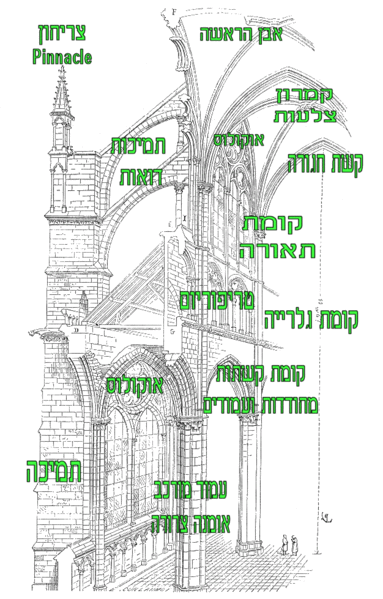
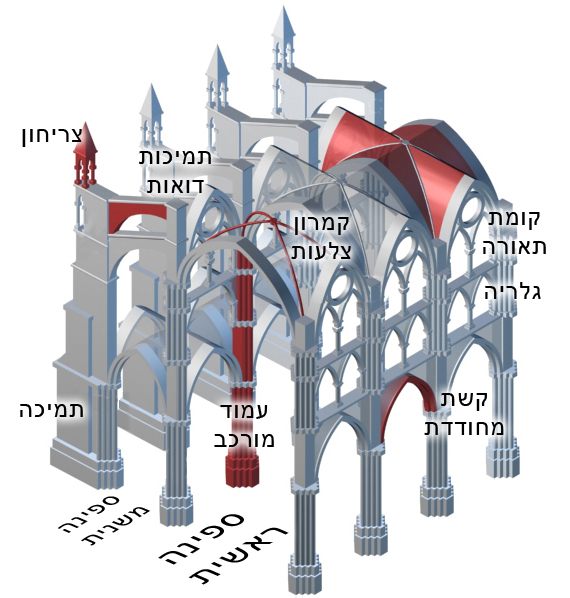
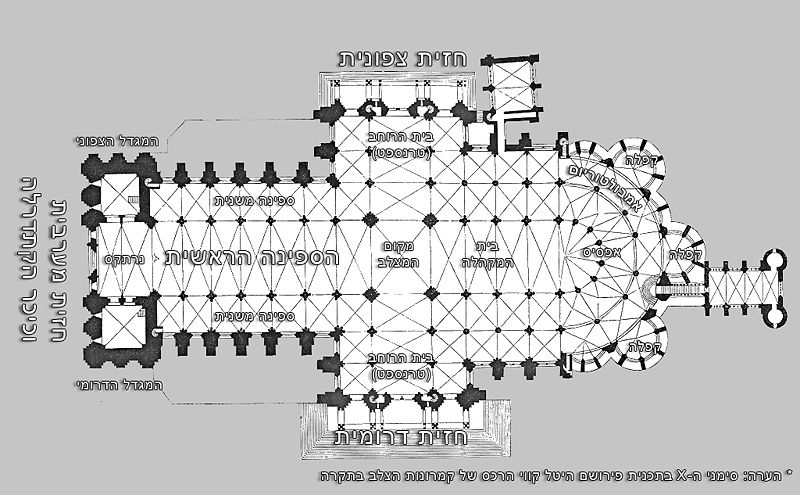
See also: Terms in Gothic architecture - in the Hebrew Wikipedia.
Wallpapers:
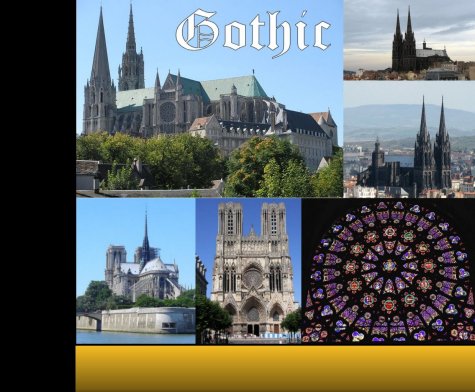
Click on thumbnail to download full image (1024 x 1240).

Click on thumbnail to download full image (1024 x 1240).
See also:
Credits:
Website built by MathKnight.
All pictures are taken from WikiCommons , a Wikimedia Foundation source for free media and pictures.
The attributed picture are released either under GNU Free Documentation License and\or Creative Commons 2.0 and above. In short: this licenses allow free use as long as the creator is being attributed and properly credited and that derivative works are released under competible licenses.
Credit to the photographers:
- FJK71, Judith Stricker, Thomas Robbin
- bodoklecksel
- Fabien1309
- Tom S.
- Fabien1309
- Sanchezn, Eric Pouhier
- Honge, User:Robi, Eugene Emmanuel Viollet-Le-Duc - merged & texted by MathKnight
- Traveler100
- Alexander Umbricht
- www.viajar24h.com
- Gouwenaar
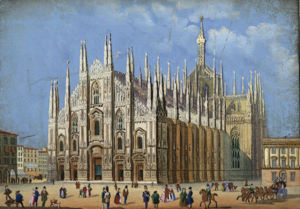
- Milano, Il Duomo. Anonymous etching, colorized, 9 x 21.1 cm
- Paolo da Reggio
- Jan van der Crabben
- Giovanni Dall'Orto
- MathKnight and Zachi Evenor
- Didier B (Sam67fr)
- TTaylor
- Georges Jansoone, Arriqui
- S.Fischer
- Olli hki
- User:Magadan, modified TTaylor, and Rama
- bodoklecksel, Mattana and Ludo, merged and texted by MathKnight
- MathKnight and Zachi Evenor, User:valyag, Hynek Moravec, User:Diliff, merged and texted by MathKnight
- Ludovic Lefort, 19th century
- Luc Viatour
- Adrian Pingstone
- Amirwiki, Wladyslaw Sojka
- Fafner, Pepijntje
- Trabajo Propio - FAR Fernán González, Daniel Canton. Source files assembled by xavax and www.viajar24h.com (merged by MathKnight)
- SKopp, Staro1 (merged by MathKnight), Noclip
- Cicero and Wikipeder
- Max Haasak
- Kjetil Ree (St. Patrick's cathedral, New York)
- Unknown - http://www.visitingdc.com/more-washington-dc/national-cathedral-picture.htm
- Unknown
- JoJan
- J.M. Luijt, cropped by MathKnight
- Uknown (Public Domain)
(That's it, thank you for reading this!)
Back to Main page.


.jpg)

 The Gothic architecture is considered to the summit of men's ability to build from stone and I agree. The Gothic cathedrals were large-scale projects blessed not only in grand and tall measures but also with a richness of ornamentations � both in artworks proper (stained-glass windows, Gothic sculpture, stone carving etc) and both in architectural elements that served both as decorations and as support to the grand structure. The Gothic cathedral meant to symbolize heavenly Jerusalem and for that it was built in large scale, as a structure striving towards the sky, with pointy spires the scrap the sky and high vaulted naves that make men fill insignificant versus the power of God. The vicinity of the church was full of mystical light, thanks to the large stained-glass windows which depict in various colors stories from the Bible. So, the Gothic architecture combines between loft and slim structure to a space full of light, and delicate beautiful stonework and does it with rare talent and splendor. It combines vision with dedicated work of hundreds of craftsmen to create architectural perfection in which every part supports the grand whole. There is no doubt that Gothic (and neo-Gothic) structures are masterpieces of architecture, engineering and art.