Satellite EPIRBs, operate as part of a worldwide distress system. An international satellite constellation maintains a vigilant, global "listening" watch for satellite EPIRB distress signals. The National Oceanic and Atmospheric Administration (NOAA) operates satellites, ground stations, and an alert distribution system serving the U.S. and a wide segment of the international community.
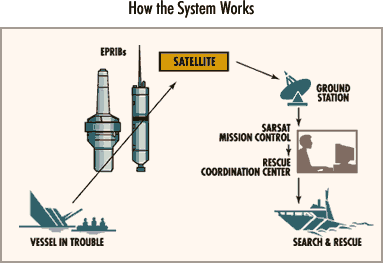
Geostationary satellites make detection almost immediate. If the EPIRB does not have the ability to provide a GPS position, the process to determine a position takes about an hour on average and almost always less than two hours.
Satellite EPIRBs also include a homing beacon and strobe to help rescue forces quickly locate the distress scene.
Satellite beacons have significant coverage, alerting timeliness, position accuracy, and signaling advantages over other types of EPIRBs (121.5 MHz). Before purchasing or using an other-than-406MHz EPIRB, be sure you understand its capabilities and limitations.
Mount the EPIRB to float free according to the manufacturer's instructions, if possible. Otherwise, make sure it is readily accessible. Register the EPIRB with NOAA, according to the instructions provided with the beacon. Registration is mandatory, improves response and reduces false alarms.