
Teacher: Mr. M
Demographic: Mr. M teaches science at NFA. He has two sections of Anatomy and Physiology, two of general biology, and six years ago he volunteered to teach biology to ESL students. This ESL class represented at least six languages and as many as ten countries including Mexico, Puerto Rico, Cape Verde, Haiti, China, and Bangladesh. There were twenty students all the age of high school juniors, nine male, eleven female from a various countries ranging In English abilities. Most of the students had been in the class for the entire year, three for only a few weeks.
In previous observational experience I sat in on predominantly science classes. This was my first ESL science class and I was very curious to see haw the class was managed and content introduced. At the start of the class I thought control would be an issue as the students gathered in groups chatting in their native languages. I could only think of a situation like Ellis Island with different languages being heard in all directions. It was the loudest classroom I had ever heard and it was quite intimidating.
Mr. M works with Mrs. P, and ESL tutor to effectively meet the needs of the students. He began a lesson on the lungs, respiration and the circulatory system. It was an active discussion prodded by questions from Mr. M. He used all forms of content to cross bridges and any answer in English was small victory for the class. Using the dry erase board Mr. M drew a rough drawing of a body and one by one had the class label heart, lungs, veins, arteries, and capillaries in several languages.
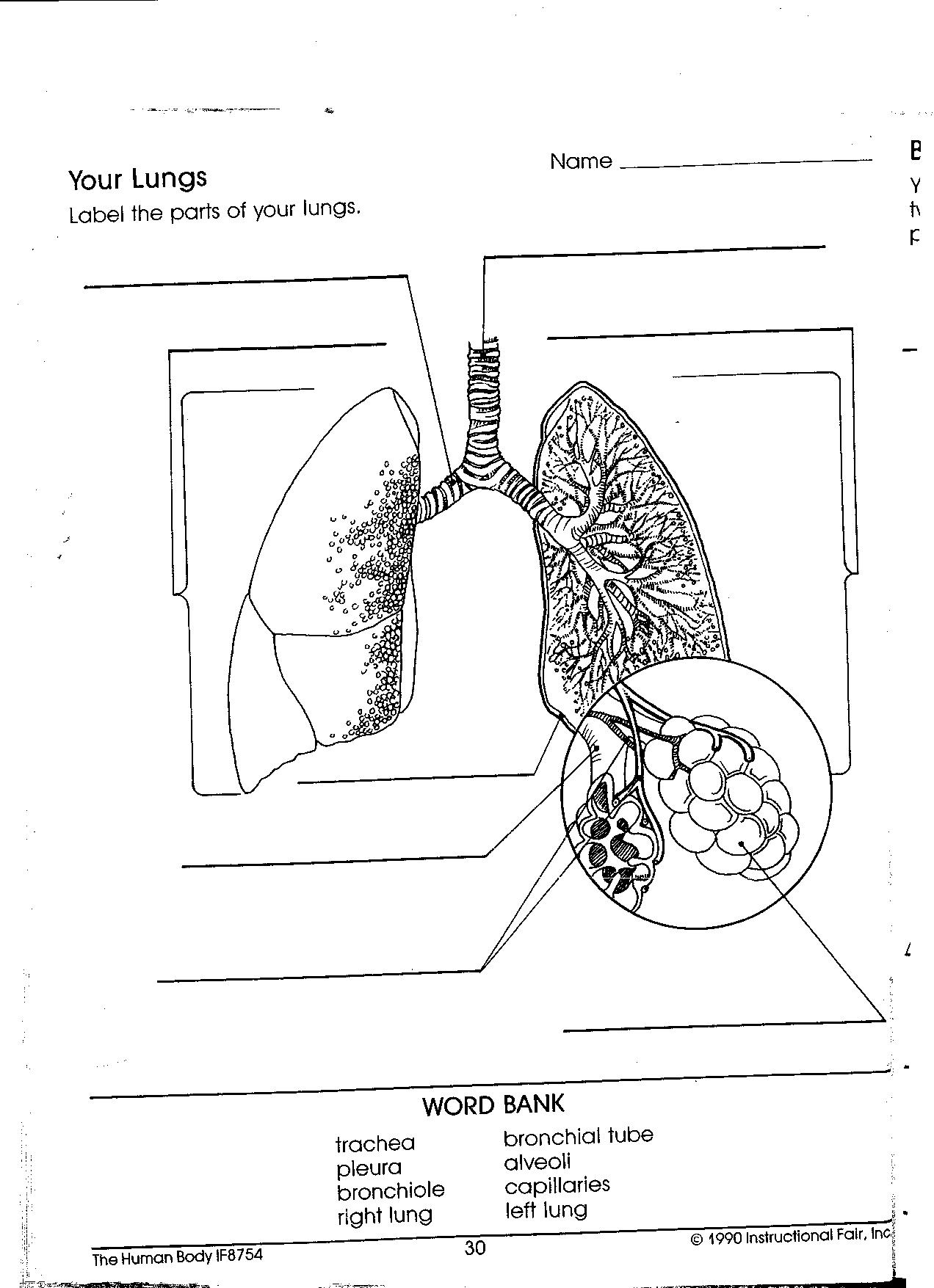
The previous nights' homework was to complete a worksheet packet of the respiratory and digestive system. The packet had drawings that could be labeled using a word bank provided. At first I felt this was little more than rote memorization, and it may have been for English proficient students, but for these students it was valuable practice, reading and writing the English languages, assisted visually by diagrams they probably had seen before. I found that many students could identify the parts in their native languages; it was making the connection to English that proved difficult. Once completing the diagram Mr. M showed the students how to take their pulse rate. He wrote the equation on the board to determine a heart rate by taking a pulse for fifteen seconds. Each student took their pulse and as a class they averaged them to find the mean for the class.
I spoke with Mr. M for some time after class to get a better idea of the activities I witnessed. Obviously his ESL class is very different from his other classes. He assigns simple readings with questions that can be taken verbatim from the reading. For proficient English speakers this is not a challenge but for ESL students they can search the readings and get the practice writing the answers while they become better readers. I showed him our text and asked if he used any of the strategies suggested in them. Mr. M does not like to use too many structured strategies with this class. Any visual aides and activities prove effective, while some students can get lost completely by one word the do not comprehend. The problem this poses is that if he challenges them to much he gets no reaction; the students will just not do the assignment. He has used KWL sheets in the past, and allows the students to write them in their native languages at the start and translate them to English as the lesson moves on.
Mr. M does an excellent job with these students. He enthusiastically pushes the students and lets them know as a class how they are doing. He clearly states at the beginning of the class what the objectives are, and closes the class talking with the students about how they feel the objectives have been met. I was very intrigued by this class and think I would enjoy teaching science to ESL students. I would use prompted journals and double entry journals with these students. Not only would an activity like this help students grasp the topic, but the un-graded writing offers an unintimidating writing forum for valuable reading and writing practice. (Vacca and Vacca pg272)