

Chinese pagodas come in various sizes and shapes. Some look like towers and some look like pavilions. Some pagodas are built alone and some are built with lots of other pagodas crowded together.


|
|
|
|
|
|
|
|
|
|
|
|
|
|
|
|
|
|
|
|
|
|
|
|
|
|
|
|
|
|
|
|
|
|
|
|
|
|
|
|
||||||||||||||||||||||||||||||||||||||
| Research | ||||||||||||||||||||||||||||||||||||||
|
||||||||||||||||||||||||||||||||||||||
| Our birdhouse is a fusion of the Chinese pagodas. Chinese pagodas come in various sizes and shapes. Some look like towers and some look like pavilions. Some pagodas are built alone and some are built with lots of other pagodas crowded together. |
||||||||||||||||||||||||||||||||||||||
|
||||||||||||||||||||||||||||||||||||||
| History of Pagodas | ||||||||||||||||||||||||||||||||||||||
| Many of these Chinese pagodas are connected to Buddhism in China. The first pagodas were built when Buddhism got into the territory of Han Dynasty from India during the first century of AD. Buddhism is known to be the religion of image. This is because Buddhism is preached through images. Since the time Buddhism came into the Chinese culture, innumberable images of Buddha as well as Buddhism pagodas have been built up. | ||||||||||||||||||||||||||||||||||||||
| Use of Pagodas | ||||||||||||||||||||||||||||||||||||||
| At first, pagodas were the central building of a temple where monks prayed and often lived in. Pagodas were also used for more practical needs. In Northern China, pagodas were built as military watch-towers while in Southern China, seaside and riverbank pagodas aided navigation. Many of them were built as lighthouses. | ||||||||||||||||||||||||||||||||||||||
| Present Day Pagodas | ||||||||||||||||||||||||||||||||||||||
| Today, Pagodas are seen everywhere. They are seen in parks to make beautiful scenes while other pagodas are still used for religious purposes. Pagodas are seen all over the world including Vancouver. One pagoda that I remember seeing is the one in Central Park, Burnaby. | ||||||||||||||||||||||||||||||||||||||
|
||||||||||||||||||||||||||||||||||||||
|
||||||||||||||||||||||||||||||||||||||
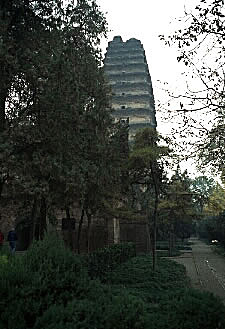
| Wild Goose Pagoda located in Xi'an | ||||||||||||||||||||||||||||||||||||||
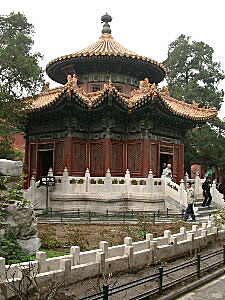
| Thousand Autumn Pavilion Imperial Garden in Beijing | ||||||||||||||||||||||||||||||||||||||
|
||||||||||||||||||||||||||||||||||||||
|
||||||||||||||||||||||||||||||||||||||
|
||||||||||||||||||||||||||||||||||||||
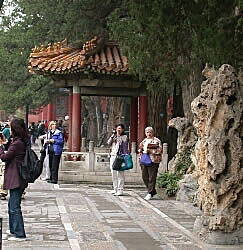
| Imperial Garden | ||||||||||||||||||||||||||||||||||||||
| Home | ||||||||||||||||||||||||||||||||||||||
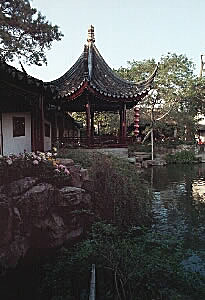
| Pagoda (Administrator's Garden of Suzhou | ||||||||||||||||||||||||||||||||||||||