
|
|
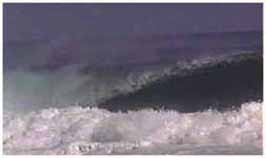 |
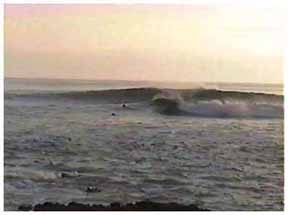
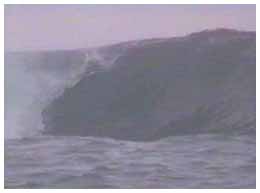
The Surf The Humbolt current gives constant swell to the Chilean coast. The best period for waves in Iquique is the Austrial winter, May to October, although there is surf year round. Glassy, windless conditions are normal for the area.
|
|
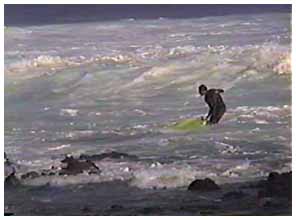
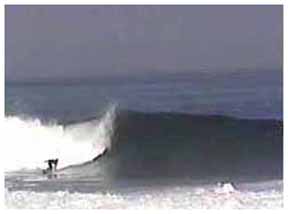
Dangers Most of the surf spots in Iquique are short, barreling reef breaks. The waves break in shallow water and are very powerful. The reef is also full of black urchins. Many of the locals wear helmets for protection.
|
 |
 |
The Climate Iquique is blessed with year round spring-like weather. The coast doesn't get any rain due to the Antarctic Humbolt current. In summer (November-April), the average air temps average from 63-77F (17-25C). In winter (May-October), the average air temps average from 58-68F (14-20C). There is very little change in water temperature throughout the year. Water temps range from 62-68 (16-19C). Summer is warm, with dry and cloudless conditions. There are often coastal morning clouds in the winter that burn off before noon.
|
|
Equipment Two boards are usually needed for the powerful waves of Iquique. One from 6-6'4 and the second from 7'-8'. Boards are broken easily in Iquique. In winter, a 3/2 wetsuit is necessary. Bring a pair of booties for the rock reef and sea urchins. Make sure to bring lots of wax and ding repair materials. Since there are very few shapers in Iquique, foreign-made boards are in high demand. Bring extra boards so you can sell them when you leave. The locals will be stoked!
|
 |
 |
The Region The coast of Region 1 is an arid, brownish land with very littly vegitation. The coast often ends in steep cliff. Northern Chile has the driest desert in the world, called the Atacama. |
 |
 |