
Wild Dogs/ Gray Wolves
Tony says that wild dogs always travel in packs. And I found out how many
dogs/ wolves usually form a pack if there is one.
|
|
|
|
|
|
|
|
|
|
|
|
|
|
|
|
|
|
|
|
|
| Snow Bound: Wild Dogs/ Gray Wolves |
||||||||||||||||||||
|
||||||||||||||||||||
| They will hunt in packs or singly. Hunting in packs allows wolves to prey on animals much larger than themselves such as moose, elk, bison, musk oxen and deer. Lone wolves are known to prey on rabbits, beavers and other small mammals. | ||||||||||||||||||||
|
||||||||||||||||||||
| They help control the prey populations because they often target the old, weak or immature animals. When they control the populations it helps keep the environment in balance. | ||||||||||||||||||||
|
||||||||||||||||||||
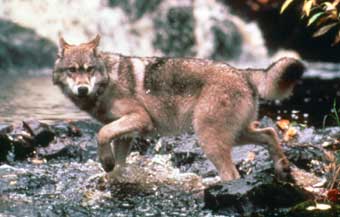
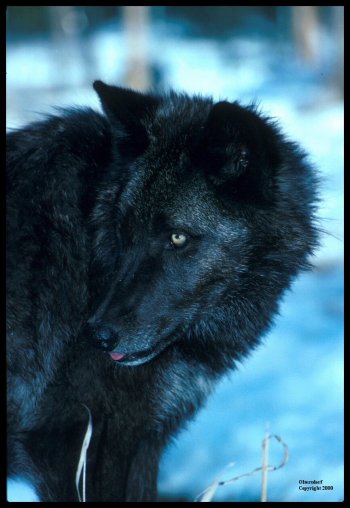
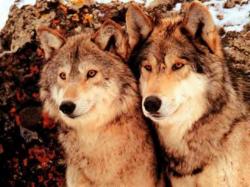
| The gray wolf can be anywhere from light gray to black in color. They are remarkable predators and scavengers | ||||||||||||||||||||
|
||||||||||||||||||||
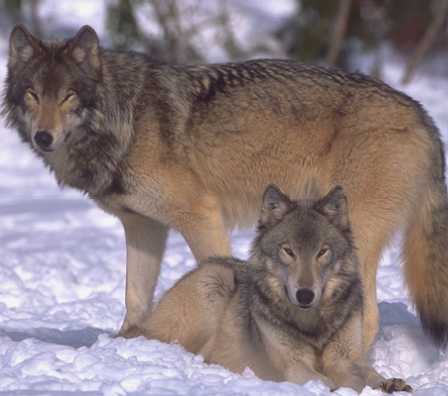
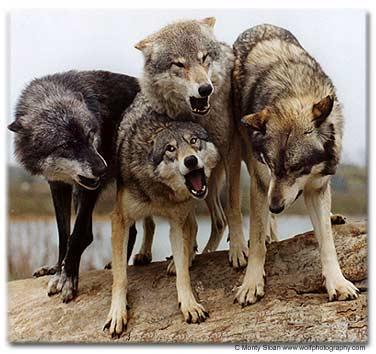
| Packs usually have 6 to 10 wolves. The alpha male and female, pups from he previous year and the current years pups. | ||||||||||||||||||||
|
||||||||||||||||||||
| Examples From Snow Bound: Tony says that wild dogs always travel in packs. And I found out how many dogs/ wolves usually form a pack if there is one. |
||||||||||||||||||||