
Most of them remain dormant, as eggs or as larva, pupa or adults. They remain hidden in a safe and warm place, under the bark of trees or in holes in the ground.



[email protected]
|
|
|
|
|
|
|
|
|
|
|
|
|
|
|
|
|
|
|
|
|
|
|
|
|
|
|
|
|
|
|
|
|
|
|
|
|
|
| Pollinators in winter | |||||||||||||||||||||||||||||||||||||
| What happens to pollinators during the cold winter months? Most of them remain dormant, as eggs or as larva, pupa or adults. They remain hidden in a safe and warm place, under the bark of trees or in holes in the ground. |
|||||||||||||||||||||||||||||||||||||
|
|||||||||||||||||||||||||||||||||||||
| Some bees and other pollinators make nests in unused beetle galleries in dead trees, and they may spend the winter there, either as larvae or dormant adults, depending on the species. | |||||||||||||||||||||||||||||||||||||
|
|||||||||||||||||||||||||||||||||||||
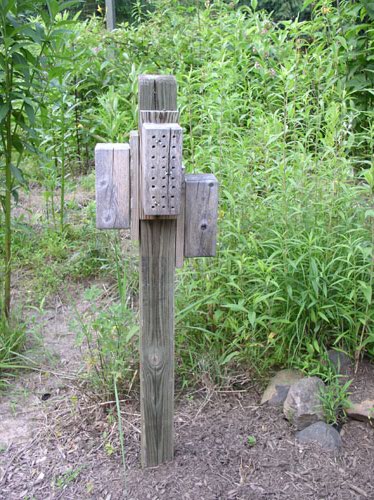
| In the suburbs, where there are few or no dead trees where bees can build their nests, you can help pollinators by supplying housing to them, such as this "bee condo" | |||||||||||||||||||||||||||||||||||||
|
|||||||||||||||||||||||||||||||||||||
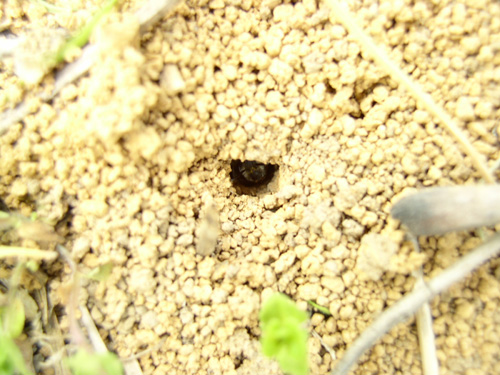
| Entrance to the nest of a digger bee. It is important to have some bare soil in your garden to supply habitat for these very useful bees. | |||||||||||||||||||||||||||||||||||||
|
|||||||||||||||||||||||||||||||||||||
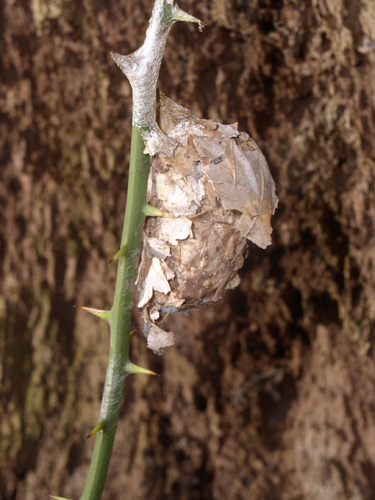
| Many butterflies and moths spend the winter as pupas, sheltered inside their cocoons. | |||||||||||||||||||||||||||||||||||||
|
|||||||||||||||||||||||||||||||||||||
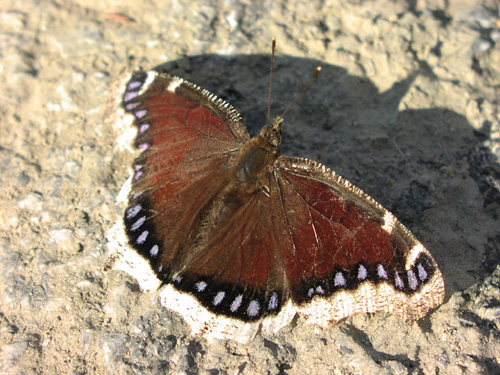
| The Mourning Cloak is one of the few butterflies that spend the winter as adults, hidden in crevices in the bark of tree. That is why they are among the first butterflies to emerge in early spring. This one was found in early March. | |||||||||||||||||||||||||||||||||||||
|
|||||||||||||||||||||||||||||||||||||
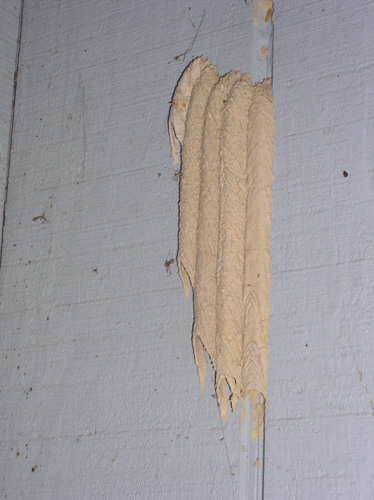
| Organ pipe wasps build mud nests that resemble organ pipes, the next generation spends the winter there. | |||||||||||||||||||||||||||||||||||||
|
|
||||||||||||||||||||||||||||||||||||
| Fall Spring | |||||||||||||||||||||||||||||||||||||
|
|||||||||||||||||||||||||||||||||||||
| Send your comments to Beatriz Moisset. [email protected] |
|||||||||||||||||||||||||||||||||||||
| Back to homepage | |||||||||||||||||||||||||||||||||||||