
 The purpose of this chapter is to acquaint students with some of the many methods systems analysts use to collect
information about information system requirements. The chapter begins with a discussion of the more
traditional requirements gathering techniques, such as interviews, questionnaires, and obtaining information from
organizational documents. The latter part of the chapter is devoted to more recently developed
techniques and tools, such as Joint Application Design (JAD), group support systems, prototyping, and CASE tools.
This chapter concludes with a discussion of business process reengineering.
From their study of this chapter, students should take with them an appreciation of the
different types of requirements information analysts collect and the different methods they can use to collect these
requirements. However, reading about and discussing how analysts collect requirements is no
substitute for direct hands-on experience with the techniques. Most of the classroom suggestions listed
below involve some type of hands-on experience for students. You probably won't have time to do all
of these in class, but even one or two of these exercises will give students a much better insight into the
requirements collection process.
The purpose of this chapter is to acquaint students with some of the many methods systems analysts use to collect
information about information system requirements. The chapter begins with a discussion of the more
traditional requirements gathering techniques, such as interviews, questionnaires, and obtaining information from
organizational documents. The latter part of the chapter is devoted to more recently developed
techniques and tools, such as Joint Application Design (JAD), group support systems, prototyping, and CASE tools.
This chapter concludes with a discussion of business process reengineering.
From their study of this chapter, students should take with them an appreciation of the
different types of requirements information analysts collect and the different methods they can use to collect these
requirements. However, reading about and discussing how analysts collect requirements is no
substitute for direct hands-on experience with the techniques. Most of the classroom suggestions listed
below involve some type of hands-on experience for students. You probably won't have time to do all
of these in class, but even one or two of these exercises will give students a much better insight into the
requirements collection process.

 Introduction.
Performing Requirements Determination:
Traditional Methods for Determining Requirements:
Introduction.
Performing Requirements Determination:
Traditional Methods for Determining Requirements:
| Interview Outline | |
|---|---|
| Interviewee: Name of person being interviewed | Interviewer: Name of person leading interview |
| Location/Medium: Office, conference room, or phone number |
Appointment Date: Start Time: End Time: |
Agenda:
|
Approximate Time: |
| General Observations: Interviewee seemed busy - probably need to call in a few days for follow-up questions since he gave only short answers. PC was turned off- probably not a regular PC user. |
|
| Unresolved Issues, Topics not covered: He needs to look up figures of previous years. He raised the issue of how to handle the problem, but he did not have to discuss. |
|
| When to ask question, if conditional Question number 1 Have you used current system ? If so, how often ? If yes, go to Question number 2. |
Answer Yes, I ask for report weekly Observation Seemed anxious - may be over-estimating usage frequency |
| Question 2 What do you like least about this system ? |
Answer Using wrong units Observations: Optins determine thne right units, but user chose the wrong one. |
| Comparison between Interviews and Questionnaires | ||
|---|---|---|
| Characteristics | Interviews | Questionnaires |
| Information Richness | High (many channel) | Medium to low (only responses) |
| Time Required | Can be extensive | Low or moderate |
| Expense | Can be high | Moderate |
| Confidentiality | Interviewee is known to interviewer | Respondent can be unknown |
| Chance of Follow-up & Probing | Good: probing and clarification questions can be asked by either interviewer or interviewee | Limited: probing and follow-up done after original data collection |
| Involvement of Subject | Interviewee is involved and committed | Respondent is passive, no clear commitment |
| Potential Audience | Limited numbers, but complete responses from those interviewed | Can be quite large, but lack of response from some can bias results |
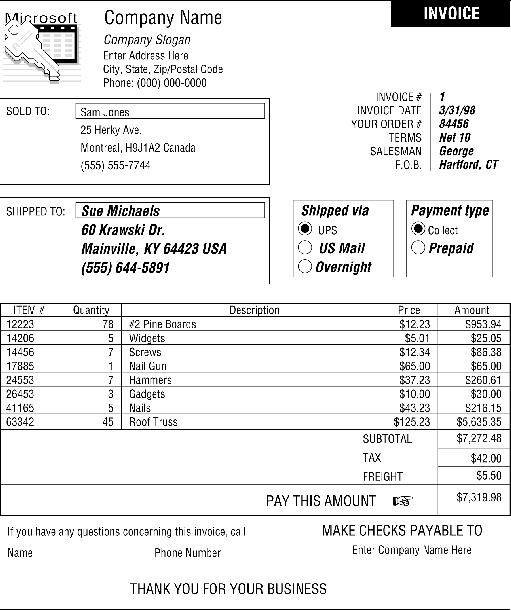
| Comparison between Observation and Document Analysis | ||
|---|---|---|
| Characteristics | Interviews | Questionnaires |
| Information Richness | High (many channel) | Medium to low |
| Time Required | Can be extensive | Low or moderate |
| Expense | Can be high | Low to Moderate |
| Confidentiality | Observee is known to interviewer | Depends on nature of document; does not change simply by being read |
| Chance of Follow-up & Probing | Good: probing and clarification questions can be asked by either interviewer or interviewee | Limited: probing and follow-up done after original data collection |
| Involvement of Subject | Interviewees may or may not be involved and committed depending on whether they know if they being observed | None, no clear commitment |
| Potential Audience | Limited numbers and limited time (snapshot) of each | Potentially basis by which documents were kept or because document not created for this purpose |
Modern Methods for Determining Requirements:
 Radical Methods for Determining Requirements: