

�
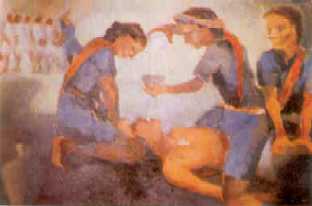
break his hunger strike
|
|
|
|
|
|
|
|
|
|
|
|
|
|
|
|
|
|
|
|
|
|
|
|
|
|
|
|
|
|
|
|
|
|
|
|
|
|
|
|
|
|
|
|
|
|
|
|
|
|
|
|
|
|
|
| Coin on Cellular Jail | ||||||||||||||||||||||||||||||||||||||||||||||||||||||
|
||||||||||||||||||||||||||||||||||||||||||||||||||||||
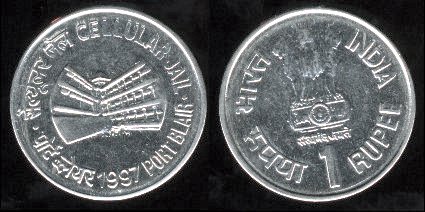
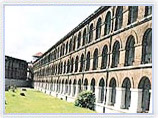
| A special one rupee coin was issued on 'Cellular Jail', which has a very special significance on India's Freedom movement. The British constructed Cellular Jail in 1905 in Andaman islands to keep Freedom Fighters. The place was selected because nearest mainland is 1100 kms away and no prisoner could have escaped from here. It was called KaalaPaani (Black Water) by freedom fighters. | ||||||||||||||||||||||||||||||||||||||||||||||||||||||
| A small request | ||||||||||||||||||||||||||||||||||||||||||||||||||||||
| We youngsters take many things like freedom, equality, secularism, and liberty as granted. We dont appreciate how many generations toiled for us to obtain these simple things. The conditions in the Cellular Jail were far too worse then Guantaonmao Bay or other torture camps seen by the civilized society. Inspite of this, the prisoners adopted the simple principle of non voilence and hunger strikes to humble the British forces. These principles originally propogated by Ghandhiji are as relevent today as they were 100 years ago. I request you to please read this page. | ||||||||||||||||||||||||||||||||||||||||||||||||||||||
| Andaman Islands to keep Political Prisoners: | ||||||||||||||||||||||||||||||||||||||||||||||||||||||
|
On 10th May 1857, the first clarion call to rise against the British rule was given. To totally stomp out the uprising, the British sent thousands to the gallows and even hung them up from trees, tied them to cannons and blew them up. Those, who survived, were exiled for life to the Andamans so that their countrymen would forget them forever. For the first time on 10th March 1858, Supdt. J.B. Walker arrived with a batch of 200 freedom fighters. The second batch of 733 freedom fighter prisoners arrived in April 1868 from Karachi. They had been sentenced for life imprisonment. After this however it is not known how many thousands of freedom fighters were sent to the Andamans from the harbours of Bombay, Kolkata and Madras. Their numbers, names and addresses are not known In almost perennial rainy weather, with heavy bar fetters and shackles on their feet, surrounded by snakes, leeches and scorpions the freedom fighters were expected, in deep primeval forests to clear a path for roads through marshy land. | |||||||||||||||||||||||||||||||||||||||||||||||||||||
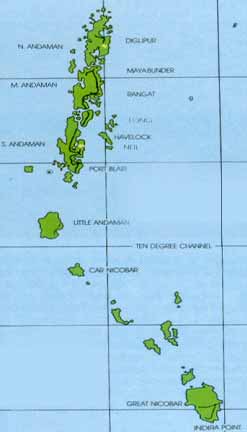
| Andaman Islands in Indian Ocean | ||||||||||||||||||||||||||||||||||||||||||||||||||||||
| They were punished and faced hard labour if they slowed down. In March 1868, 238 prisoners tried to escape. By April they were all caught. One committed suicide and of the remainder Supdt. Walker ordered 87 to be hanged.The construction of Cellular Jail was was completed in 1906 with 698 cells isolated cells� in seven wings, spreading out like a seven-petal flower. This is why it is called the Cellular Jail. | ||||||||||||||||||||||||||||||||||||||||||||||||||||||
| Inhuman treatment in Jail (1932) | ||||||||||||||||||||||||||||||||||||||||||||||||||||||
|
||||||||||||||||||||||||||||||||||||||||||||||||||||||
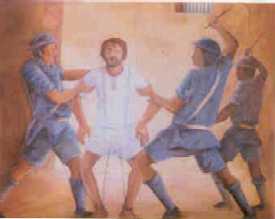
| The food that was given was not fit for human consumption. There were worms in the bread and wild grass was boiled and served in lieu of vegetables. Rain drinking water was full of insects and worms. The 13' X 6' cells were dark and damp and dingy thickly coated with moss. There were no toilets. There were no lights, no reading material. Prisoners were not allowed to meet with each other. The guards carried out physical torture and flogging. Special mechanical devices were produced by the British for torture. | ||||||||||||||||||||||||||||||||||||||||||||||||||||||
| A painting depicting beating of prisoners at Cellular Jail | ||||||||||||||||||||||||||||||||||||||||||||||||||||||
|
||||||||||||||||||||||||||||||||||||||||||||||||||||||
| Flogging | ||||||||||||||||||||||||||||||||||||||||||||||||||||||
| The first mass hunger strike: | ||||||||||||||||||||||||||||||||||||||||||||||||||||||
| The Freedom Fighters decided to adopt the principle of 'Non Voilence' to protest against the atrocities of British. On 12 May 1933, freedom fighters started a hunger strike unto death �against these atrocities. Mahavir Singh, Mohan Kishore Namo Das and Mohit Moitra died during this hunger strike. Their bodies were quietly ferreted away and thrown out to sea. Punjab's jail inspector Barker was called to break the hunger strike. He issued orders to stop the issuing of drinking water. The freedom fighters were resolute. There was a huge outcry throughout mainland India because of this hunger strike. After 46 days the British Raj had to bow and the demands of the freedom fighters had to be accepted. The hunger strike ended on 26 June 1933. � |
||||||||||||||||||||||||||||||||||||||||||||||||||||||
| Results of the hunger strike | ||||||||||||||||||||||||||||||||||||||||||||||||||||||
| After the death of three colleagues the facilities won from jail authorities proved beneficial for the future. There was light in the cells. The prisoners started getting newspapers, books and periodicals. They were allowed to meet. The facility to read individually or on a collective basis was allowed. The opportunity to play sports and organise cultural events was given. The jail work was reduced to minimal. Above all there was respect for the freedom fighters from the prison officials and a marked improvement in their behaviour. A new environment was created as the freedom fighters met to discuss and read. A thirst for books and knowledge began. There were students, doctors, lawyers, peasants, and workers all together. They discussed politics, economics, history and philosophy. | ||||||||||||||||||||||||||||||||||||||||||||||||||||||
|
||||||||||||||||||||||||||||||||||||||||||||||||||||||
| A painting showing prisoner being fed forcibly to break his hunger strike |
||||||||||||||||||||||||||||||||||||||||||||||||||||||
| There were classes in biology and physiology given by the doctors amongst them. Others gave classes in historical and dialectical materialism. Knowledge, experience and books were hungrily shared. A jail library was started. A veritable university of freedom fighters had begun where revolutionaries were learning about Marxist and socialist ideas and how to disseminate these amongst the people whose freedom they were fighting for. A Communist consolidation was formed of 39 prisoners on 26 April 1935. This number later swelled to 200. The freedom fighters started feeling that the atmosphere for a world war was gathering and that before the war starts we should get back to our country to be with our people and take active part in the upheaval that was imminent. A petition was sent to the Viceroy on 9 July 1937 by the freedom fighters that all political prisoners should be repatriated to the mainland and released An ultimatum was given that if these demands were not met a hunger strike would begin. | ||||||||||||||||||||||||||||||||||||||||||||||||||||||
| The second hunger strike | ||||||||||||||||||||||||||||||||||||||||||||||||||||||
|
The second hunger strike for the repatriation of freedom fighters began on 25 July 1937A country wide movement on the mainland in support of the demands of the Andaman freedom fighters began as other political prisoners in other jails on the mainland also started hunger strikes in support. There was a mass demonstration of working people, intellectuals and students. This upsurge clearly showed that their people on the mainland did not forget them. After four weeks telegrams from Bengal's chief minister, leaders of the nation Jawaharlal Nehru, Subhash Chandra Bose, Sharad Chandra Bose, RabindraNathTagore etc poured in imploring the freedom fighters to end their hunger strike. | |||||||||||||||||||||||||||||||||||||||||||||||||||||
| Solitary Cells at Cellular Jail | ||||||||||||||||||||||||||||||||||||||||||||||||||||||
| On 28 August 1937, Gandhiji, poet RabindraNathTagore and the Congress Working Committee sent a telegram "the whole nation appeals to you to end the hunger strike and assures you to take up your demands and to see them fulfilled" After a lot of deliberation and discussion this historic 36-day hunger strike of 200 revolutionary freedom fighters ended. The process of repatriation started in September 1937. There were a total of 385 freedom fighters in jail at the time. 339 from Bengal, 19 from Bihar, 11 from Uttar Pradesh, 5 from Assam, 3 from Punjab, 2 from Delhi and 2 from Madras. | ||||||||||||||||||||||||||||||||||||||||||||||||||||||
| Netaji in Andamans | ||||||||||||||||||||||||||||||||||||||||||||||||||||||
|
||||||||||||||||||||||||||||||||||||||||||||||||||||||
| Netaji'sAzad Hind Fauz first of all gave independence to Port Blair, Andaman. Netaji visited the AndamanIsland and hoisted the tricolour flag on 30 December 1943. He had declared that the very first bastion to be relieved of the British yolk was Andamans, the Indian Bastille revolutionary freedom fighters were kept, very much like the Bastille in Paris during the French Revolution. The British reoccupied the Andaman and Nicobar Islands and abolished the Penal Settlement in 1945 | ||||||||||||||||||||||||||||||||||||||||||||||||||||||
| Main Page | ||||||||||||||||||||||||||||||||||||||||||||||||||||||