It is also known as Banking Capital of India, Detroit of Asia, Auto Hub of India, Health Capital of India.
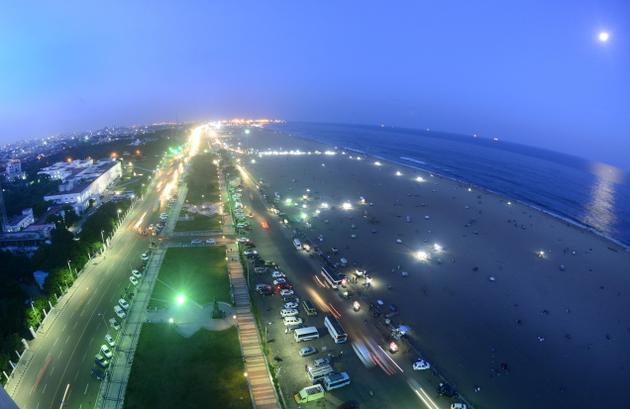
Marina
Marina Beach is a natural urban beach in the city of Chennai, India, along the Bay of Bengal, part of the Indian Ocean.The beach runs from near Fort St. George in the north to Besant Nagar in the south, a distance of 13 km (8.1 mi), making it the longest natural urban beach in the country and the world's second longest. The Marina is primarily sandy, unlike the short, rocky formations that make up the Juhu Beach in Mumbai. The average width of the beach is 300 m (980 ft) and the width at the widest stretch is 437 m (1,434 ft). Bathing and swimming at the Marina Beach are legally prohibited because of the dangers, as the undercurrent is very turbulent. It is the most crowded beach in the country and attracts about 30,000 visitors a day during weekdays and 50,000 visitors a day during the weekends and on holidays. During summer months, about 15,000 to 20,000 people visit the beach daily.
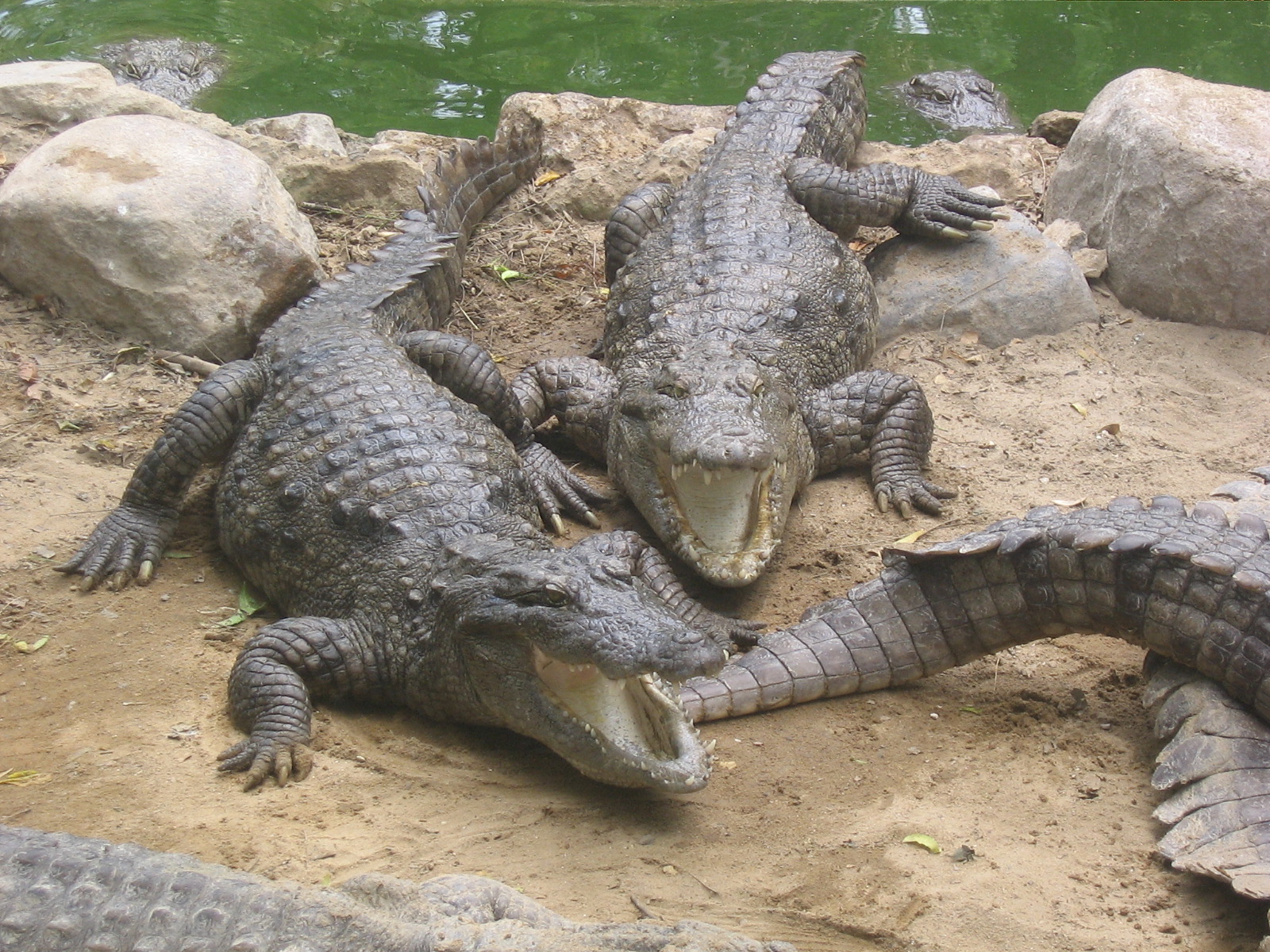
Crocodile park
Crocodile Park, located at about 30 km from Chennai on the East Coast Road is one of the popular tourist destinations thronged by domestic and international travellers alike. Crocodile Park is the home of 2500 specimens. The crocodile bank has a great collection of crocodiles from Africa, America and Australia. 14 species of crocodiles out of 23 species of crocodiles living in the world are available in the park. The crocodiles in the park are some of the most critically endangered species listed by IUCN.
You may also get a chance to see the crocodiles and snakes being fed which could be a terrifying and exciting experience. There is also a venom extraction center in the crocodile bank. Don’t be surprised when you notice the different entry fees for Indian and Foreign nationals.
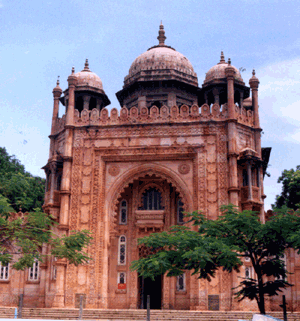
Chennai Government museum
The proposal for a museum in Madras was mooted by the Madras Literary Society in 1846 AD and Sir Henry Pottinger, the then Governor, obtained the sanction of the Court of Directors of the East India Company in London.
In January 1851 AD, Dr. Edward Balfour, Medical Officer of the Governor's Body guard was appointed as the First Officer in charge of the Government Museum. The notification in the Fort St. George Gazetteer dated 29th Aprtil 1851 AD contained the first announcement regarding the opening of the Madras Government Museum. The Government Museum otherwise called as the Central Museum was started in the College of Fort St. George, in the premises of the present office of the Director of Public Instruction, on College Road. The college had been established in 1812 AD and made a significant contribution to the development of South Indian Languages. The Museum was started in the first floor of the college with the 1100 geological specimens of the Madras Literary Society. It steadily developed and expanded under the guidance and supervision of a succession of directors.
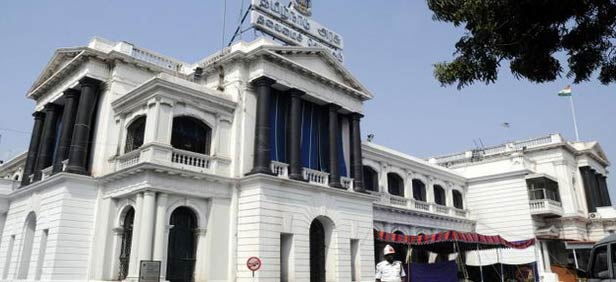
Fort St George
Fort St George (or historically, White Town) is the name of the first English (later British) fortress in India, founded in 1644 at the coastal city of Madras, the modern city of Chennai. The construction of the fort provided the impetus for further settlements and trading activity, in what was originally an uninhabited land. Thus, it is a feasible contention to say that the city evolved around the fortress. The fort currently houses the Tamil Nadu legislative assembly and other official buildings. The fort is one of the 163 notified areas (megalithic sites) in the state of Tamil Nadu
Arignar Anna Zoological park(vandalur zoo)
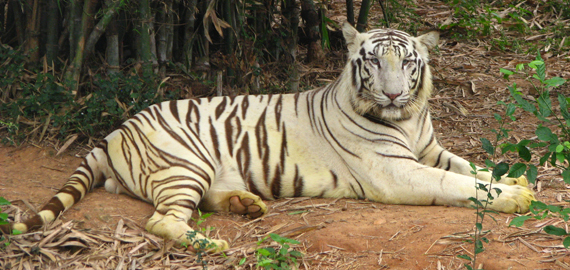
Arignar Anna Zoological Park (abbreviated AAZP), also known as the Vandalur Zoo, is a zoological garden located in Vandalur, a suburb in the southwestern part of Chennai, India, about 31 kilometres (19 mi) from the city centre and 15 kilometres (9.3 mi) from Chennai Airport. Founded in 1855, the park was the first public zoo in India. It is affiliated with the Central Zoo Authority of India. Spread over an area of 602 hectares (1,490 acres), including a 92.45-hectare (228.4-acre) rescue and rehabilitation centre, the park is the largest zoological garden in India. The zoo houses 2,553 species of flora and fauna across 1,265 acres (512 ha). As of 2012 the park houses around 1,500 wild species, including 46 endangered species, in its 160 enclosures. As of 2010, there were about 47 species of mammals, 63 species of birds, 31 species of reptiles, 5 species of amphibians, 25 species of fishes, and 10 species of insects in the park. The park, with an objective to be a repository of the state's fauna, is credited with being the second wildlife sanctuary in Tamil Nadu after Mudumalai National Park.
Go to top