
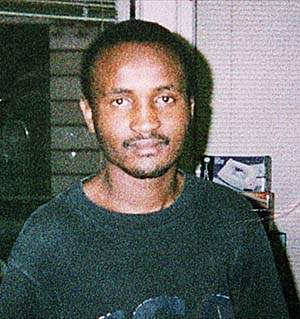
Was the response carried out by the officers appropriate? In the milliseconds that passed between Diallo reaching into his back pocket and the chaos of the gunfire that ensued, those officers were forced to make a snap decision under high-stress conditions. Sadly, we�ve learned before that such snap judgments are subject to bias, and this is a tragic example of snap decisions failing. Perhaps the officers would have responded the same way had the Diallo been a white man, but unfortunately, social psychologists know from several studies that compared to white men, African American men are perceived as being more threatening when holding a weapon, and as being more likely to have a weapon. In fact, there is a stereotype that African American men are more violent in general than white men. Understanding the events that unfolded in the early morning of Diallo�s murder is crucial in preventing a similar event from happening again. A thorough understanding could pave the way for better training for police officers in similar situations, as well as provide the public with ways to decrease their own implicit biases in judgment. Please click here to participate in a Harvard study of implicit biases.