
The Governor is the chief executive charged with the general administration of the state. In this capacity, the Governor sees that laws are faithfully executed, acts as commander in chief of the Mississippi National Guard, and appoints administrative heads and other officials as prescribed by law.
The Governor is responsible for the presentation of a balanced budget to the Legislature and signs or vetoes bills passed by the Legislature. The Governor may call extraordinary sessions of the Legislature and may issue pardons, executive orders and extraditions of fugitives from other states.
The judicial branch serves as a check to the powers of the executive and legislative branches through constitutional power of judicial review. The courts rule on legality of executive policies and the constitutionality of laws passed by the Legislature.
The judicial power of the state is vested in the Supreme Court and other courts such as the Court of Appeals, the Chancery and Circuit Courts and the County Courts.

The Legislature is the lawmaking body of state government. The Legislature is comprised of teh Senate and the House of Representatives. There are 52 Senators and 122 Representatives.
Senators serve four-year terms. Senators must be at least twenty-five years old, residents of the state for four years, and residents of their districts for two years. Representatives also serve four-year terms and must be at least twenty-one years old. Representatives must e residents of the state for four years and of their counties for two years.
The presiding officer of the senate is the Lieutenant Governor. The presiding officer of the House of Representatives is the Speaker of the House.
During each session, the Legislature can be expected to send more thatn 500 bills to teh Governor and be signed. The Legislature meets for 90 days each year and for 125 days every four years.
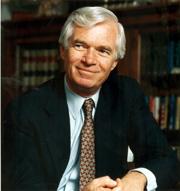

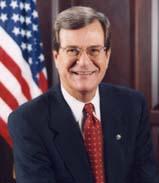
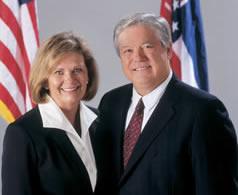
Governor Haley Barbour
Lt. Governor Amy Tuck
Secretary of State Eric Clark
Attorney General Jim Hood
State Auditor Phil Bryant
Treasurer Tate Reeves
Commissioner of Insurance George Dale
Commissioner of Agriculture and Commerce Lester Spell
