Gade.Karthik Pavan
The good news from the Indian aviation sector just keeps rolling. Low cost flights, airport modernization (since put in limbo, thanks to the missionary zeal of the government), and now, the mega-merger deal to beat all deals.
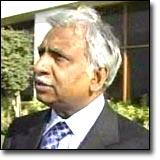
In a deal that will reshape the outlines of India's aviation space, the country's largest domestic carrier, the Naresh Goyal-promoted Jet Airways bought 100 per cent equity in Subrata Roy's Air Sahara for Rs 2300 crore.
So huge is the size of the merger that the government stepped in with a caveat that the deal will go through subject to clearance by the Monopolies and Restrictive Trade Practices Commission (MRTPC).
International skies
Jet is believed to have acquired Air Sahara to increase its market share and control domestic airfares.
A bigger Jet Airways with a market share of 45-50 per cent will give the airline an incontestable lead in the domestic market. The deal gives the airline much higher economies of scale.
Immediate benefits include the rights to 22 parking bays at airports around the country, and lounges for business class passengers at the metro airports.
The deal will gift Jet a new set of passengers as well. A captive Indian audience is critical in growing the international business.
Access to more passengers will make Jet more competitive when it comes to taking on giants in the international skies.
Currently, Jet’s presence in the international circuit is limited to destinations like London, Singapore, Kuala Lumpur, Colombo and Kathmandu.
The airline operates 300 flights to 43 destinations. As if that weren't enough, the number is expected to rise after the merger.
Stiff competition
Experts are divided on the deal's impact on the consumer. While some contend that the deal opens the gates for better services and fares, others say the deal will make Jet, infamous for generally being the last to cut fares, bolder in the pricing of its fares.
The long-term prospects are looking bright though. It heralds more pronounced market segmentation between legacy and low-cost carriers. That will be beneficial for consumers over time.
Travel agents however are a worried lot these days. The merged entity will leverage its size to improve yields and that could reduce travel agency commissions. Add to that the increasing incidence of online booking, and you have a fair idea why travel agents might be the biggest losers after this deal.
Despite the gung ho outlook for Jet, the airlines cannot afford to be complacent about its largesse.
New airlines such as the Vijay Mallya-promoted Kingfisher and the Jeh Wadia-owned Go Air are likely to reprise business practices to give Jet stiff competition in the coming months. Indian, formerly Indian Airlines, is also acquiring a brand new fleet for its operations.
Note of caution
A question worth pondering at this juncture is whether the Indian aviation infrastructure is poised to handle the increasing demands on it that accompany such mega-deals.
Mergers and acquisitions in this space are likely to grow. Already talk of an association of low-cost airlines is gaining momentum.
Our airports are stretched to the limit when it comes to landing slots. Flight delays and cancellations are not an uncommon occurrence. The government must eschew half-hearted attempts at reform and modernization if it wants the aviation sector to seriously take off.
That however does not take from the industry the right to set its sights on the big picture.
As the big daddies slug it out in the skies, the customer can sit back and smile at what promises to be another exciting chapter in the annals of Indian aviation.