 |
 |
 |
|
|
|
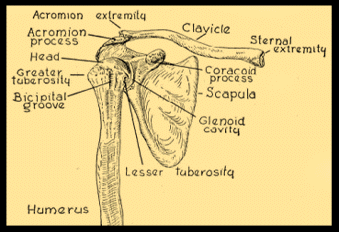 |
Acromioclavicular Injuries Also known as shoulder separation, acromioclavicular injuries are known by the patient's pain reaction when the AC joint is palpated. A fall on the shoulder with the arm tucked to the side is a good indicator of AC trauma. |
|||
Symptoms Possibly brought upon by falling on the tip of the shoulder, or the acromion process. There are four types. Type III begins to show an obvious deformity.
| ||||
| Test
Check for deformities. Gentle pressure over the AC joint will elicit pain. The patient will have difficulty lifting his/her arm.
| ||||
| Diagnostic Procedure
Anterior and Posterior (AP) radiographs on both shoulders should point out AC injuries with Type II or higher.
| ||||
| Treatment
A sling is indicated for both Type I and Type II until the pain diminishes. Analgesics and ice can relieve pain for two days. Severe pain may be treated with a corticosteroid injection, but use caution due to long-term adverse reactions. Other, more severe, types of AC injuries may cause the examiner to consider treatment options depeding on patient's age and daily activity. However, the most extreme types call for definite surgical repair.
| ||||
| >>> on to Bicep Tendon Ruptures
| ||||
| list � further reading � home � email me � |
||||