
THE SWING RIOTS
Mystery surrounds the nominal leader of the riots, Captain Swing, whose name is appended to several of the threatening letters sent to farmers, magistrates, parsons and others. The "Swing letters" were first mentioned by The Times on the 21 October. Captain Swing has never been identified, and many people believe that he never existed, having been created by the workers as a fictional figurehead who could function as a safe target for their opponents.
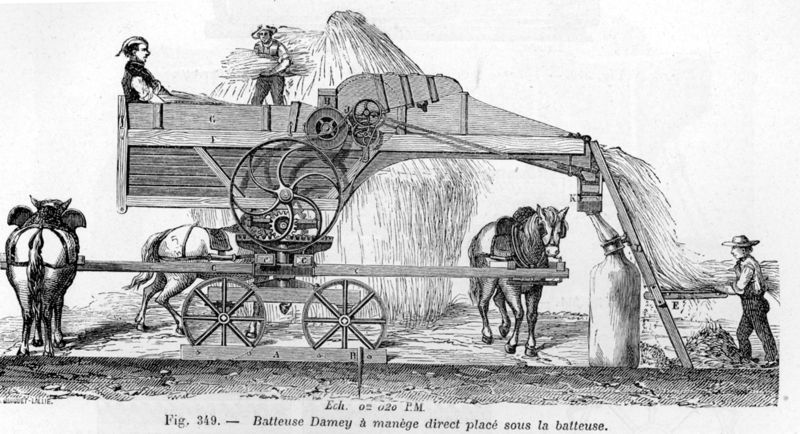
The Swing Riots had many immediate causes, but were overwhelmingly the result of the progressive impoverishment and dispossession of the English agricultural workforce over the previous fifty years, leading up to 1830. The anger of the rioters was directed at three targets that were seen as the prime source of their misery: The Tithe system, the Poor law guardians, and the rich tenant farmers who had been progressively lowering wages while introducing agricultural machinery.
Page Updates : 02/06/08 - 18:27