
Biełastok (pol. Białystok)
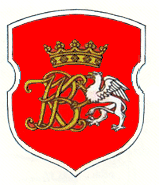
arms created in 1759. The griffin is derived from the Branicki
family arms, and the "KB" under a ducal crown relates to Klemens
Branicki who founded the town on an earlier settlement in 1759 (International
Civic Arms)
|
|
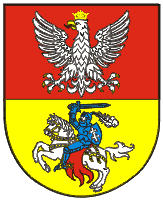
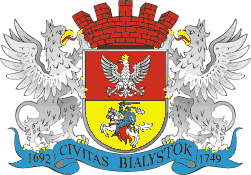
the current arms of Biełastok is the symbol of the Padlachia region - a region that was always fought about between Poland and Litvania (we can even see it on the name of the region - Pad-lachia: "pad"="under", "lachi" = colloquial for "the Poles" - "the region occupied by the Poles"). So, we see here the Polish eagle dominating over the Litvan Pahonia. Nowadays there are about 300 000 Litvans living in Podlachia, they build up the biggest ethnic minority in Poland |
|
|
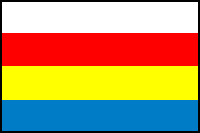
the flag of the Padlachia province of Poland |
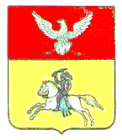 |
the Russian-given arms, 1809. According to common Russian occupational heraldic policy in Litvania, the cities were given the arms of former provinces they belonged too - so, Biełastok got the arms of Padlachia as its civic arms. For some unclear reasons the modern Polish administration didn't restore the original Branicki arms of Biełastok |
Bransk (rus. Briansk)

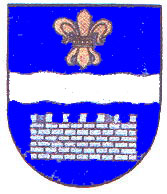
approved on August 16, 1781
|
|
the German arms |
|
|
the Russian arms |

Smalensk (rus. Smolensk)
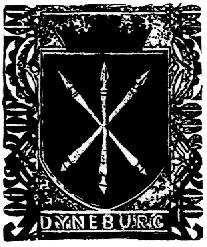
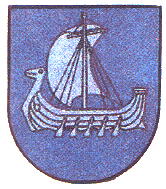
the actual Russian arms, 1780
arms
of 1570
|
|
Russian-given arms |
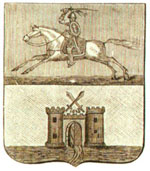
Vieliž (rus. Velizh)
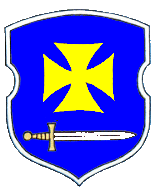
approved on January 20, 1585
|
|
the current Russian-given arms |
Vilnia (sam. Vilnius)
|
|
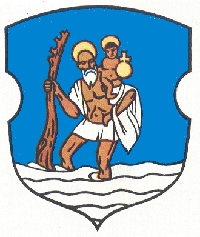
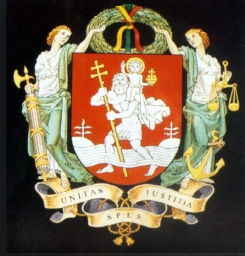
the actual Lithuanian Vilnius arms |
|
|
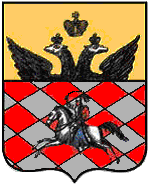
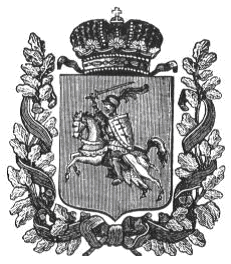
arms of the Russian Vilnia province, 19th century |
� Bartolomaeus Horbač Anno Domini 2003