 |
 |
 |
 |
|
|
|
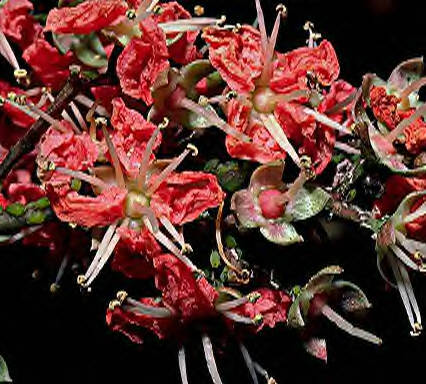 |
| Henna History Henna is made from a plant called "Lawsonia Intermis". Also know as: Henni, Mehndi, Mendee, Al-khanna, Al-Henn, Jamaican Mignonette, Egyptian Privet and Reseda. Henna is also referred to as "Camphire" in the bible. Henna is used in :India, Afghanistan, Marocco, Egypt and Africa. Henna is used to bring good luck, protection and ward off evil spirits. Henna has been used in pregnancy, war, mummification process, birth, death and weddings. Also used to dye hair, horses tails, horse manes, hoofs, to mark the livestock. Henna has also been used in the aid in medical treatment such as: headaches, hair loss, brittle nails, acne, eczema, blisters, burns, ulcers, scabies, small pox, pluerisy and more. Henna is mixed with natural ingredients: Lemon juice and eucalyptus. Henna is mostly used by the Indian Culture for wars, weddings and different events. The entire plant, flowers, stems and leaves are crushed and mixed with eucalyptus, lemon juice and water. Did you know? Henna is the oldest safest cosmetic ever used! Theres evidence it has been used as far back as 7000 BCE in Turkey. And as early as 8000 BCE in Isreal in the Ottoman Empire. |
| Henna and celebrities that have adorned Henna Madonna, Sting, Jasmine Bleth, Mira Sorvino, Prince, Demi Moore, Drew Barrymore, Liv Tyler, Darryl Hannah, Angela Bassett, Gwen Stefani, Naomi Campbel and Brad Pitt. |
| Black Henna If you have been to fairs or festivals you might of seen Henna. Please beware if the henna is black, it has been most likely tainted with hair dye to increase the darkness of the design. Or achieve a black design. Warning! The henna is no longer natural. Not to mention how many have ended up in the ER with bad reactions from the dye. Natural Henna is an army green in color. And it achieves a dark maroon or brown stain at its darkest. Below is a link to learn more about Black Henna. |
| Henna after care Several factors contribute to the achieveing and preserving the darkest Henna design possible. Do not was the area for 24 hours. But warm water is ok Do not let design come in contact soap or chemicals. Do not exfoiliate the area where the design is. Do not swim. Oceans, lakes or pools. Do not tan the area of design. Natural sun or tanning bed. |
|
|
|
|
| The Process The procedure: Henna is applied to the top layer of the skin with a cone, paint brush or bottle with a fine tip. Heat is then applied to increase the darkness. The design matures (darkens) in 12-24 hours. The design will last 1-3 weeks depending on the location of the design and the client. The hannatannic acid has a dye reation to the skin and each individual is different. Temporary tattoos offer variety, saftey and pain-free application! Iis a great permanant tattoo alternative. |