
(Kudan Hanshi)
|
|
|
|
|
|
|
|
|
|
|
|
|
|
|
|
|
|
|
|
|
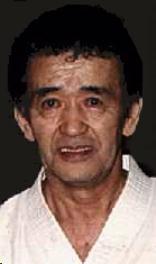
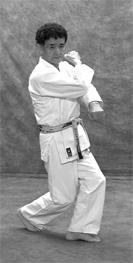
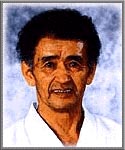
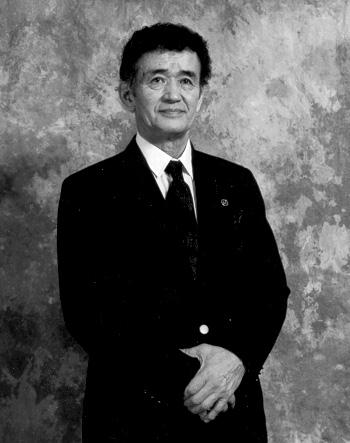
| Sensei Masaru Shintani (Kudan Hanshi) |
||||||||||||||||||||
| Sensei Masaru Shintani was born on February 3, 1927 in Vancouver, British-Columbia, Canada. His parents were japanese and had immigrated in this country. Sensei's mother, Tsuruye Shintani, was the daughter of a Samurai family, the clan of Matsumoto. As a kid, Sensei Shintani trained in many different japanese martial arts; sandan (3rd degree) in Judo, shodan (1st degree) in Aikido and shodan (1st degree) in Kendo. During World War II, Sensei Shintani and his family were put in an east coast Japanese-Canadian concentration camp. This is where Sensei Shintani met the man who, even early in his life, was going to be of a great influence on Sensei Shintani's karate. The man's name was Akira Kitegawa and he trained Sensei in a karate style similar to Shorin-Ryu (Shuri-te) under Sokun Matsumura and Anki Itosu. Sensei Kitegawa was an instructor who taught a very brutal form of karate. After many years of training by Sensei Kitegawa, Sensei Shintani was graded to Rokudan (6th degree) in Shorin-Ryu karate style. | ||||||||||||||||||||
|
||||||||||||||||||||
|
||||||||||||||||||||
| In the 1950's, Sensei Shintani intensively competed and eventually won three All Japan Karate-do Championships, this is where he met for the first time Sensei Hironori Otsuka. Sensei Otsuka saw Sensei Shintani's skill, perseverance and humility that is so vital. After the death of Sensei Kitegawa, Sensei Shintani began to train with Sensei Otsuka, and then became one of his best students and both developped a deep friendship that would last until Sensei Otsuka's death. In 1968, Sensei Otsuka nominated Sensei Masaru Shintani head of all Wado Karate-do in North America and gave him the title of Supreme instructor. In 1979, Sensei Otsuka gave Sensei Shintani the rank of hachidan (8th degree) in Wado style and presented him with a Kudan (9th degree) certificate for future use. Sensei Otsuka gave Sensei Shintani one of his belt that Sensei wore proudly. | ||||||||||||||||||||
| Through his whole life, Sensei Shintani has lived Sensei Otsuka's teachings not only on the dojo floor but in his everyday life too. As a matter of fact, he said there can be no separation. | ||||||||||||||||||||
| "If you sincerely attempt to practice the philosophy and attitudes of karate in class, they will eventually become part of your own nature and follow you wherever you go." | ||||||||||||||||||||
| According to Sensei, | ||||||||||||||||||||
| "True karate can transcend national boundaries. A Canadian need not leave Canada to acheive excellence in the martial arts. Personnal drive or determination and perseverance are what make good Karateka out of students." | ||||||||||||||||||||
|
||||||||||||||||||||
|
||||||||||||||||||||
| Many other organizations fonctionned under Sensei Shintani, of which the "Wado-Kai Associated of Canada" and many others. These organizations and the SWKKF therefore have spread Sensei Shintani's teaching threw mostly Canada and the United States, but not only have they spread his teachings but have made Sensei Masaru Shintani's the most well known and respected name in North America. In november 1995, the "World Union Martial Art Federation", which englobes over thirdy organizations of different styles, nominated Sensei Shintani as the president. | ||||||||||||||||||||
| Sensei Masaru Shintani died of a heart attack on May 7, 2000 in Kapuskasing, Ontario just before he was suppose to give a karate clinic in Hearst, ON. | ||||||||||||||||||||
| Back | Next Page | Home | ||||||||||||||||||