What
about my hunting pack?
By:
Ryan Kohatsu
This issue was brought up to me by a viewer of the website in an email asking, “What kind of hunting pack do I use?” and “What works best?”
Most of Hawaii hunters would probably agree that many of the great hunting spots are pretty much inaccessible by vehicle and packing everything you need in and out of the field, comfortably, is great after walking long hours over volcanic and unforgiving terrain.
Since I started hunting in 1997, I’ve changed around through many packs and finally ended up with the pack I currently use. Many places in Hawaii requires that we pack out the whole carcass for inspection at check out sites and since we are probably not driving an ATV right up to the downed game, like we may see on TV, means we’ll have to carry quite a load out. Anyone that’s carried their billy, buck, or ram out over lava rocks will attest that it’s not exactly easy, but fortunately there’s some relief in having the right pack.
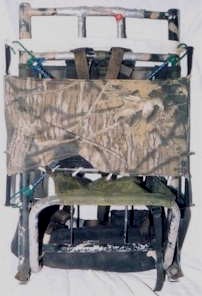
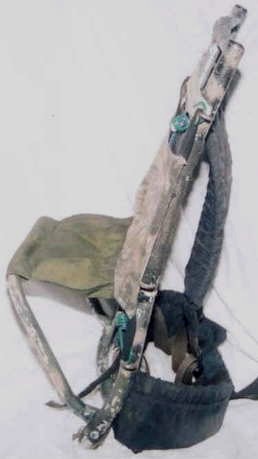
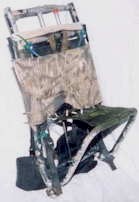
Before I go on further here are some pictures of my current pack. Keep in mind there are many ideas behind a good pack, but for this post I will only be talking of my pack.
My average hunting day would probably consist of mostly hiking to the area, stalking with whatever it takes, and then hiking out in the late afternoons or darkness. Now my hunting day is not the normal day for most hunters in Hawaii, but if you’re serious about getting what everybody else isn’t getting, then you’re going to have to do what everybody else isn’t doing.
This pack is a modified pack frame that I think is called the “Alaskan Pack Frame” in many mainland outdoor magazines and one handed to me by my father. It has been cut down at the top to decrease the height of the pack, so that it’s a little move maneuverable in the bush and more compatible to bowhunting purposes. The outermost side rails have screwed in hooks so that I can use parachute/nylon cord to strap down anything I want to the frame. This includes strapping down whole rams and billies. You’ll also notice there’s a shelf on the frame as well. This shelf is important to holding up heavier weights while tying it down to the hooks. For example, I would put a whole ram or billy body down on the shelf and then with the cord and hooks, tie it down to the frame.
As for my gear, there’s space underneath the shelf where I strap down a small hip pack. You’ll also notice there are bungie cords there as well, which I use to hold down a large water bottle for hikes requiring lots of water. If I need even more gear, I could use more hip packs or just strap it down to the pack anywhere I want to.
Now on the most enjoyable asset of this pack. If you look closely at the pictures, there is large padded black belt that you could close around your waist. This belt is important if you want to carry any type of heavy load for long hours. How it works is; after you have loaded up the pack and get it on your back all you have to do is lift the pack up your back a little bit and close this belt securely around your waist. What it does is distribute weight with your hips and shoulders/back versus just you shoulders/back alone. The result is you’ll feel a whole lot lighter on the shoulders and back and it’ll save the hunter a lot of back pain later. Granted you may still have back pain after carrying a large Mouflon out for a couple of miles, but here you actually made it versus still a couple miles back wondering what you’re going to do.
I’ve been using this pack with a lot of success for about 4 years now, but that means it took about 3 years for me to figure out what pack I wanted, so I hope this post will cut down some time for you when you go out selecting a better pack for your better hunting.