 |
|
|
|
|
|
|
|
|
|
|
|
|
|
|
|
|
|
|
|
|
|
|
|
|
|
|
|
|
|
|
|
|
|
|
|
|
|
|
|
|
|
Howard University Beltsville Campus Research Group |
|
|
Home |
|
|
|
|
|
 |
|
|
|
|
|
|
 |
|
|
|
|
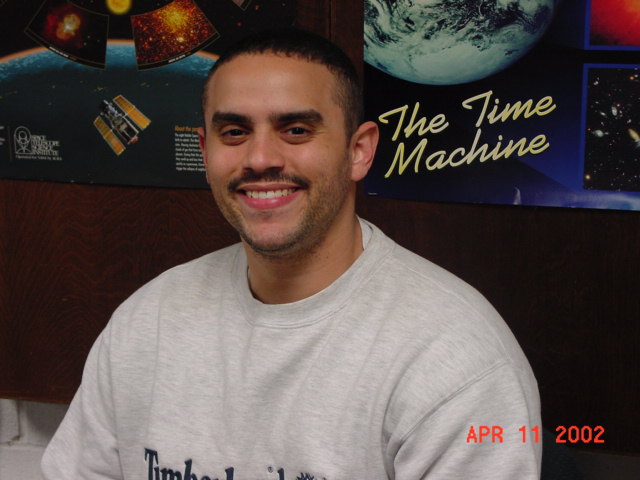
Currently, I am pursuing a Ph.D. in the Atmospheric Sciences Program established at Howard University in Washington, DC. I hope to complete my work soon (fingers are crossed for May 2004). My research focus is on the "Sensitivity Verification for a Non-coaxial LIDAR Configuration for the Analysis of Ozone". I have completed the qual's and have been at this site for almost four years conducting research. I have been funded by the NASA/Harriett G. Jenkins Fellowship Program. The abstract of my dissertation study is listed below. |
|
|
|
|
|
 |
|
|
|
|
|
|
|
 |
|
|
|
|
|
|
|
|
|
|
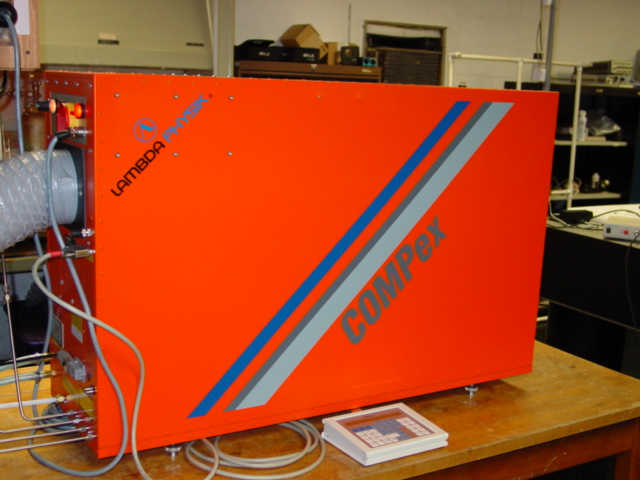
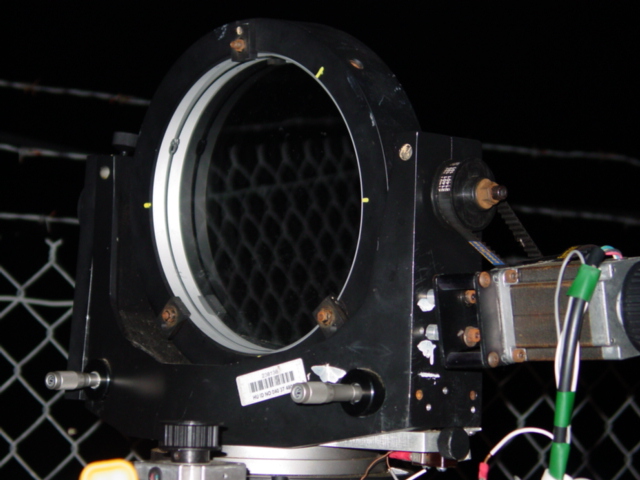
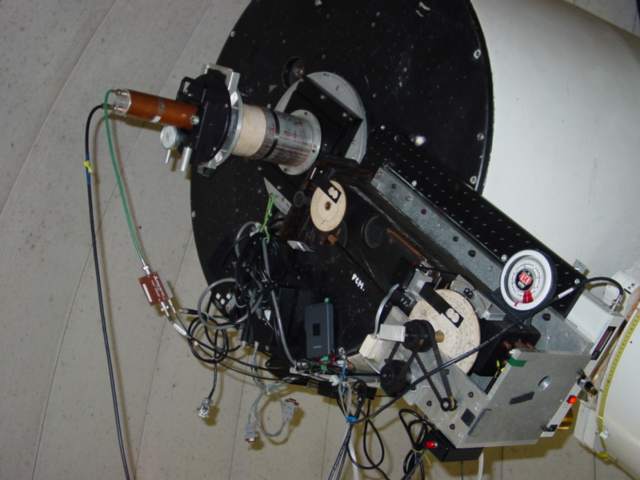
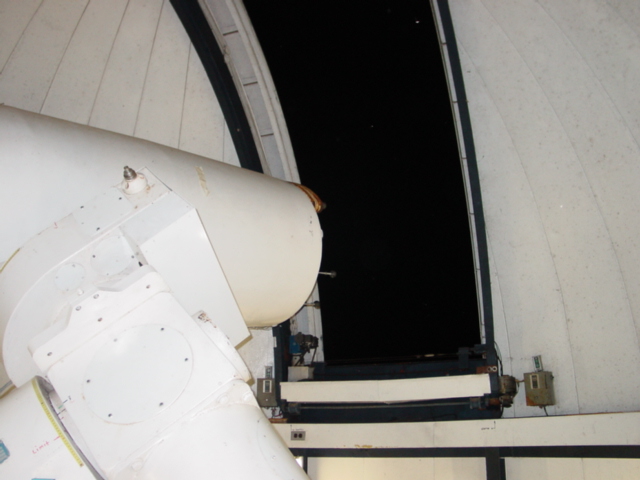
A Krypton Fluoride (KrF) laser emitting 248 nm has been used in conjunction with a 30" Cassegrain telescope and detector electronics to remotely determine the ozone concentration in the lower troposphere via Raman scattering from atmospheric nitrogen and oxygen molecules. The configuration makes use of beam steering optics which guides the light from the laser to intercept the field-of-view of the telescope thus creating a well-defined region of interaction. This non-coaxial technique has been coined Selected Overlap Lidar Experiment (SOLEX). This system is referred to as the SOLEX lidar system. In Beltsville, Maryland where the system is housed, there are distinct advantages with respect to location. The SOLEX system is nested between a large urban area and an agricultural site, affording the opportunity to test the sensitivity of the system to differing ozone regimes. This telescope pointing flexibility allows the system to take advantage of the varying regimes. This dissertation will provide for validation of this system by verifying the instrument sensitivity to measuring changes in ozone concentration. This will be accomplished by measuring the ozone concentration differences between polluted air and relatively clean air. A model of the expected temporal return based on the range of the interaction region from the base of the telescope will be developed to account for the non-constant interaction volume inherent in the system. This model allows for improvement to the overall system sensitivity. |
|
|
|
|
 |
|
|
|
|
|
 |
|
|
|
|
|
|
 |
|
|
|
 |
|
 |
|
|
|
|
|
 |
|
|
|
|
|
|
|
|
|
Dr. Farah and I examining the old Questek KrF laser |
|
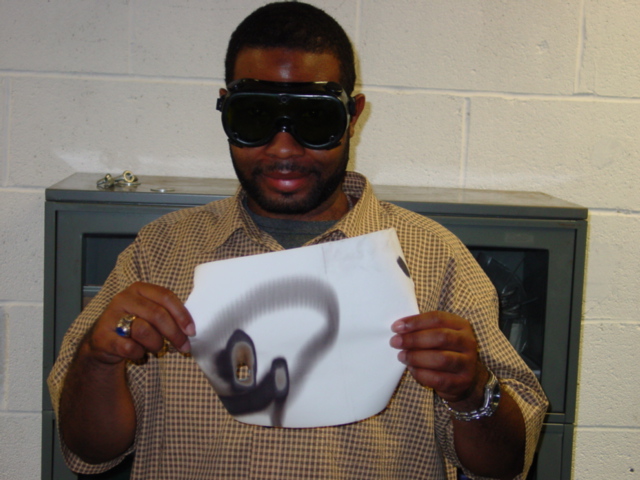
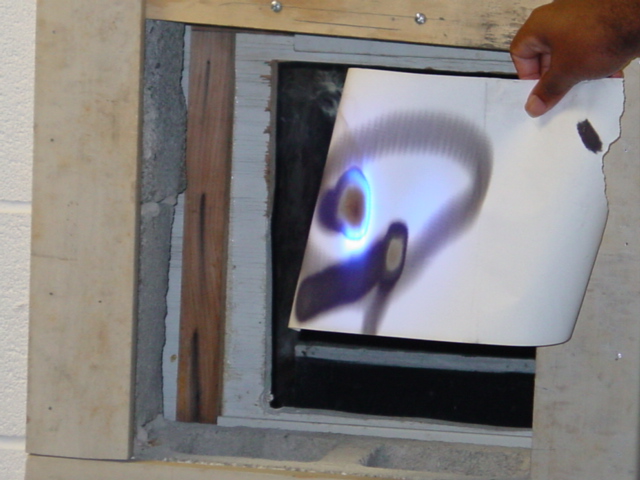
Rasheen Connell (Physics grad student) holding laser burn pattern |
|
|
|
|
 |
|
 |
|
|
|
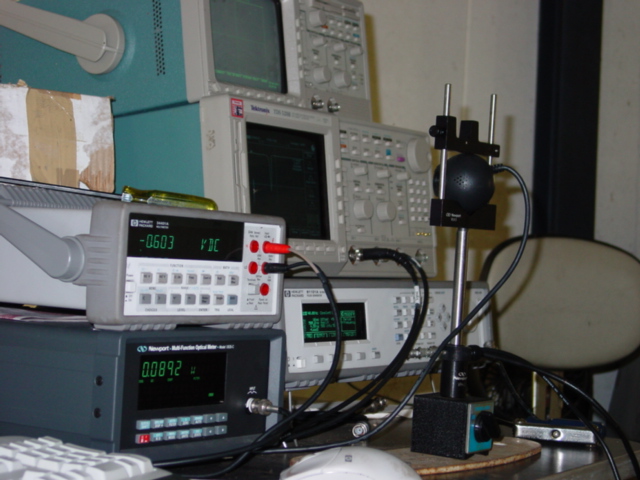
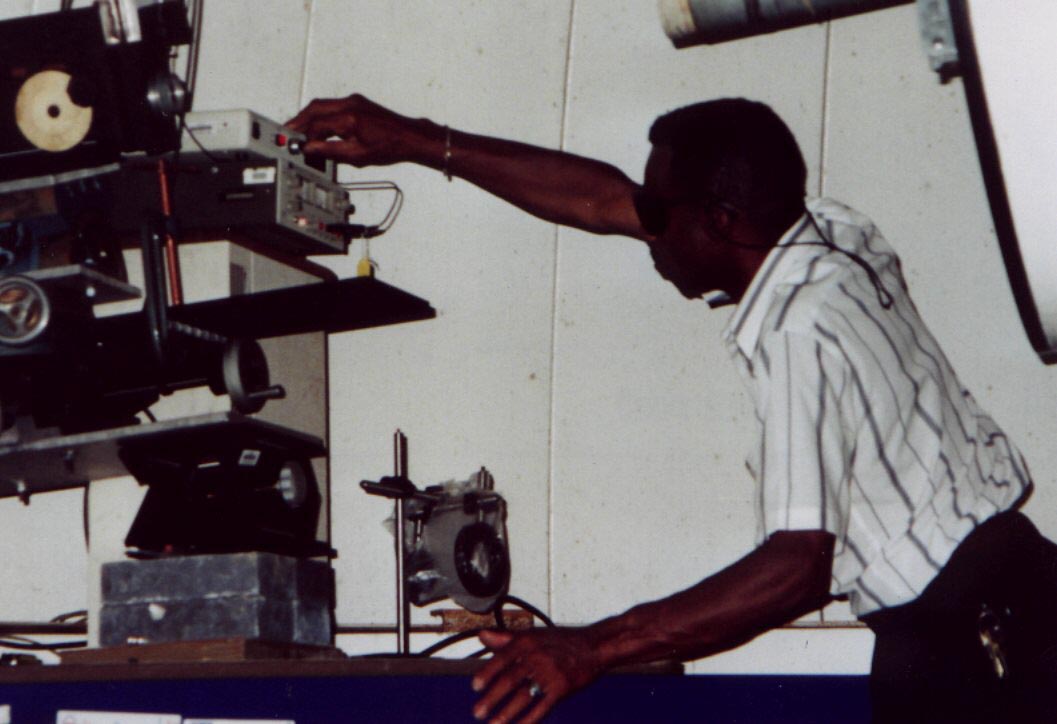
Fred Marsh setting the High Voltage on the Photo-multiplier tube |
|
|
|
|
|
 |
|
|
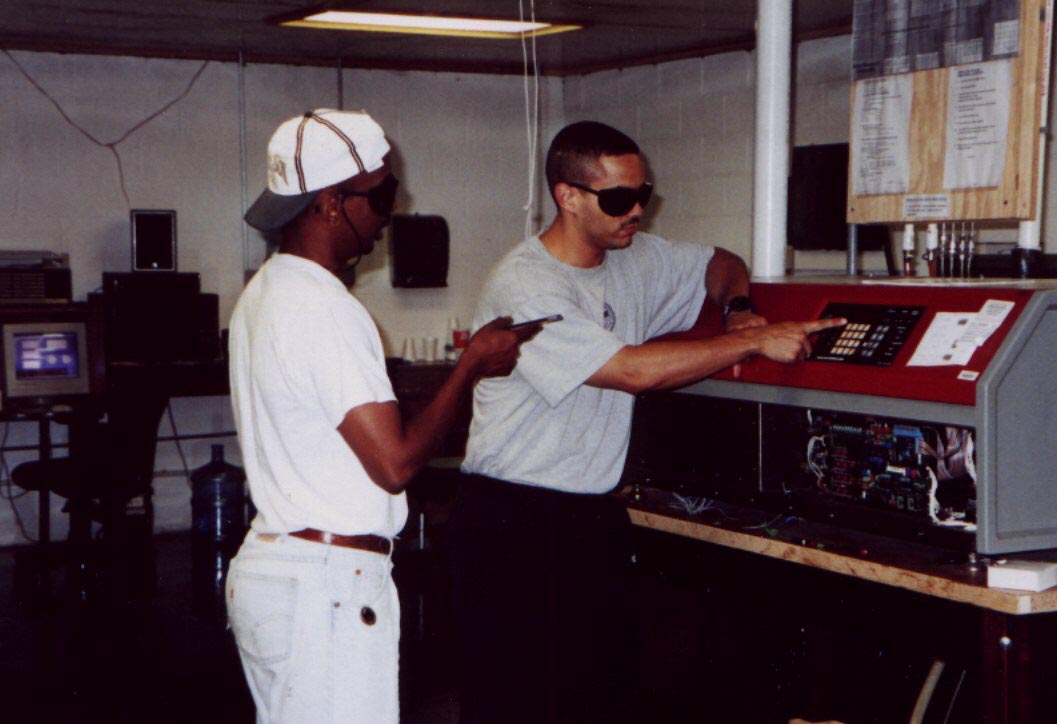
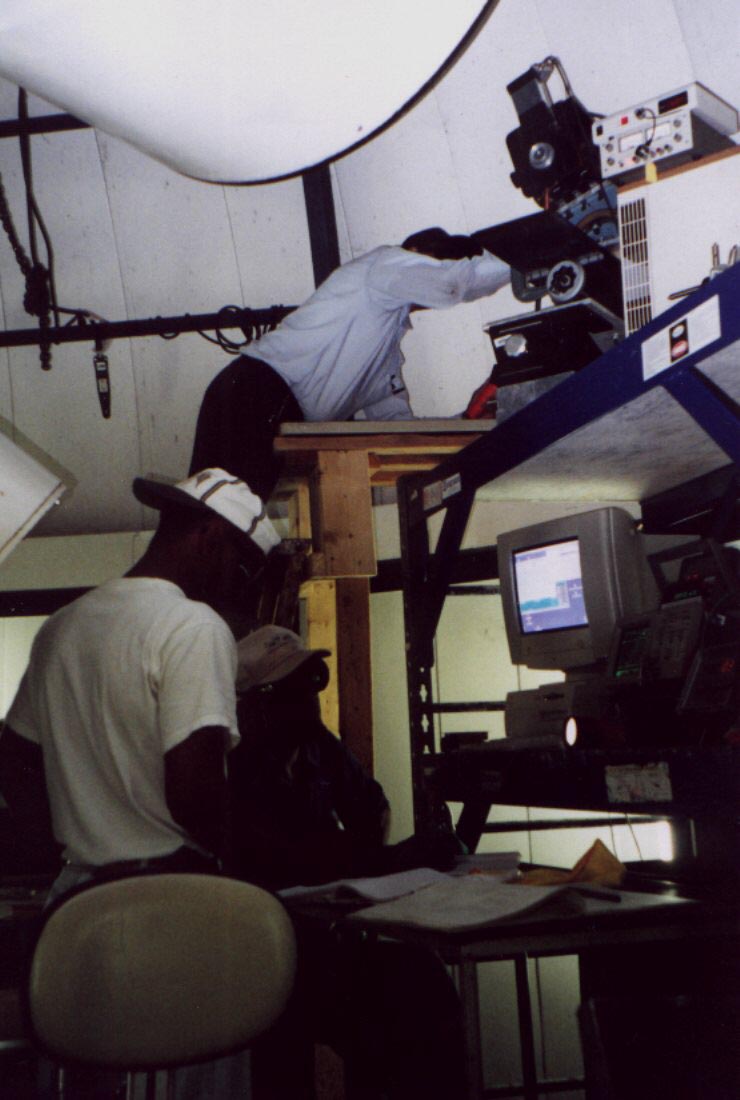
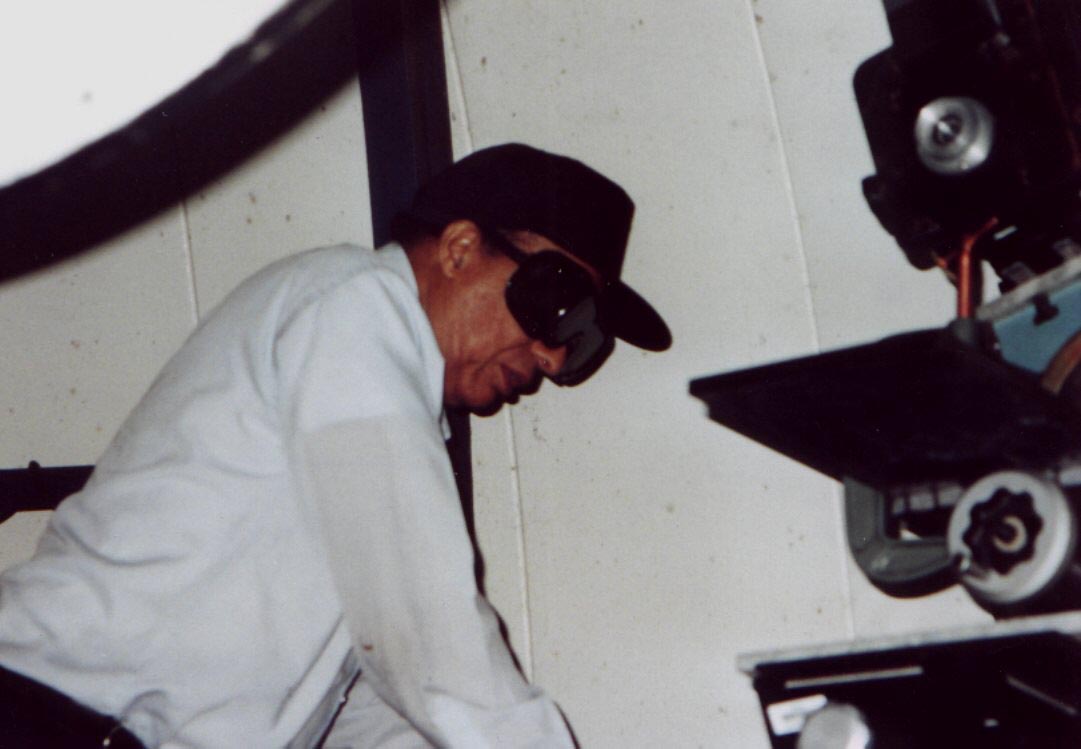
The Beltsville, MD crew hard at work |
|
|
|
|
Dr. Thorpe manning the Spectrometer |
|
|
|
|
|
Other useful links: |
|
|
|
Howard University |
|
|
|
Howard University Physics Department |
|
|
Howard University's Program in Atmospheric Sciences |
|
|
|
Home |
|