| Irrational Commuting | |||||||||||||||
| In 1952 Chombart de Lauwe traced the movements of one student in Paris over the course of a year. The entirety of her movement formed a small triangle, consisting of her home, her university and her piano teacher's house. | |||||||||||||||
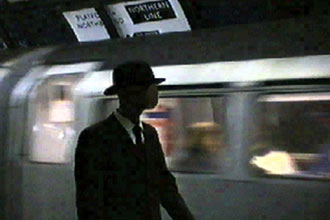
| Ideally all psychogeographers would be idle flaneurs, able to wander the ventricles of the city on whim. Unfortunately most of us have some form of socio-economic commitment to attend to during the day. HOWEVER such commintments need not be a barrier to psychogeoraphy. Journeying into the city allows ample opportunity for experimental exploration. Do not allow yourself to become a robotic drone, following the same path every day but seize the chance to experience new horizons and indulge in a spot of Irrational Commuting. |
|||||||||||||||
![]() |
|||||||||||||||
| How to Irrationally Commute | |||||||||||||||
| Part of the fun of the irrational commute is devising new maens of exploration, but here are a few suggestions to begin with: - Get off the train/tram/bus a few stops later then usual and walk back through a new area - Walk your usual route with your eyes shut. Experience a familiar part of the city in a new way. - Walk to work backwards -Finish work an hour early and wander the streets alternating left with right turns until you end up at the station |
|||||||||||||||
![]() |
|||||||||||||||