|
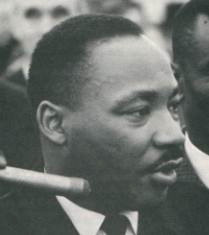
It took 15 years to create the federal Martin Luther King, Jr., holiday. Congressman John Conyers, Democrat from Michigan, first introduced legislation for a commemorative holiday four days after King was assassinated in 1968. After the bill became stalled, petitions endorsing the holiday containing six million names were submitted to Congress.
Conyers and Rep. Shirley Chisholm, Democrat of New York, resubmitted King holiday legislation each subsequent legislative session. Public pressure for the holiday mounted during the 1982 and 1983 civil rights marches in Washington.
Congress passed the holiday legislation in 1983, which was then signed into law by President Ronald Reagan. A compromise moving the holiday from Jan. 15, King's birthday, which was considered too close to Christmas and New Year's, to the third Monday in January helped overcome opposition to the law.
A number of states resisted celebrating the holiday. Some opponents said King did not deserve his own holiday—contending that the entire civil rights movement rather than one individual, however instrumental, should be honored. Several southern states include celebrations for various Confederate generals on that day, while Utah calls it Human Rights Day. Legislation is now pending to change the name to Martin Luther King Day. Arizona voters approved the holiday in 1992 after a threatened tourist boycott. In 1999, New Hampshire changed the name of Civil Rights Day to Martin Luther King, Jr., Day.
|