| Biological filtration.The most important type of filtration. Well i think so. Tab water has to sit overnight to remove choline. Then we have to "cycle the tank". Cycling the tank sets up some beneficial bacteria to get rid of waste and oxygenate the water. |
| This process takes about a month to complete. However, if you have used gravel thats already been clylced in another tank the gravel should still contain some bacteria .Hince the term "live rock". or "live sand". Placing a small gold fish (or other inexpensive fish) in the tank also speeds up the process. I was told by a locale pet shop that Tetra* AquaSafe whuld instantly cycle the tank. I tried some in my first 10 gallon tank. Although i was able to put my oscar in the next day, the water kept clouding up. After about a month the water cleared up. Basicly had to cycle the water anyway. |
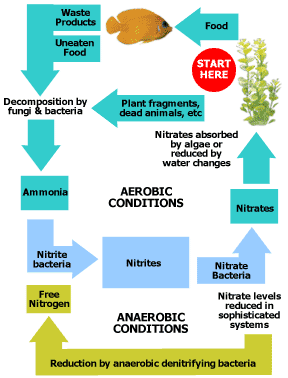
| Biological In biological filtration, different types of bacteria convert the toxic chemical byproducts produced by the aquarium inhabitants into less toxic nutrients. This breakdown process by the bacteria is called the Nitrogen Cycle. In the Nitrogen Cycle, the waste products of the fish, plants, and invertebrates, along with any dead organisms (uneaten food) are broken down by bacteria and fungi into ammonia. Ammonia is extremely toxic to all of the aquarium inhabitants, and is broken down into nitrites by an oxygen-loving bacteria known as Nitrosomonas. Although nitrites are not as toxic as ammonia, even at low concentrations in the aquarium, they can still be harmful to fish and invertebrates. Again, another bacteria called Nitrobacter, which also utilizes oxygen, acts in a similar way as Nitrosomonas, and essentially changes nitrites into relatively harmless nitrates. Nitrates, at low to moderate levels, will not harm most fish or invertebrates, but can be the source of some unsightly algae problems if not controlled by both the chemical filtration and water changes. |
 |
| For the Nitrogen Cycle to work properly, there must be an area for a sufficient number of these bacteria to grow, and their need for oxygen must be met. Biological filtration occurs to some degree in all filters and in areas of the aquarium where these bacteria are present such as the water, substrate, and decorations. The capacity of a biological filter is determined by the available surface area for bacterial growth and the oxygen content of the water passing over them. Not all filters have the same capacity when it comes to biological filtration. Filters in which the biological media is exposed to the air are going to have the greatest capacity |