The Birth of Super Energy Weapons
10/23/2348
Discovery:
New way of manipulating Ionic energy. Research of large scale combat
weaponry begins. Possible uses include planetary defense systems, ground
batteries, orbital bombardment, and large scale ship-to-ship combat weapons.
Testing Log
9/6/2349:
#1 Ionic reactor is built.
9/17/2349:
#1 Prototype Reactor explodes, this leads to a chain reaction also exploding
the reactor's power distribution conduits.
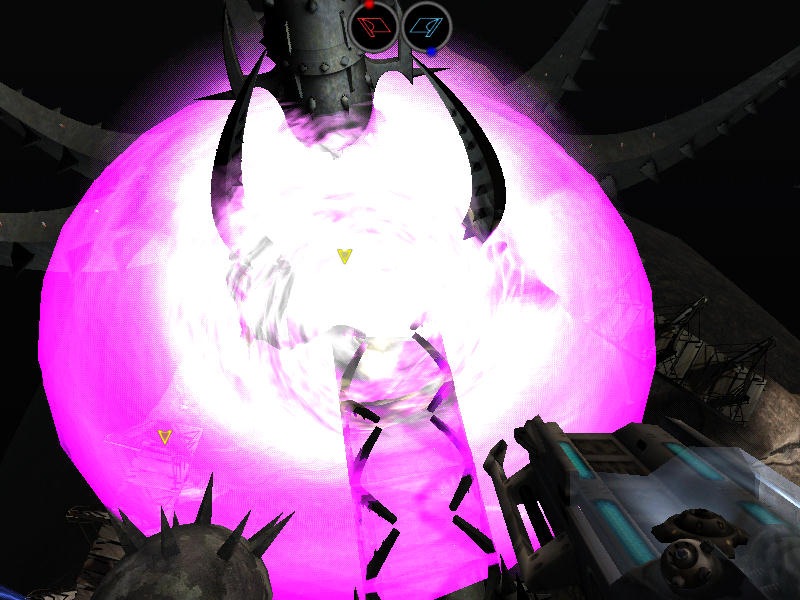
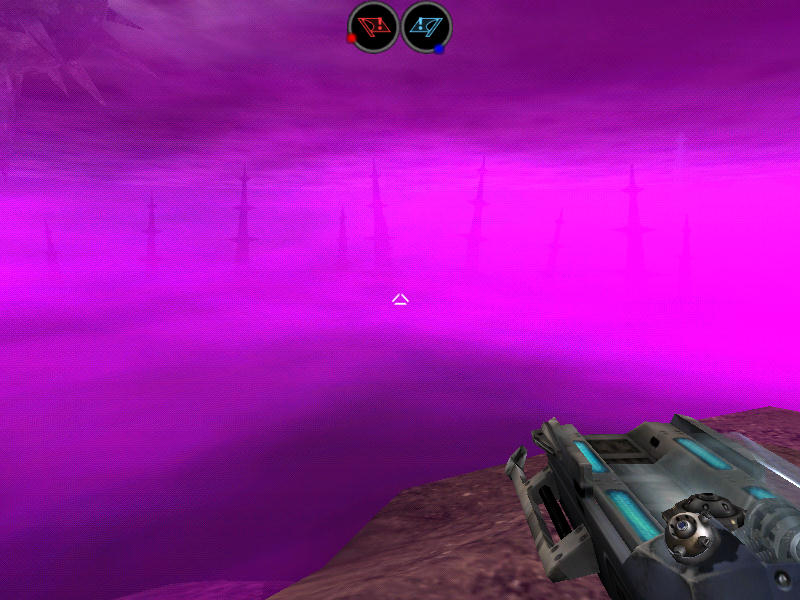
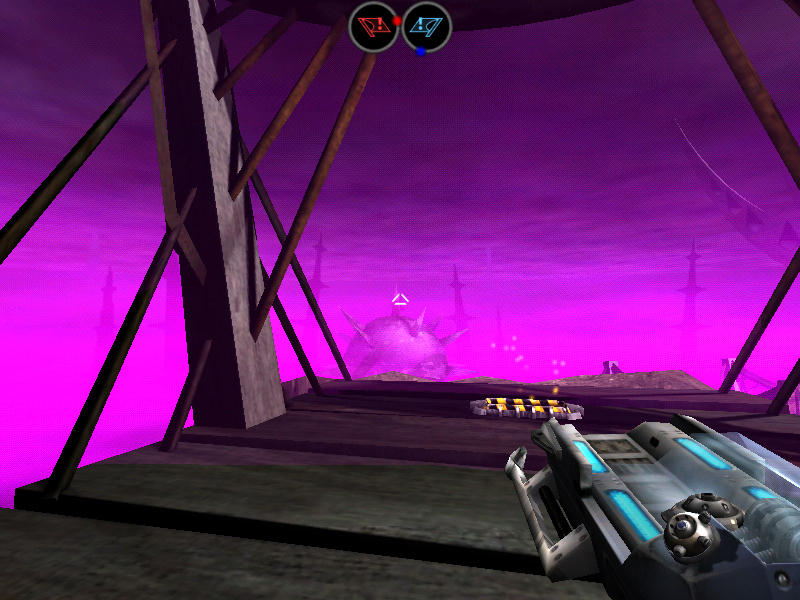
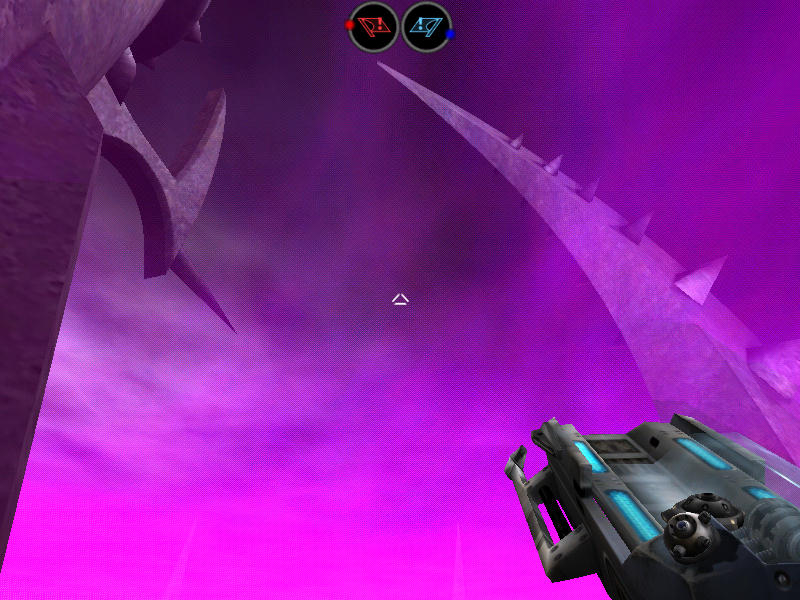
Survey drone captures stills of event.
Fortunately all
scientists were bunkered in the heavily reinforced labs.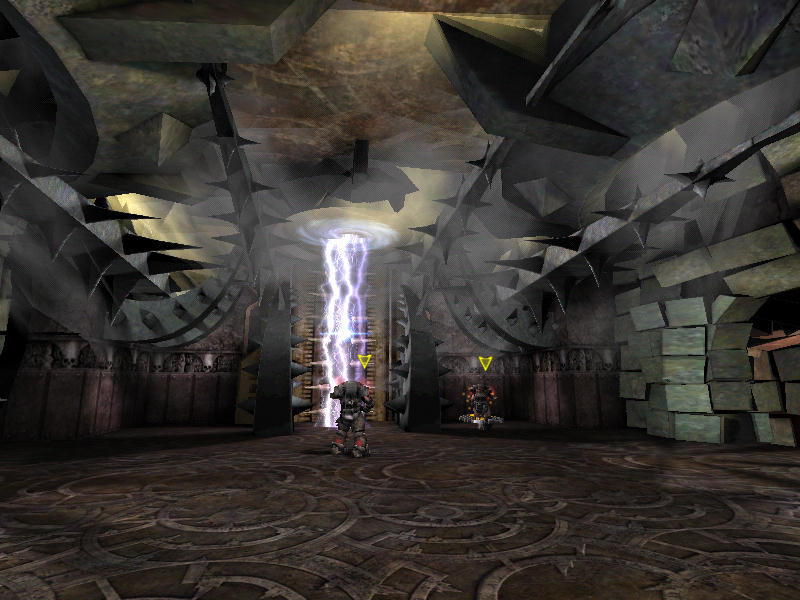
Drones capture stills of conduit explosions.
This drone's view was the most spectacular, seeing the cascading conduit
explosions over the entire grounds of the testing site.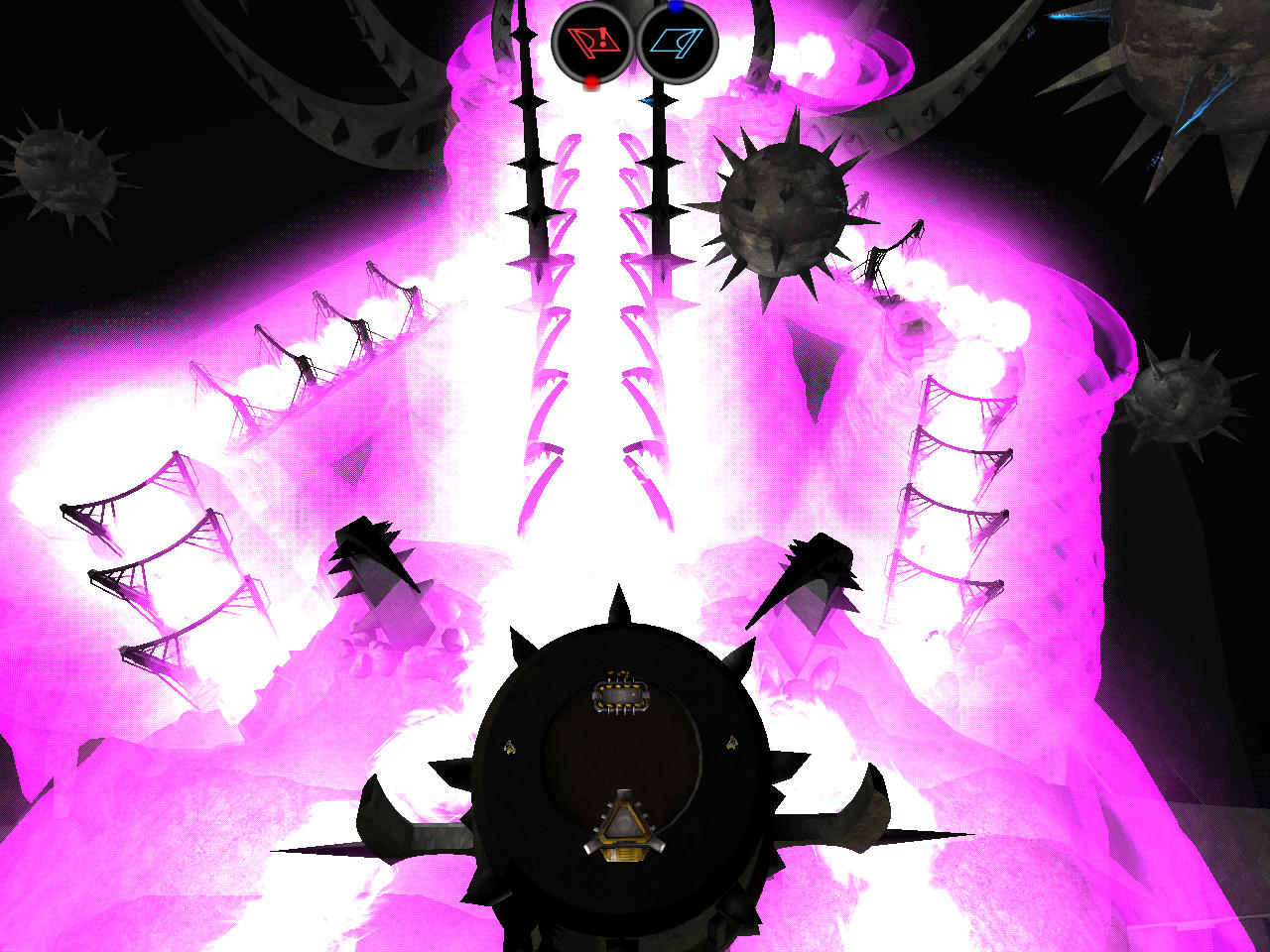
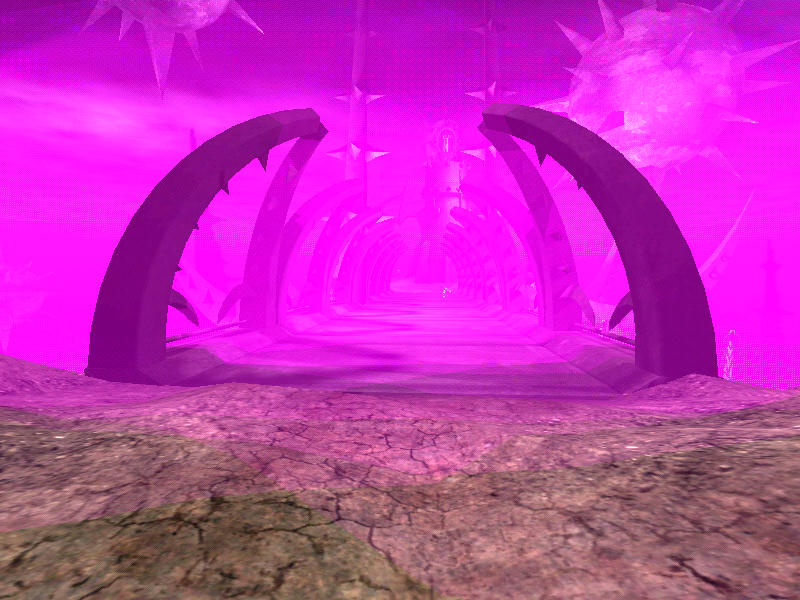
The aftermath of the now destroyed Ionic reactor and conduits left a thick corona-like ionic fog hanging around the testing site. Fortunately there was only minor to medium damage to the site itself. But the reactor and conduits were a total loss.
10/3/2349:
The fog lifted after a couple of days, a preliminary investigation concluded
that the rector actually was struck by lightning which set off the chain
reaction.
12/18/2350:
Prototype Reactor #2 is now built into the mountains that house the labs to
protect them from the constant atmospheric disturbances that loom over the area.
All conduits are now built 4 times stronger.
3/18/2351:
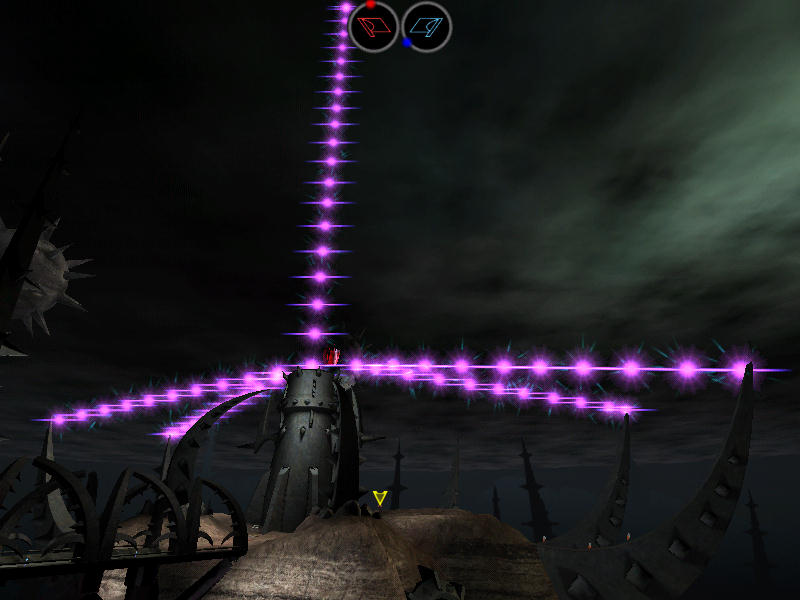
Testing of Cannon #1 is now underway with the first energy focusing
technique. It is powered by reactor #2 through the distribution conduits. Reactor
#1 is still under reconstruction in the mountain that cannon #1 sits upon,
Prototype Cannon #2 is also still under construction, it's design requires that
it be modular.
3/1
9/2351:6/13/2351:
The test of the #2 cannon was a bit more successful.
Instead of using the outer rods, we utilized the inner rods located on the
cannon itself. This put more power into the beam, but also required more power
to fire the cannon. The power conduits where stressed severely in this test. However,
the residual aura of the beam was quite pretty to look at. ut2003_main-cannon_2.mpg
7/30/2351:
In test #3, we finished rebuilding Reactor #1, and also finished the recalibration
of Canon #2.We also constructed a series of secondary conduits to help the main
power conduits cope with the heavy stresses that will put upon them.
ut2003_twin-cannons0.mpg
7/30/2351:
The end result was part success and part failure, as the conventional
technology we used for the secondary power systems self destructed from being
overloaded by the Ion Reactors. The secondary systems in the red tower were
completely destroyed. More research into this phenomenon will be conducted.
As for the cannons, we were able to deduce that to increase the
canon's power efficiency, we will create an ionic explosion at the mouth of the
cannons to act as a "primer" for the beams. This theory will be tested
in the next round of tests.
1/5/2352:
We did it! The Forth test has been completed and we
have managed to succeed in firing the cannons with maximum efficiency, and
destructive power. The cannons fired without a hitch and there was no residual
aura sucking up energy. Now all we need to do is make a more efficient cooling
system to decrease firing interval times, as it takes the cannons 30 minutes to
cool down enough to fire again.
