1 millisiemen (EC) equals 1 millimhos, equals 1,000 microsiemens, equals 1,000 millimhos, equals 10 CF.
It is simply a matter of shifting the decimal place to convert between the different units.
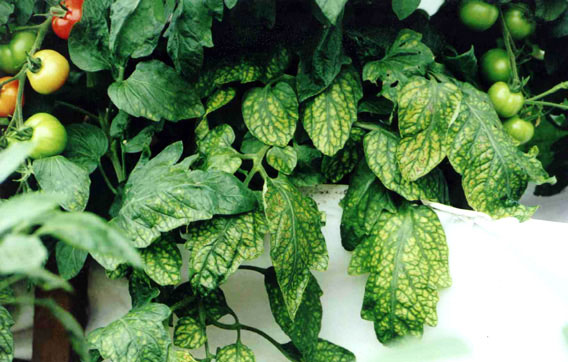
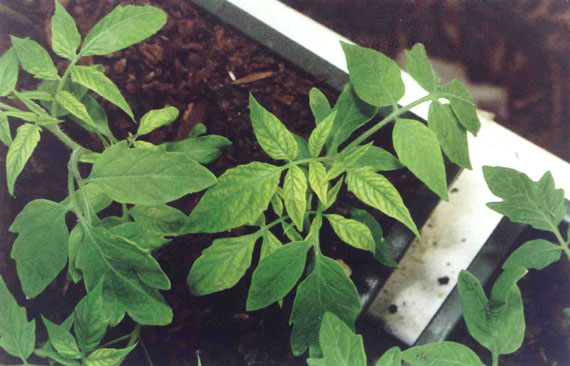
Running the correct EC for your particular crop and system is important. Some crops such as lettuce and other greens prefer a much lower EC than fruiting crops such as tomatoes, and each crop has its own ideal EC range for optimum growth. When the EC is being run to high for a particular plant, this will show as visible symptoms within the crop. A high EC, effectively puts the plants under `water stress' since the plant cells begin to lose water, back into the more concentrated nutrient solution surrounding the roots. As a result the first sign of nutrient `overuse' is plant wilting, even when supplied with sufficient nutrient solution. If the high EC conditions re not too severe, the plants will adjust to these conditions and you may see growth which is `hard' in appearance - often a darker green then usually, with shorter plants and smaller leaves. When the EC is being run to low, the opposite occurs - greater amounts of water are taken up, growth will be soft and floppy and often a lighter green in appearance. Fruit will have less flavour and the quality of the whole crop - in terms of dry matter, shelf life, firmness and colour will be reduced. Since other factors affect EC also, such as water uptake from the solution, concentrating the nutrients during warm periods, or nutrient uptake, dropping the EC under a different environmental conditions it is vital that the EC is measured, monitored and adjusted on a regular basis.
Summary
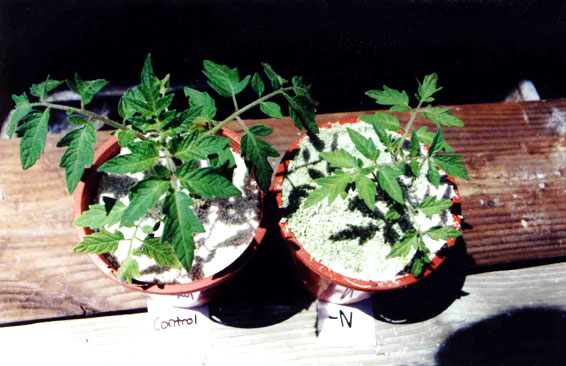
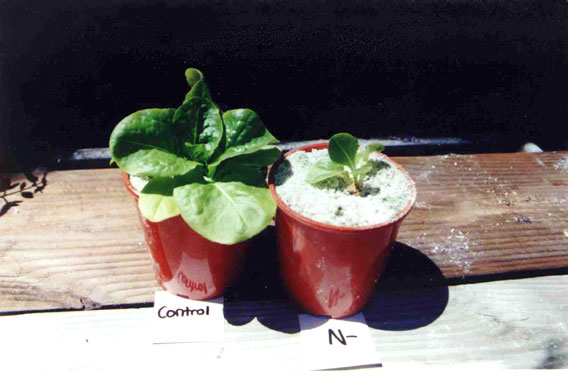
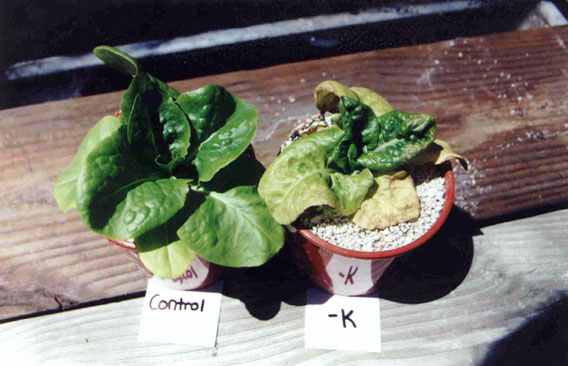
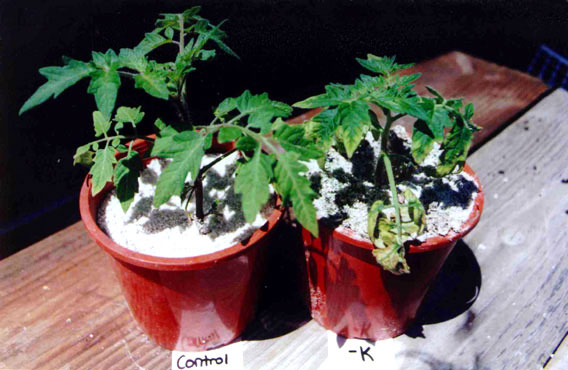
By focusing on the two most important solution factors - nutrient balance and nutrient concentration, the hydroponic solution will give maximum growth and yields. When things do go wrong, being able to correctly identify a deficiency symptom before it begins to severely effect your plants is also important, so as always, closely watching what your crop is doing is a growers best line of defence against solution problems.