<Home
Places
History
Map
About me
History Of Manila
Past
Present
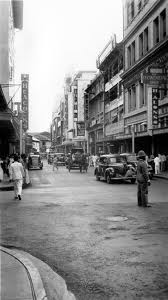
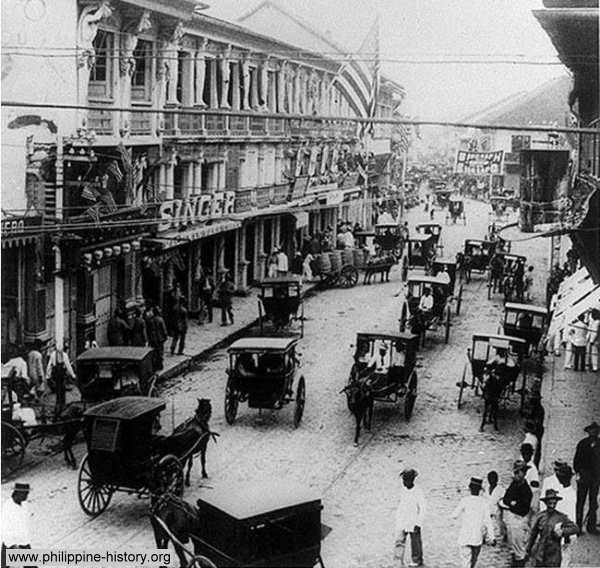

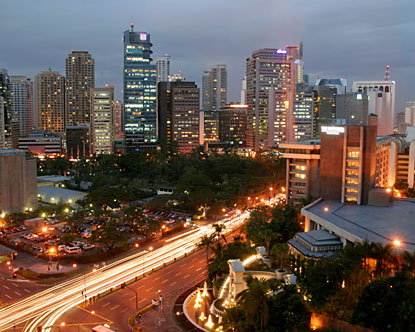
Manila began as a small tribal settlement on the banks of the Pasig River near the mouth of Manila Bay. It took its name from a white-flowered mangrove plant - the nilad - which grew in abundance in the area. Maynilad, or where the nilad grows, was a fairly prosperous Islamic community ruled by Rajah Sulayman, descendant of a royal Malay family.
In the 19th century, Spain's colonies were racked by corrupt administration and internal disorder. Liberal ideologies fired the spirits of enlightened Manile�os (residents of Manila) like Philippine national hero Jose Rizal who studied abroad and Filipino rebel leader Andres Bonifacio who read books on revolutionaries and philosophers. The seeds of revolution were thus sown in Philippine soil, and insurrection sprouted all over the countryside.By the late 1800s, Spain had lost control over the Philippines, and with her major defeat by the American fleet in the Battle of Manila Bay, totally relinquished her hold on the colony.
By the late 1800s, Spain had lost control over the Philippines, and with her major defeat by the American fleet in the Battle of Manila Bay, totally relinquished her hold on the colony.
But freedom would not come so easily, for the Filipinos eventually found themselves under their erstwhile ally, the Americans.
Under the new conquerors, Manila spread outwards, roads and bridges were built, and schools taught the Filipinos Western culture and proficiency in a new language English.
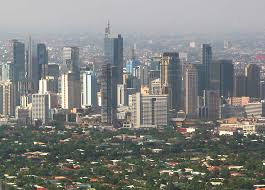
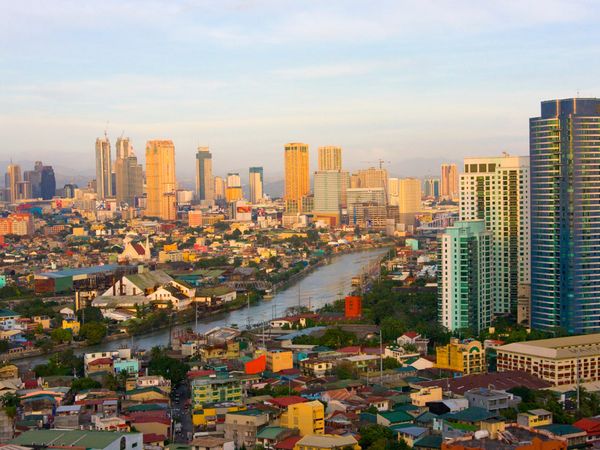
Today, Metro Manila is also known as the National Capital Region - a thriving, ever-enlarging urban sprawl covering about 630 square kilometers and harboring a population of about ten million.