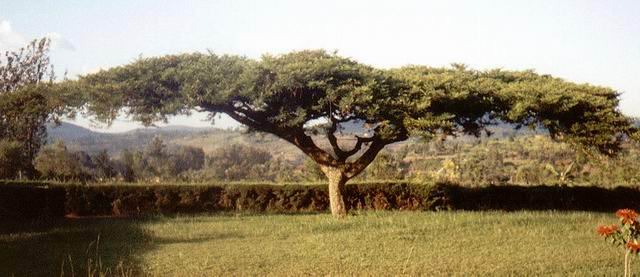
flowers of the true Acacia, have given to the former the popular names of White Acacia or "Acacia Blanc."
The Acacia tree can be raised either from seed, from cuttings, or by grafting. It will grow in any soil that is not too wet, and is a quick-growing but short-lived plant, but the quality of its timber undoubtedly varies according to the character of the soil in which it is grown. It may reach a height of seventy or eighty feet with a diameter of two to as much as four feet.
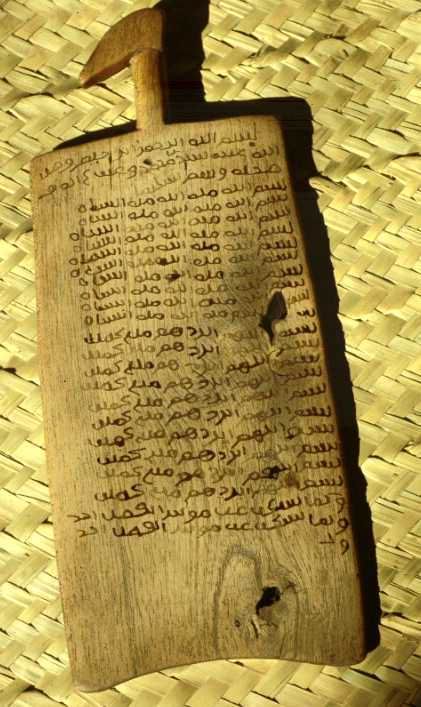
The wood of the best varieties is hard, strong and durable, takes a good polish, and is prettily veined with brown. Besides its use in ship-building and for agricultural purposes, it is employed in America for the sills of doors and windows, for cabinet work and in the making of toys.
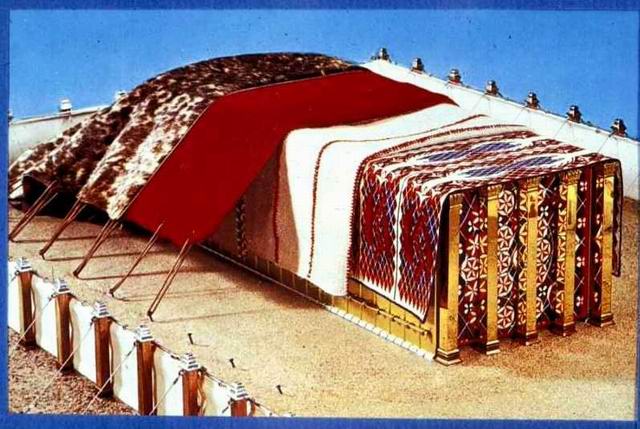
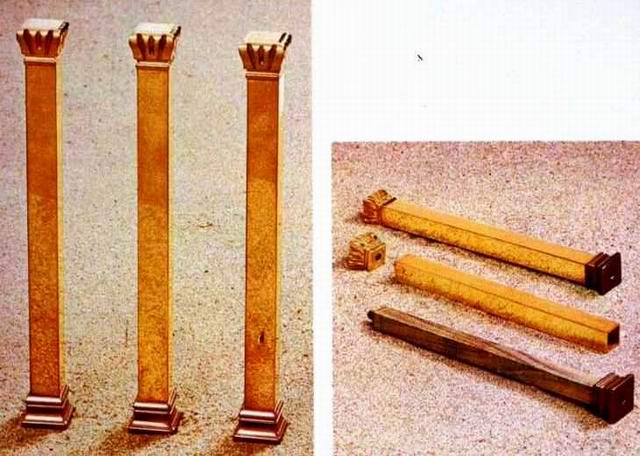
Acacia wood has been mentioned in connection with the tabernacle (Exodus chapters 37 & 38). The following items were made of acacia wood: the ark and its poles, the table of showbread and its poles, the brazen altar and its poles, and the incense altar and its poles, all the poles for the hanging of the curtains as well as the supports. In short, all the structural features of the tabernacle were contructed of acacia wood. |