
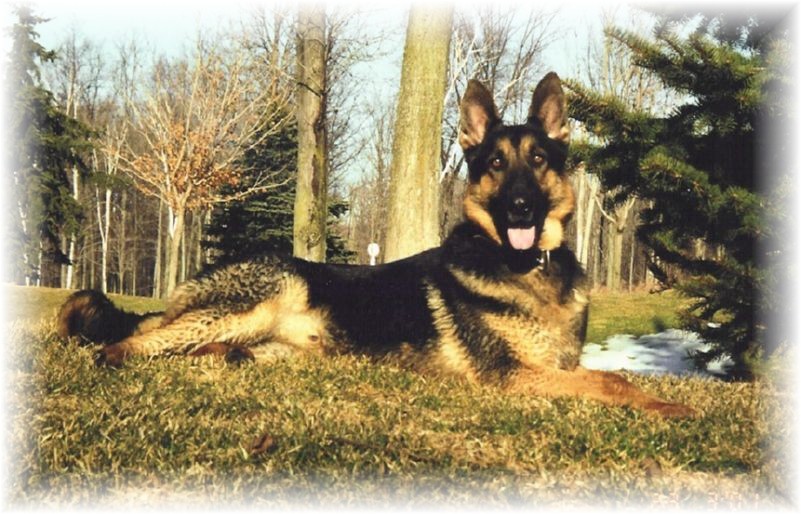
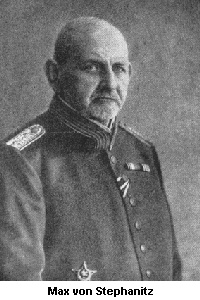
The dog was called Hektor Linksrhein but was later named Horand v Grafeth by Von Stephanitz, who used the animal as the basis on which much future development would be made. Horand was greatly admired by many breeders who were quick to use him in their breeding programs. Not surprisingly, he became the dog that best exemplified the goals of early breeders.
Horand's most? celebrated son was Hektor v Shwaben, who in turn sired Heinz v Starkenburg and the litter brothers Beowolf and Pilot.
Since World War II German Shepherd has gone from strength to strength and is now one of the world?s most popular breeds. This is as it should be, for while task for task other breeds may surpass it, no other single breed has been able to master such a wide range of skills as the German Shepherd Dog.
The German Shepherd is large enough to tackle a man and win a contest, yet agile enough to cope with a flock of sheep. He may not be able to outrun a Greyhound but he can show an amazing turn of speed, and having developed from natural working strains, he can maintain a steady canter far longer than most other breeds.
It can be seen from the foregoing that our modern German Shepherd is a king among dogs, noble of head, athletic in body. Here is a dog developed to be functional, the epitome of dedicated and carefully planned breeding.
The problems that have confronted the post-war breeders have in their own way been as great as those confronting the early pioneers.
Most early German Shepherds were predominantly working dogs and it was therefore not difficult to ensure that working qualities were maintained and that the breed's natural intelligence was put to practical use. Once established it was difficult to retain qualities, let alone improve on the breed, yet this breeders strived to do. For this reason working trials were introduced in addition to obedience trials where qualifications such as C.D. (Companion Dog), T.D. (Tracking Dog), P.D. (Police Dog), and U.D. (Utility Dog) could be earned. Between the two World Wars many clubs came into being which rendered great service to the breed. In addition to the many shows and meetings they hold, they have acted as public relations offices to defend the breed against periodic maligning from the public. The German Shepherd has throughout its history had to contend with condemnations from the press. The great fluctuations in registration figures over the years serve to illustrate this and the very popularity of the breed has itself been the cause of much trouble.
Rapid popularity has meant that at times many undesirable breeders have appeared on the scene with the sole object of making money. In this situation mediocre dogs are bred from in almost factory style thus perpetuating faults. The sheer numbers of dogs meant that sooner or later disaster would happen. The wrong people obtain the wrong dogs and ultimately someone gets hurt.
The breed's wolfish appearance makes it a prime target for the press who often fan the flames of public dissent. As a result, sales decline and the hard core breed lovers are left to put their house back into order. This is most difficult for often in the turmoil bloodlines can become a puzzle to sort out.

