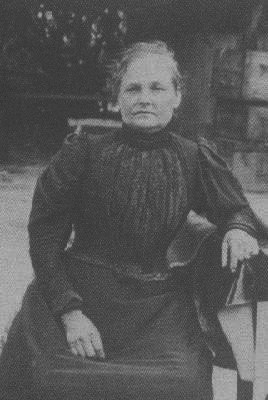
| JOHN FRANCIS WATTS AND JANE SKELTON | ||||||||||||||||||||||||||||||
| The Love Story !!! John Francis Watts was born in Ashford By Barnstaple, Devon England in 1837. He was a sailor and was part of the crew of the James Baines. The James Baines set records for times between England and Australia and other routes, it was one of the fastest clipper ships ever built. During one of her several voyages to Australia in1856 he was sent ashore off Sorrento by his captain to source water; he and his companions drew the water from Jane's family well. John and Jane struck up a conversation and John promised to return in 2 years and marry her, at this time Jane was 11 years of age. Two years later John returned to the Peninsula and he and his friend jumped over the side of the vessel and rowed a bath to shore near Dromana. John then worked in various areas and occupations, as a limeburner (turning limestone into powdered lime for the building industry using a wood fired kiln), working on a cattle station on the Tarwin River and then as a fisherman. |
||||||||||||||||||||||||||||||
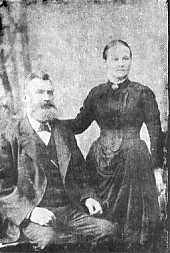
| John and Jane Watts | ||||||||||||||||||||||||||||||
| John and Jane married on the 20th February 1865, in Tootagrook, she was 18 and John was 27. They had a total of 9 children Henry 1865 - my great great grandfather Hannah 1867 James Skelton 1870 Elizabeth 1873 William Dickens 1875 Harriet Maria 1878 John Francis 1880 Edward Joshua 1883 Samuel Hellins 1885 |
||||||||||||||||||||||||||||||
![]() |
||||||||||||||||||||||||||||||
![]() |
||||||||||||||||||||||||||||||
| Jane Watts | ||||||||||||||||||||||||||||||
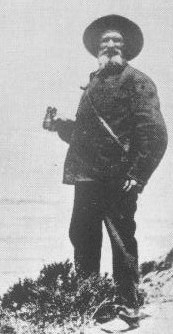
| Later in his life John became the Foreshore Ranger | ||||||||||||||||||||||||||||||
| John Francis Watts died in 1912 and Jane Watts (nee Skelton) died in 1935 they are buried together at Sorrento Cemetery, along with their daughter Harriett. |
||||||||||||||||||||||||||||||
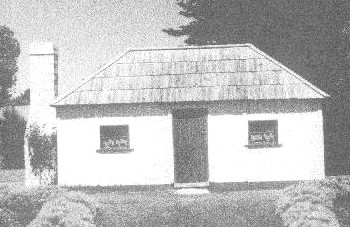
| WATTS COTTAGE | ||||||||||||||||||||||||||||||
![]() |
||||||||||||||||||||||||||||||
| John and Jane built a house in 1869. It was built by a Mr Lowther, costing 12 pounds. It was approximately 12 feet by 25 feet; it was of wattle and daub construction with a shingle roof. The doors and windows are made from kauri salvaged from the shipwreck of "The Hurricaine" in April, 1869. It was occupied until the death of Harriet Maria Watts in 1966. The land and cottage was then sold to sub-dividers, but as it was now a National Trust listed property, the cottage had to be preserved. Through community fundraising, donations and the sterling efforts of the Rotary Club, Watts Cottage was dismantled and rebuilt near the Nepean History Society Museum where it is maintained by the Society and as a "Watts Museum" | ||||||||||||||||||||||||||||||
| Return to Index | ||||||||||||||||||||||||||||||
| Go to the Nepean Historical Society Site | ||||||||||||||||||||||||||||||