| Nicholas' May News p - 2 On this page: Science-More Biomes Current Event - Robots Going to Mars Monthly Math Challenge P.E. Challenge |
|||||||||||||||||||||||||||||||||||||||||||||||||||||||||||||||||||||||||||
| Back to May News - p.1 | |||||||||||||||||||||||||||||||||||||||||||||||||||||||||||||||||||||||||||
| to Nicholas' News Index | |||||||||||||||||||||||||||||||||||||||||||||||||||||||||||||||||||||||||||
| To Nicholas' Art Gallery | |||||||||||||||||||||||||||||||||||||||||||||||||||||||||||||||||||||||||||
| Science - More Biomes | |||||||||||||||||||||||||||||||||||||||||||||||||||||||||||||||||||||||||||
| Temperate Rainforest | |||||||||||||||||||||||||||||||||||||||||||||||||||||||||||||||||||||||||||
| Tundra | |||||||||||||||||||||||||||||||||||||||||||||||||||||||||||||||||||||||||||
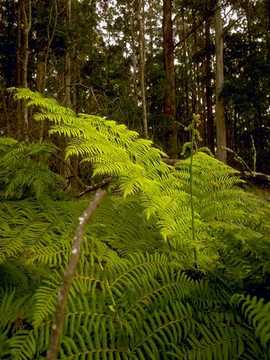
| A temperate rainforest is a cool, wet forest that is thick with plants. The temperate rainforest has some of the oldest trees on earth with trees that are 500 to 1,000 years old! A temperate rainforest does not have as many different kinds of plants as a tropical rainforest. In a temperate rainforest, most of the animals live on or near the ground because most of the food is found there. In North America, this biome is found in the northwest along the coast of the Pacific Ocean in Northern California, Oregon, Washington, parts of Canada and Southern Alaska. Rain: 80 � 160 inches a year Weather: Temperate rainforests rarely freeze in the winter or get over 80� F in the summer. In a temperate rainforest, there are wet and dry seasons. During the dry season it hardly rains, but fog from the ocean coast brings water and moisture to the forest. Soil: The soil of the temperate rainforests is the most fertile soil with the most amounts of living things of all the biomes. The cooler temperatures help things decay slowly and keep the soil thick and full of organic material. Layers: 1. Canopy: tallest trees � mostly conifers (trees that have needles and stay green � 130-290 feet high 2. Understory � shade loving trees and shrubs 3. Forest floor- low growing shade plants, lichens, mosses, decaying trees, pine needles Examples of types of plants: Trees: Sitka spruce, Western hemlock, Douglas fir, Western red cedar, dogwood, vine maple Shrubs: huckleberry, wild currant, thimbleberry Plants: sword fern, Oregon oxalis, moss, lichens, mushrooms Examples of types of animals: mosquito, Golden beetle, Pacific tree frog, gray jay, Northern spotted owl, bobcat, black bear, elk, black-tailed deer, raccoon, |
|||||||||||||||||||||||||||||||||||||||||||||||||||||||||||||||||||||||||||
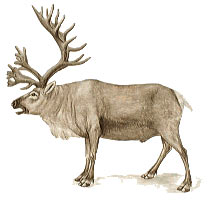
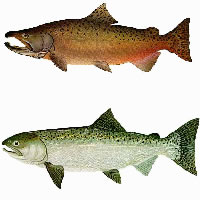
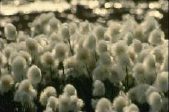
| The Arctic tundra is a huge area of land that covers one fifth of the earth�s surface. It is an extremely cold and harsh environment where the plants and animals that live there have to be adapted to the cold temperatures and very short summer growing season. The tundra biome is found around the North Pole around the Arctic Circle. In North America, it is in Northern Alaska and throughout Northern Canada and Greenland. Rain: The tundra is a very dry area. The air is too cold to hold much moisture. The tundra gets less than 10 inches of water per year. Weather: There are really only two seasons in the tundra. In the summer, the tilt of the earth means the Tundra has almost constant daylight. The temperature averages about 45�F but may get as high as 60�F. In the winter, the Arctic Tundra is tilted away from the sun and there is almost constant night or twilight. The temperature in the winter is about -30�F, but can get as low as -90�F! Soil: Most of the soil in the tundra stays frozen all year round. This is called the permafrost. The permafrost layer can be from three inches to about 3 feet from the top of the soil, so most plants have to be able to grow with very shallow roots. Shrubs and small trees only grow about one foot high. Also, when the top snow and ice melt in the summer, the permafrost layer keeps the water from sinking into the ground. This makes the ground very soggy and there can be a lot of swampy areas in the tundra. Examples of types of plants: cotton grass, cushion plants, lichen, dwarf willow, Examples of types of animals: Arctic fox, caribou, Arctic hare, ermine, wolf, Artic tern, snow goose, salmon, trout, polar bear, moose, Arctic bumblebee |
|||||||||||||||||||||||||||||||||||||||||||||||||||||||||||||||||||||||||||
![]() |
![]() |
||||||||||||||||||||||||||||||||||||||||||||||||||||||||||||||||||||||||||
![]() |
|||||||||||||||||||||||||||||||||||||||||||||||||||||||||||||||||||||||||||
![]() |
|||||||||||||||||||||||||||||||||||||||||||||||||||||||||||||||||||||||||||
| Chinook Salmon | Cotton grass | ||||||||||||||||||||||||||||||||||||||||||||||||||||||||||||||||||||||||||
| Ferns and trees in the forest | |||||||||||||||||||||||||||||||||||||||||||||||||||||||||||||||||||||||||||
| Caribou | |||||||||||||||||||||||||||||||||||||||||||||||||||||||||||||||||||||||||||
| Current Event - Robots Going to Mars! | |||||||||||||||||||||||||||||||||||||||||||||||||||||||||||||||||||||||||||
| NASA is getting ready to send robots to Mars. The first launch is set for June 8, 2003, and they hope to land on Mars in early 2004. NASA is sending two rolling robots on two separate rockets to Mars. They will travel 300 million miles and then land on opposite sides of Mars. The Mars rovers with the parachutes and airbags will probably bounce about 13 times and roll a half mile before stopping. Then the airbags will deflate and the rovers will be ready to work. NASA is sending the robots to find out if there are any signs of dried up lakes or other water on Mars. They will probably be able to work for about 90 days. Some day, NASA hopes to send humans to Mars. |
|||||||||||||||||||||||||||||||||||||||||||||||||||||||||||||||||||||||||||
| Monthly Math Challenge | |||||||||||||||||||||||||||||||||||||||||||||||||||||||||||||||||||||||||||
| Here's a math "trick" that you can do to amaze your friends and parents, but you'll have to figure out how it works first! I asked my mom to pick any 3 consecutive numbers ( that means any 3 numbers in counting order, for example: 10, 11, 12). I told her not to tell me the numbers, but to add them together and give me the sum. Then I could tell her the three numbers she picked! She told me her sum was 360 and I told her that her numbers were 119, 120, and 121. I was correct. How did I do it? You can pick three consecutive numbers. Send me the sum and I will be able to tell you which numbers you chose! You can put your sum on the guestbook or e-mail me. |

|||||||||||||||||||||||||||||||||||||||||||||||||||||||||||||||||||||||||||
![]() |
|||||||||||||||||||||||||||||||||||||||||||||||||||||||||||||||||||||||||||
| Anwer to April Math Challenge: Bob can make 12 different outfits with his clothes. | |||||||||||||||||||||||||||||||||||||||||||||||||||||||||||||||||||||||||||
| P.E. Challenge | |||||||||||||||||||||||||||||||||||||||||||||||||||||||||||||||||||||||||||
![]() |
|||||||||||||||||||||||||||||||||||||||||||||||||||||||||||||||||||||||||||
| Here is a trick that you can do when you're cartwheeling. You need two bean bags or pieces of cloth. Put them down where you think your hands are going to land when you cartwheel. Next do a cartwheel and try to pick up the bean bags while you're cartwheeling! Try to be standing up at the end with both bean bags. | |||||||||||||||||||||||||||||||||||||||||||||||||||||||||||||||||||||||||||
![]() |
|||||||||||||||||||||||||||||||||||||||||||||||||||||||||||||||||||||||||||
| Back to May News - p.1 | |||||||||||||||||||||||||||||||||||||||||||||||||||||||||||||||||||||||||||
| to Nicholas' News Index | |||||||||||||||||||||||||||||||||||||||||||||||||||||||||||||||||||||||||||
| To Nicholas' Art Gallery | |||||||||||||||||||||||||||||||||||||||||||||||||||||||||||||||||||||||||||