梁 鈞 轉 小 傳
English version
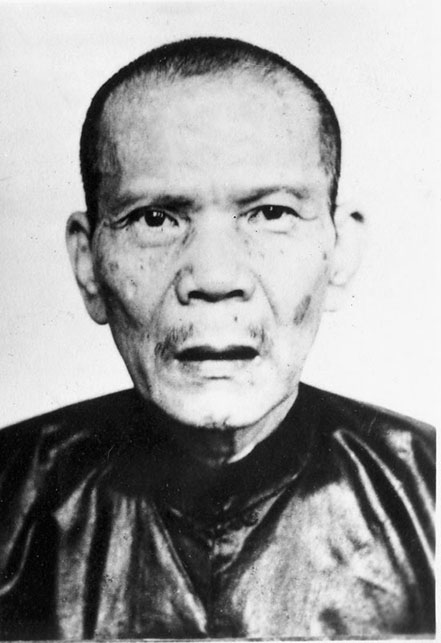 梁鈞轉,原名運康,號德時。生於廣東省、南海縣、西樵山、稔岡村,自幼在鄉間受教育,他是梁仁菴道長的幼子和哲嗣,因受父親的感染下,入道成為黃大仙道侶,獲賜道號 " 勤覺 "。據說,他在18歲時,身患怪病,群醫束手無策,性命危在旦夕,父親梁仁菴道長命他向黃大仙乞賜藥方,鈞轉服食乩賜方藥十餘天,怪病竟得痊癒,自此他對黃大仙深信不移。
1915年,他隨父親攜同黃大仙畫像來港另謀發展,1922年,他轉業受僱在一中藥店的舖面做" 幫工 ",協助贈醫施藥工作,開始接觸中藥,後來更隨在該藥店工作的關姓中醫師學習,漸懂藥性後,才自設藥店,經營中藥。
隨著二次世界大戰的爆發,香港淪陷的三年零八個月裡,他日夜留駐嗇色園內,晚間還開放該園的宿舍 ( 今天園內鳳鳴樓位置 ),收容不少附近夜歸和逃避戰火的婦孺,備極辛勞,曾多次與刻意刁難,企圖徵用嗇色園的日軍周旋,幾乎喪命,直至和平,嗇色園仍完好無損,梁氏功不可沒。
自嗇色園在1921年成立,梁氏為該園義務工作,直至1971年,因病逝世,享年76歲 ( 1896 ─ 1971 ) 。
梁鈞轉,原名運康,號德時。生於廣東省、南海縣、西樵山、稔岡村,自幼在鄉間受教育,他是梁仁菴道長的幼子和哲嗣,因受父親的感染下,入道成為黃大仙道侶,獲賜道號 " 勤覺 "。據說,他在18歲時,身患怪病,群醫束手無策,性命危在旦夕,父親梁仁菴道長命他向黃大仙乞賜藥方,鈞轉服食乩賜方藥十餘天,怪病竟得痊癒,自此他對黃大仙深信不移。
1915年,他隨父親攜同黃大仙畫像來港另謀發展,1922年,他轉業受僱在一中藥店的舖面做" 幫工 ",協助贈醫施藥工作,開始接觸中藥,後來更隨在該藥店工作的關姓中醫師學習,漸懂藥性後,才自設藥店,經營中藥。
隨著二次世界大戰的爆發,香港淪陷的三年零八個月裡,他日夜留駐嗇色園內,晚間還開放該園的宿舍 ( 今天園內鳳鳴樓位置 ),收容不少附近夜歸和逃避戰火的婦孺,備極辛勞,曾多次與刻意刁難,企圖徵用嗇色園的日軍周旋,幾乎喪命,直至和平,嗇色園仍完好無損,梁氏功不可沒。
自嗇色園在1921年成立,梁氏為該園義務工作,直至1971年,因病逝世,享年76歲 ( 1896 ─ 1971 ) 。
Biography of Liang Junzhuan
( Translation )
Mr. Liang Junzhuan was born and educated in his village named Rengang at Xiqiao Mountain in Nanhai City,
Guangdong Province . He was Taoist Priest, Liang Renan's youngest son and successor.
He became a Taoist Priest due to his father's influence.
His religious name " Qin-jue " ( literally : Frequent Aware ) was given.
It was said that at his age of 18, Mr.Liang got critically ill. His doctors could do nothing for him.
His father asked him to consult Wong Tai Sin via the process of " Fi Ji " for medical prescriptions.
Taking such medicine for more than ten days, Mr. Liang recovered. Then he became a firm believer in Wong Tai Sin.
In 1915, with a portrait of Wong Tai Sin, Liang and his father went to Hong Kong in order to extend their careers there. In 1922, he worked as a " shopkeepers' assistance " for offering free medical treatment and herbs to the poor in a herbal shop where he could learn any about herbs. He was also taught by a herbalist, Mr. Guan who was working in the herbal shop. Gradually, Liang learnt much and then set up a herbal shop and started his business in Hong Kong.
When the World War II broke out, Hong Kong had been invaded for three years and eight months by Japan. Every day Mr. Liang stayed in Sik Sik Yuen for protecting the building. In the evening, he opened the dormitory of the Yuen (the location of Fung Ming Hall today) to shelter the women and the children who came home late or escaped from the war damage. Meanwhile Japanese armies tried to occupy Sik Sik Yuen in order to build a military base there. Mr. Liang tried his best to dissuade the Japanese officers frequently. Once, he was nearly executed by a Japanese tyrant. When the War was over, Sik Sik Yuen is still there. So no one can forget Liang's good efforts in the difficult time.
Since the Yuen was established in 1921, Liang had worked for the Yuen voluntarily up to 1971. He died at the age of 76 ( 1896 ─ 1971 ).
Edited by :
H . T. LEUNG
BSc ( Hons )
返 回 頁 首 ( Back to the top )