|
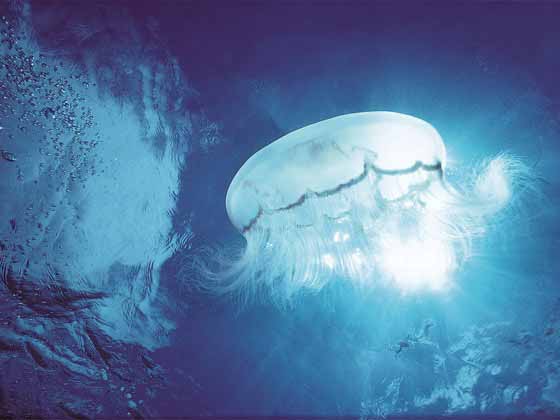
MARCH 2004 SPECIAL EDITION WARNING: Don't Head For The Beach Until You Read This! The beach beckons. Palm trees sway captivatingly. The sound of waves crashing upon the sandy shore puts you in a state of bliss. You�ve no more than taken a quick dip when suddenly blinding pain brings you crashing back to shore. What could possibly have happened? It�s very likely that a jellyfish has just stung you. Beach beauty with a bite
Jellyfish have remained simple organisms in over 600 million years of evolution, long before the dinosaurs existed. But they have complex stinging mechanisms which make them fearsome predators.
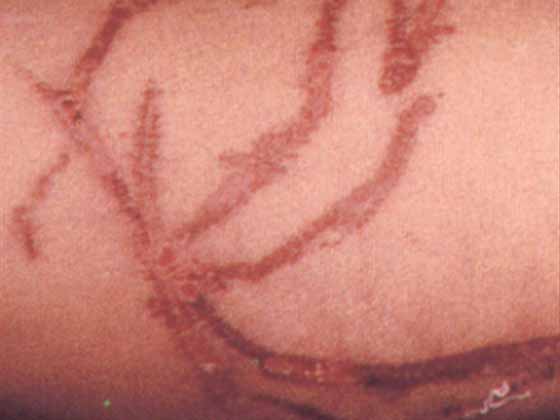
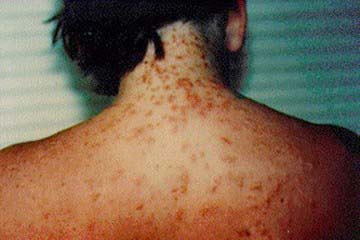
When stinging cells sense a nearby target, they release millions of tubules at an acceleration similar to a bullet fired from a gun. Like a multi-headed poisonous arrow, the tubules bury themselves into the skin. The signs of jellyfish sting include long red streaks, pain, redness, ulceration and swelling. A few unlucky bathers can develop severe allergic reactions and may even have life-threatening symptoms especially if they receive multiple stings. Sea lice Larval forms of thimble jellyfish, no larger than a fleck of black pepper, float freely throughout the ocean water. Often called sea lice, jellyfish larvae contain the same fearful poisonous stinging cells. Beach swimmers can trap thousands of these tiny floating sea lice under their suit. The stinging mechanism is triggered by pressure changes and friction.
It usually goes unnoticed at the start, but later develops into a noticeable itchy red rash. Very often, unsuspecting bathers have no idea whatsoever why they got the rashes. To avoid getting seabather�s eruption: * Do not shower with fresh water with your wet suit on; * Do not ride home in your wet suit; * Do remove your bathing suit ASAP and change into another Secrets of clownfish revealed
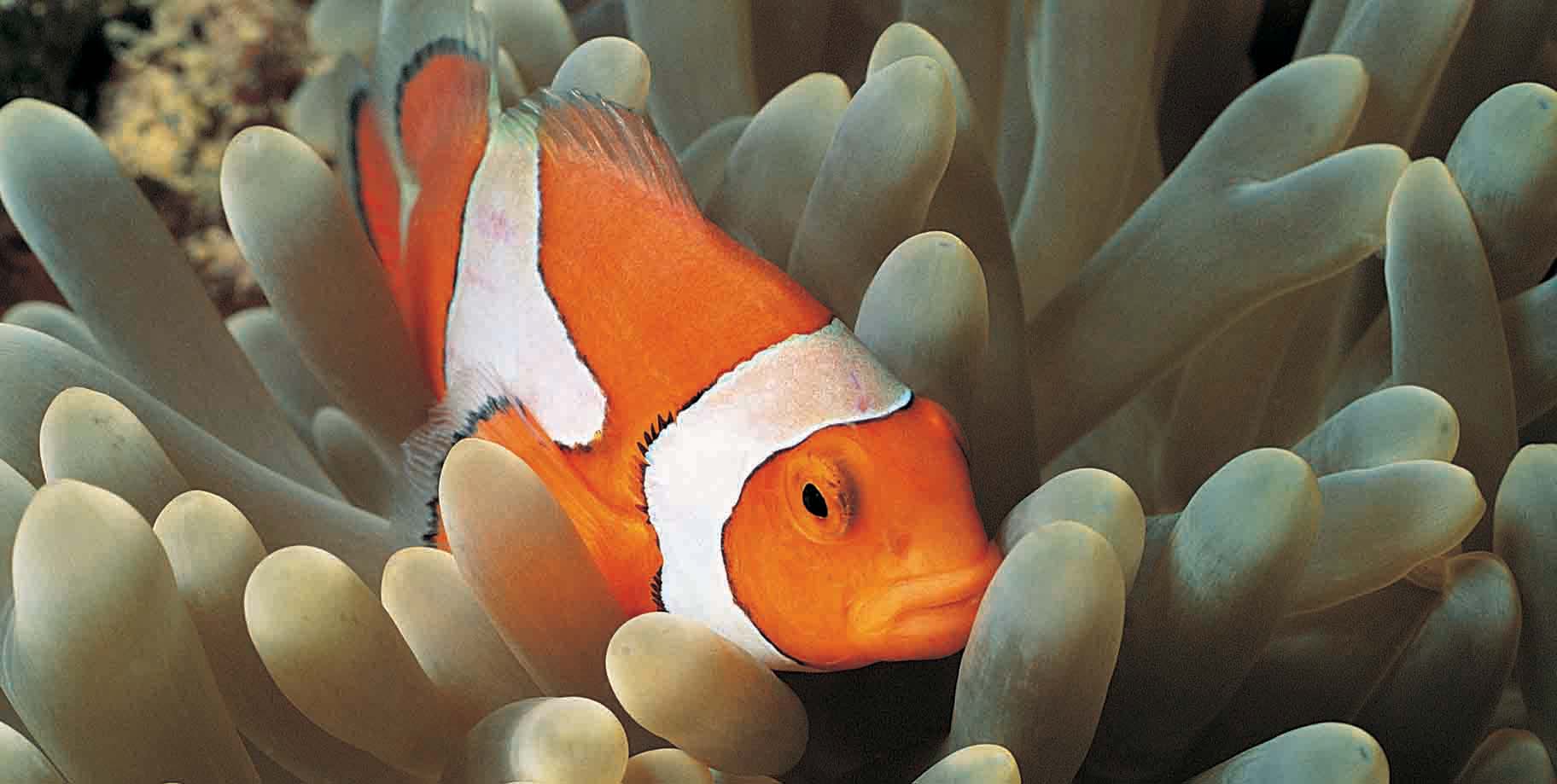
If a Clownfish can play hide-and-seek unharmed by marine stingers, why can�t swimmers? Clownfish have a protective coating that neutralizes the firing mechanism in the stinging cells. After ten years of extensive biotechnological research by Israeli scientists, it is now possible to protect yourself against the stings of most jellyfish, jellyfish larvae, coral and sea anemones.
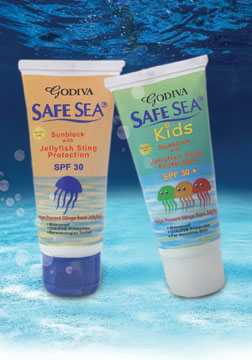
For simplicity and added benefits, Godiva Safe Sea is a 2-in-1 product with SPF 30 sun protection, or SPF 30+ for Kids. Godiva Safe Sea is a must for anyone traveling to the beach. Apply Godiva Safe Sea thoroughly. A missed spot may be stung. In waters infested with sea lice, Godiva Safe Sea should also be applied under the bathing suit. Reapply after prolonged swimming and after you have towel-dried. Make your day at the beach a truly memorable and enjoyable one. Be sure to bring Godiva Safe Sea � for full protection from jellyfish stings and seabather�s eruption.
Godiva Safe Sea is available at leading drugstores and supermarkets in the Philippines. Available SOON at Godiva online stores. For more information, e-mail [email protected] or [email protected] or visit www.nidaria.com. _______________________________________________________________________
Send your contributions, testimonials or comments/concerns to: [email protected] or [email protected]. Tell your friends about our special subscription promo. Who knows, they might be one of the 7 lucky winners per week to receive 7% OFF on their next GODIVA purchase. All lucky winners will be notified via e-mail from godivaskincare.com on the first working day of every succeeding week. The 7% discount/ prize may only be used during your next GODIVA purchase and must be availed of within 30 days from receipt of e-mail notification. You are receiving this e-mail because you subscribed to our newsletter through www.godivaskincare.com. If you do not wish to receive mail from us in the future, simply reply to this message with the word �Remove� in the subject line .
Copyright 2003 Godiva, Inc. All rights reserved
Contact us: MCPO Box 3051 Makati City Philippines 1200 Phone: (632) 890-98-45
|