 |
|
|
|
|
|
|
|
|
|
|
|
|
|
|
|
|
|
|
|
|
|
|
|
|
|
|
|
 |
|
|
|
Gnat Ranch Predator Control |
|
|
|
|
|
Where there are sheep, there are predators. It is one of those laws of nature. How the shepherd reacts to the situation is a matter of choice. We chose to prevent predation losses with a multi-layered security system to discourage hungry predators. |
|
|
|
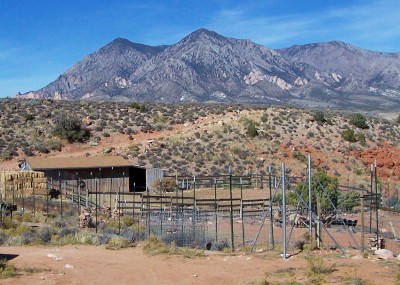
Our first layer of defense is "da fence." In reality, we have a double containment fence that is eight feet high and eight feet between fences. Two strands of barbed wire at the top of each fence discourages cougars from trying to jump over. Rocky ground discourages wild and feral canines from digging underneath. We increased the distance between the two fences on one side of the corral to 16 feet to encompass the hay stack to protect it from the occasional deer, elk, desert bighorn, buffalo, or range cow from inviting itself to dine. |
|
|
 |
|
|
|
|
|
 |
|
|
|
|
|
|
 |
|
 |
|
|
|
|
|
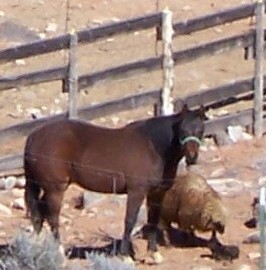
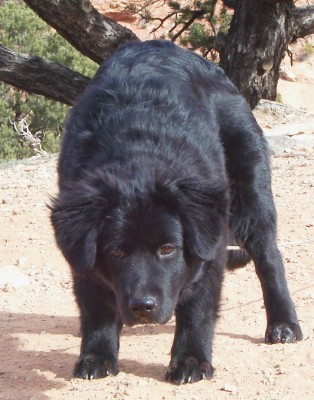
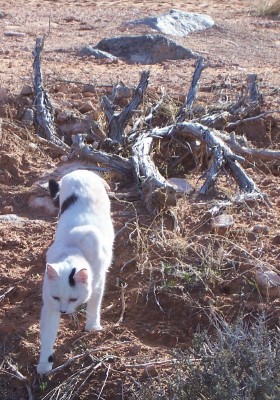
We also employe livestock guardian animals to further protect the sheep from harm. Ruby, our mustang, lives with the sheep in the corrals to discourage cougars from making a snack of our sheep. Willow, a Lab by Norwegian Elkhound, sounds the alarm if predators or strangers are approaching. Gabby and Spike, our barn cats, keep the rodents out of the feed for the sheep. It has been our observation that livestock diseases on farms and ranches are usually preceded by an increase in rodent populations. For this reason, we elevate the barn cat to a livestock guardian. |
|
|
|
Ravens are incredibly destructive birds. They will severely injure lambs if allowed to land in the corral. To discourage ravens, we hang a realistic-looking raven puppet near the corrals. The ravens think this is a dead bird and will avoid the corrals. |
|
|
|
Our last layer of defense is firearms. These are used only when the other layers fail. Not all predators are bad. If they stay away from the sheep, they are allowed to continue their existence. Besides, they do their part in keeping the rodent population down. |
|
|
|
|
|
|
 |
|
|
|
|
|
|
Home |
|
|
|