 |
|
|
|
|
|
|
|
|
|
|
|
|
|
|
|
|
|
|
|
|
|
|
|
|
|
|
|
|
|
|
|
|
|
|
|
|
|
|
|
|
|
|
|
|
|
|
|
|
|
|
|
|
|
|
|
|
|
|
|
|
|
|
|
|
|
|
|
|
|
|
|
|
|
|
|
|
|
|
|
|
|
|
|
|
|
|
|
|
|
|
|
|
|
|
|
|
|
|
|
|
|
|
|
|
|
|
|
|
|
|
|
|
|
|
|
|
|
|
|
|
|
|
|
|
|
|
|
|
|
|
|
|
|
Then and Now |
|
|
|
I would like to thank Paul Metro for permission to use his photos of Tinian during the war. You can find many more of his pictures here. I would like to thank my father, Lowell Boothe for the use of his pictures taken around 1960. |
|
|
 |
|
|
|
|
|
|
 |
|
|
|
 |
|
|
 |
|
|
|
|
|
|
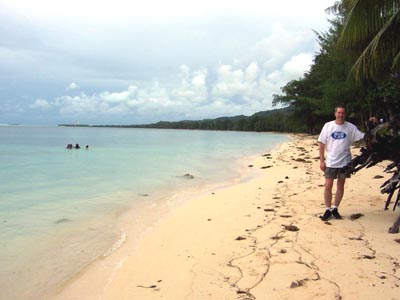
Around the same area, June 18, 2004 |
|
|
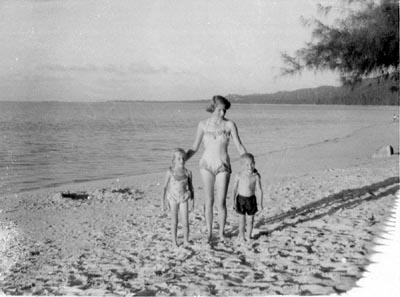
On the beach on Saipan with my mother and sister on Jan 1, 1959. |
|
|
|
|
|
|
|
|
|
|
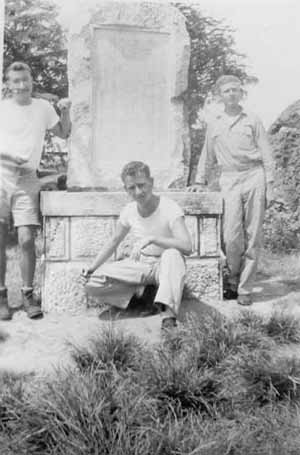
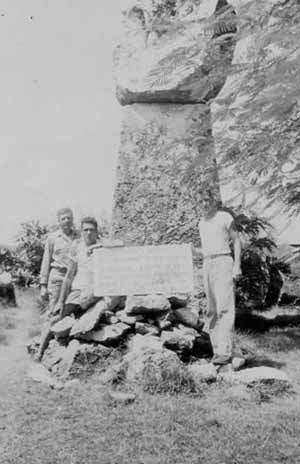
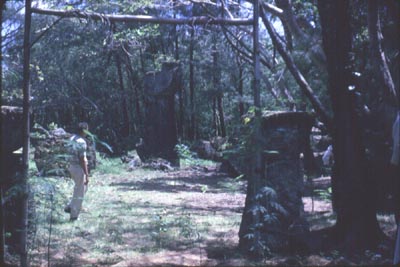
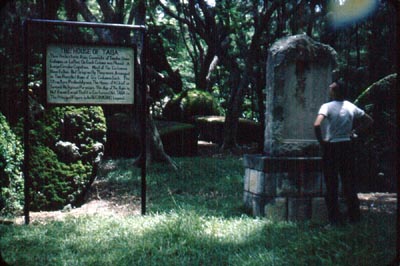
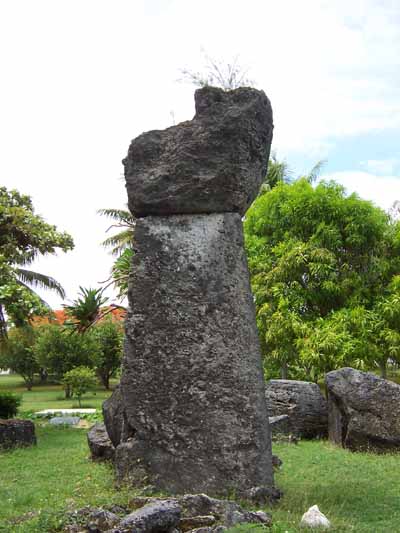
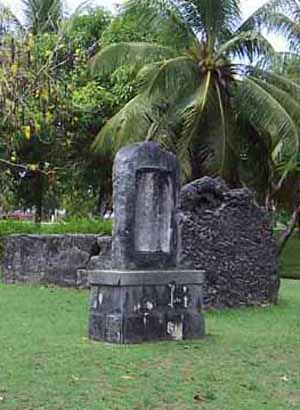
House of Taga - Latte stones in the ancient Chamorro site in San Jose (Tinian Town.) |
|
|
|
 |
|
|
 |
|
|
|
|
1945 |
|
|
|
|
|
|
|
|
|
 |
|
|
|
 |
|
|
|
|
|
1959: The jungle has taken over. |
|
|
|
 |
|
 |
|
|
|
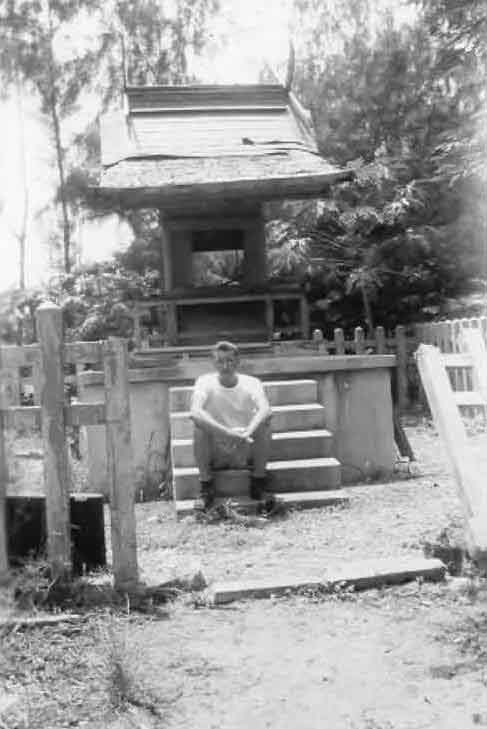
2004: The site has been cleared and is nicely maintained. |
|
|
|
|
|
|
|
|
|
|
|
|
|
 |
|
|
|
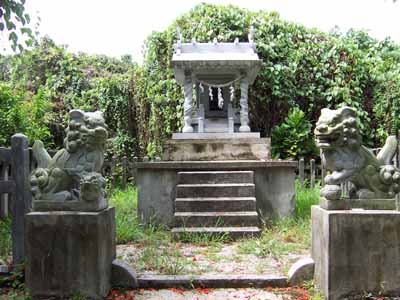
Tinian Shinto Shrine - Is this the same shrine in both pictures? There are differences, but the site has undergone extensive restoration work. |
|
|
|
|
|
 |
|
|
|
|
|
1945 |
|
|
|
2004 |
|
|
|
|
|
|
|
|
|
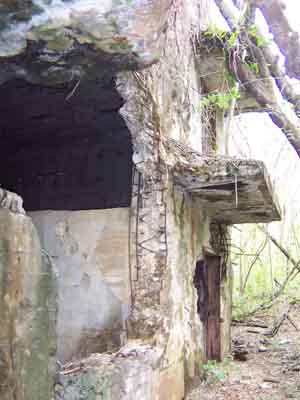
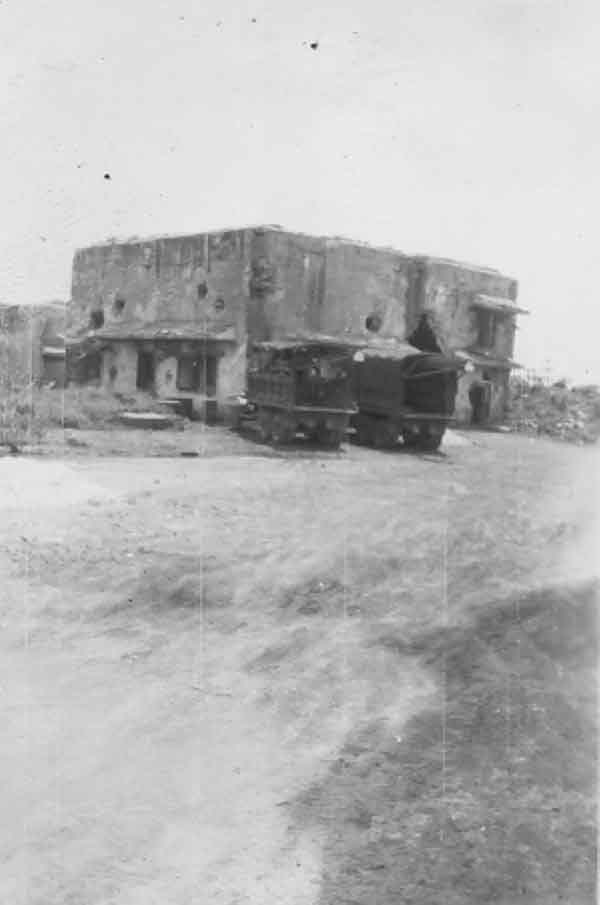
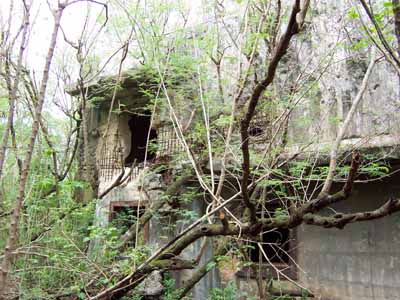
Old Japanese Power Plant on Tinian. Like many areas on Tinian, this is only accessible by a footpath through the dense vegetation. |
|
|
|
 |
|
|
 |
|
|
|
|
|
|
 |
|
|
|
|
|
|
|
|
|
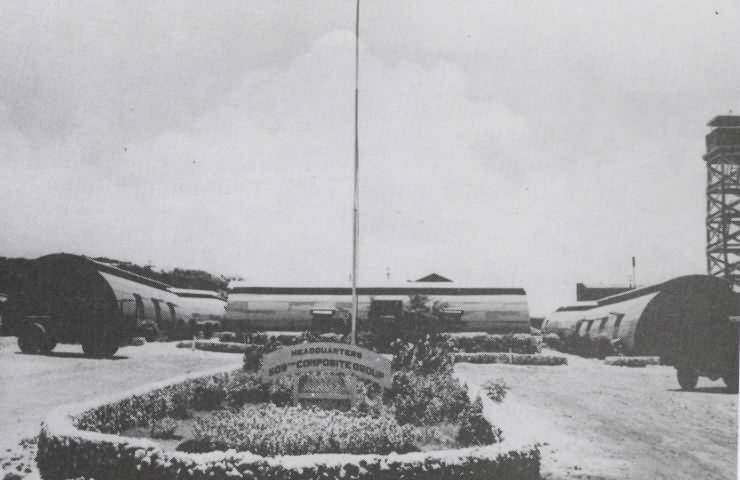
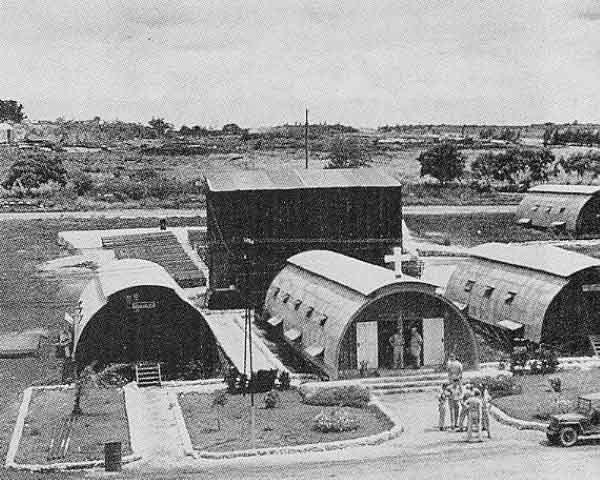
509th Composite Group area on Tinian |
|
|
|
 |
|
|
|
 |
|
|
|
 |
|
|
|
|
Base of the the tower visible on the far right of the photograph above. |
|
|
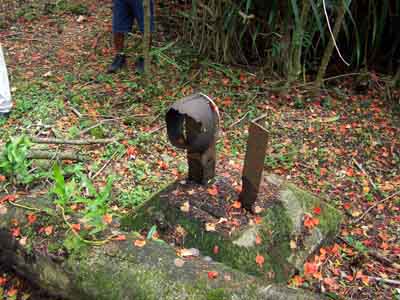
Oval planter in front of the 509th headquarters area. |
|
|
|
|
|
|
 |
|
|
|
 |
|
|
|
|
|
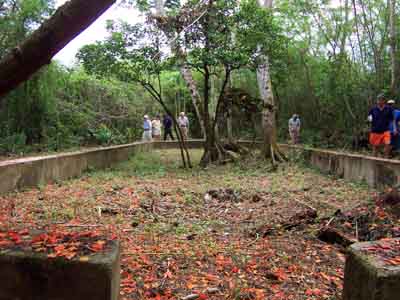
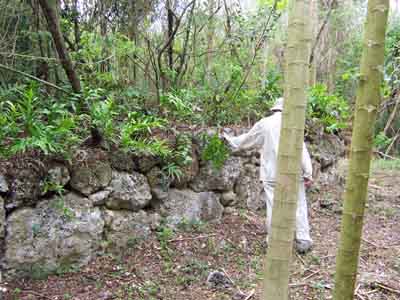
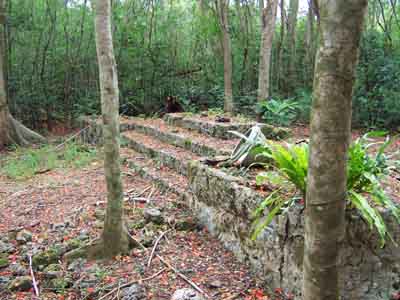
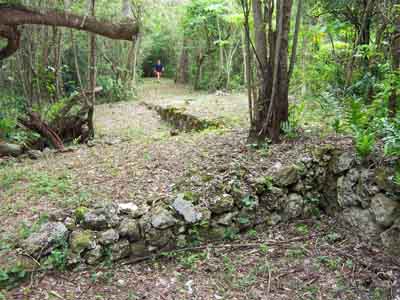
The rock wall and ramps in these pictures were part of the outdoor theater, behind the chapel in the 1945 photograph to the left. The ramps in the picture below are just to the right of the cross in the 1945 photograph. |
|
|
|
|
 |
|
|
|
|
 |
|
|
|
|
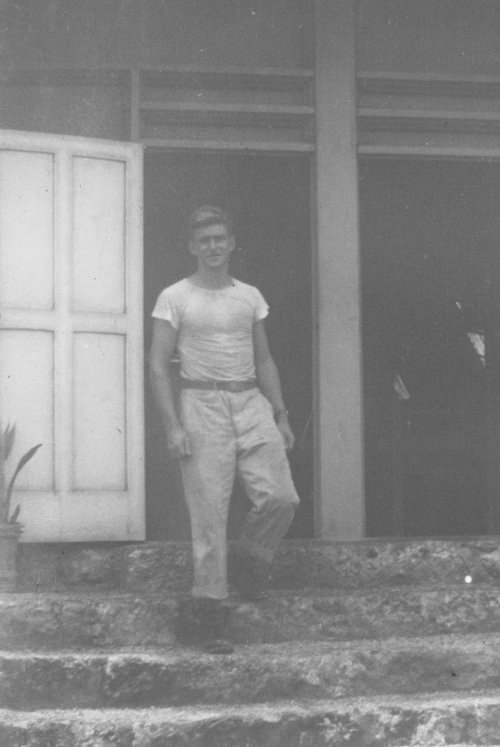
The steps to the chapel, shown in the 1945 photos above and below. |
|
|
|
|
|
 |
|
|
|
|
|
|
|
|
|
|
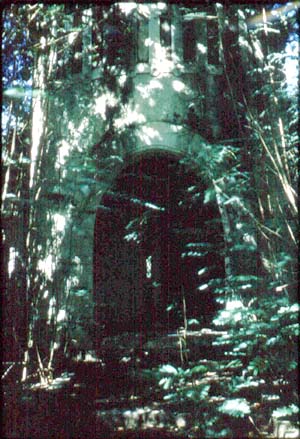
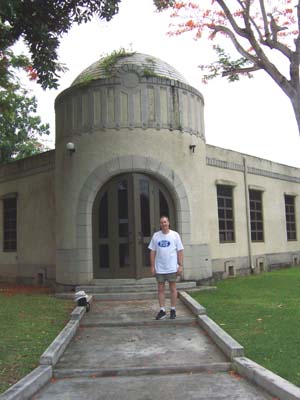
Old Japanese hospital on Saipan. Now housing the CNMI Museum, the old hospital stood empty and overgrown at the time we lived on Saipan. |
|
|
|
 |
|
|
|
 |
|
|
|
|
|
2004 |
|
|
|
|
1960 |
|
|
|
|
|
|
|
|
|
|
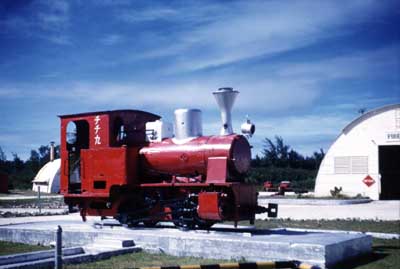
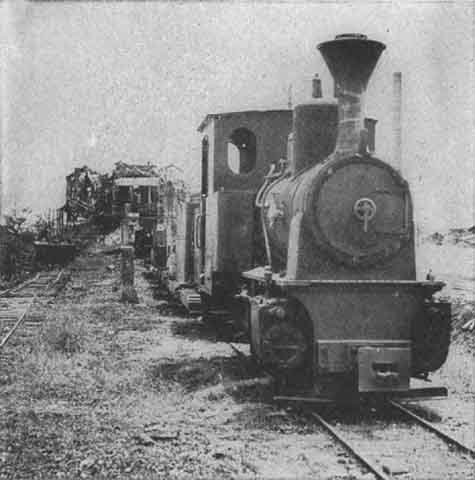
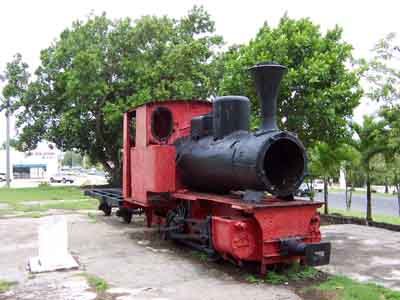
Japanese steam engine Used to haul sugar cane before the war. Put on display in 1945 in front of the fire station on the Lower Base, it stands today in Sugar Cane Park. |
|
|
|
 |
|
|
 |
|
|
|
|
|
|
1960 Lower Base fire station |
|
|
|
|
|
 |
|
|
1944 By the ruins of the sugar mill. This may or may not be the same engine. |
|
|
|
|
|
|
2004 Sugar Cane Park |
|
|
|
|
|
|
|
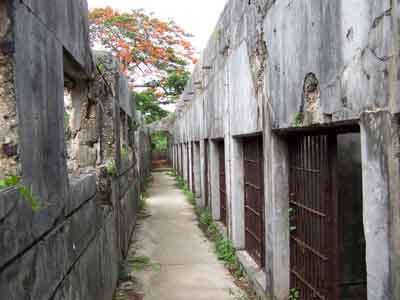
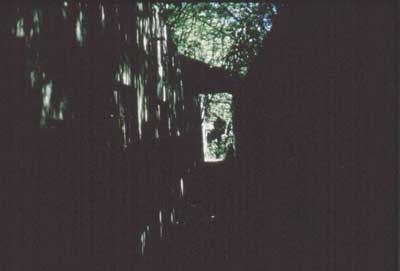
Old Japanese jail on Saipan. This is where some people believe Amelia Earhart was held by the Japanese. |
|
|
|
 |
|
|
 |
|
|
|
|
1960 |
|
|
|
2004 |
|
|
|
|
|
|
|
|
|
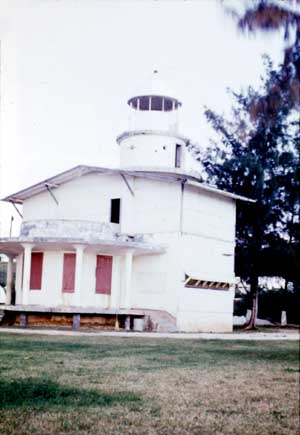
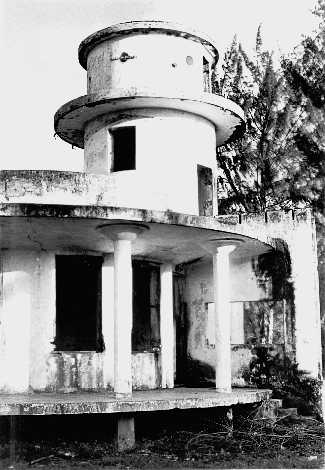
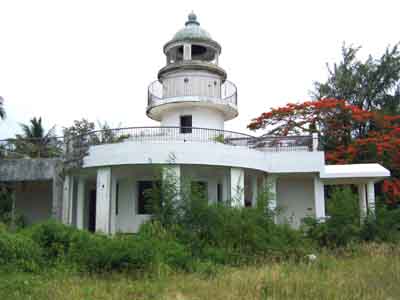
Japanese lighthouse, Navy Hill, Saipan |
|
|
|
 |
|
|
|
This is how the lighthouse looked when we lived on Navy Hill. To the kids, it was kind of a spooky place. We used to play around the area all the time, but we never went inside. |
|
|
|
|
|
 |
|
|
|
|
This photo was taken at some point after we moved from Saipan, probably around 1970. The wooden structure and top were gone, probably destroyed by Typhoon Jean in 1968. That was the typhoon that wrecked the adjacent housing area where our old quonset was, and many other structures on Saipan. |
|
|
|
|
|
 |
|
|
|
|
|
|
2004-The building was remodeled and operated as a restaurant for a time. It stands empty again. |
|
|
|