 |
|
|
|
|
|
|
|
|
|
|
|
|
|
|
|
|
|
|
|
|
|
|
|
|
|
|
|
|
|
|
|
|
|
|
|
|
|
|
|
|
|
|
|
|
|
|
|
|
|
|
|
|
|
|
|
|
|
|
|
Guam Part 2 |
|
|
|
 |
|
|
|
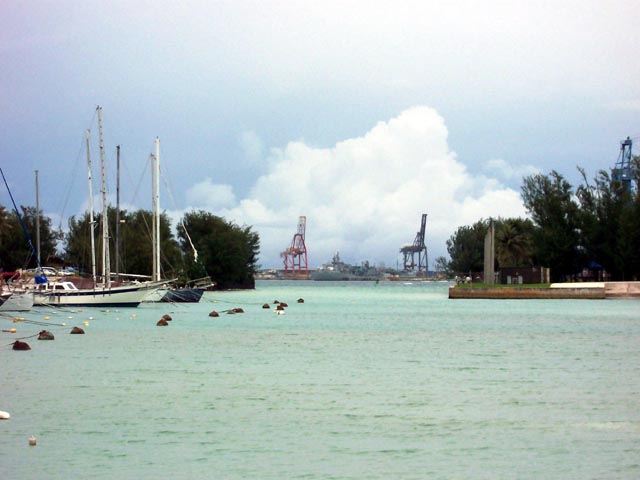
Our next stop was the Navy base. We were lucky to get there as the tour has not been allowed on the base for the last two years due to heightened security. |
|
|
|
|
|
 |
|
|
|
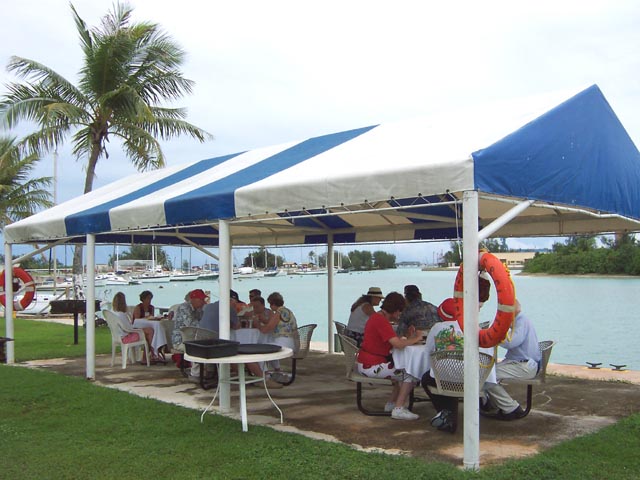
We had lunch by the harbor where the passengers used to arrive by boat from the Pan Am Clippers. It is now used as a marina. |
|
|
|
|
|
 |
|
|
|
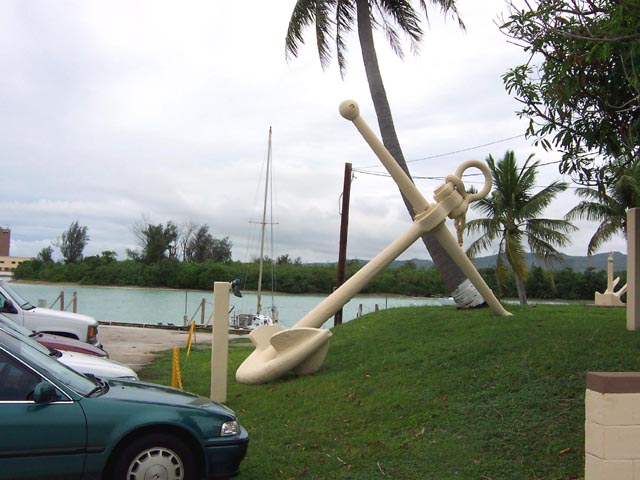
An anchor that was salvaged from a Japanese ship sunk off Saipan. |
|
|
|
|
|
 |
|
|
|
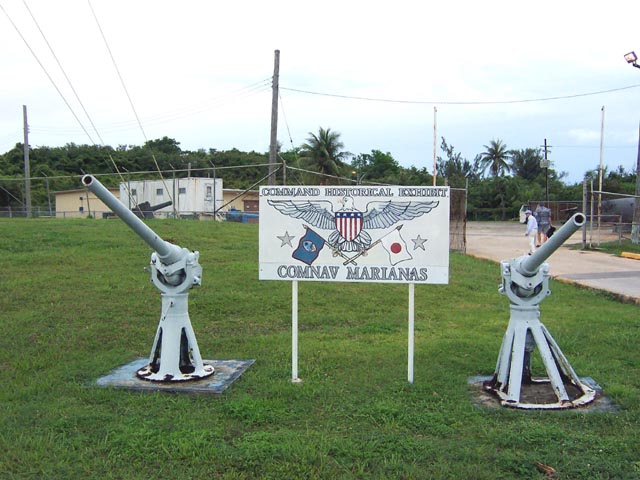
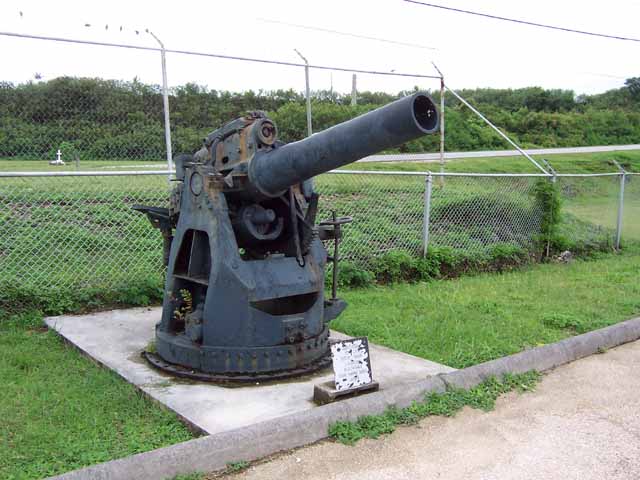
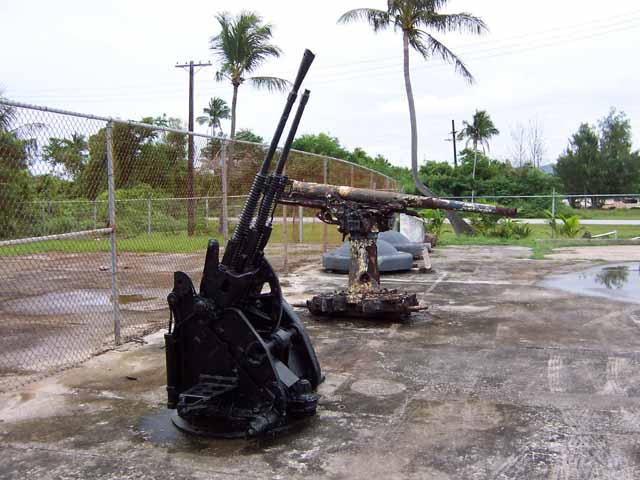
They have a very nice little museum on the base. |
|
|
|
|
|
 |
|
|
|
 |
|
|
|
|
|
 |
|
|
|
 |
|
|
|
|
|
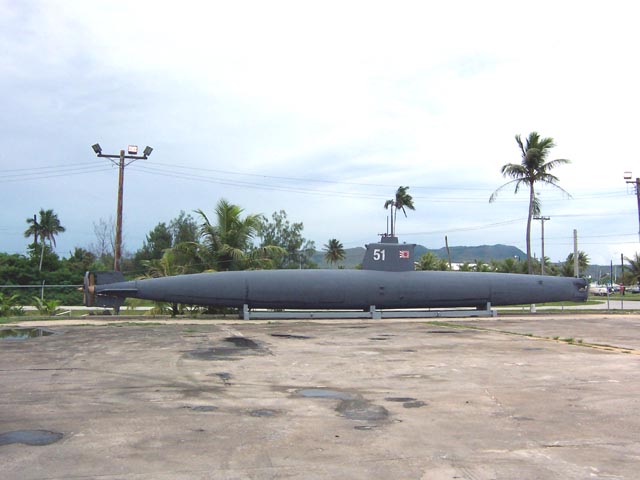
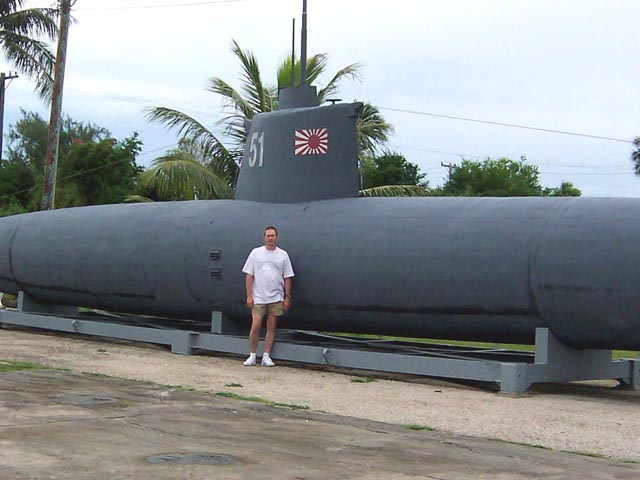
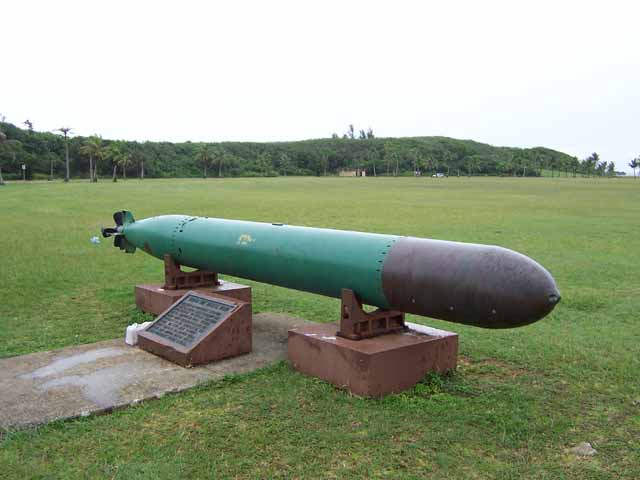
The museum has a real rarity, a Kaitan Japanese miniature submarine. |
|
|
|
|
|
 |
|
|
|
 |
|
|
|
|
|
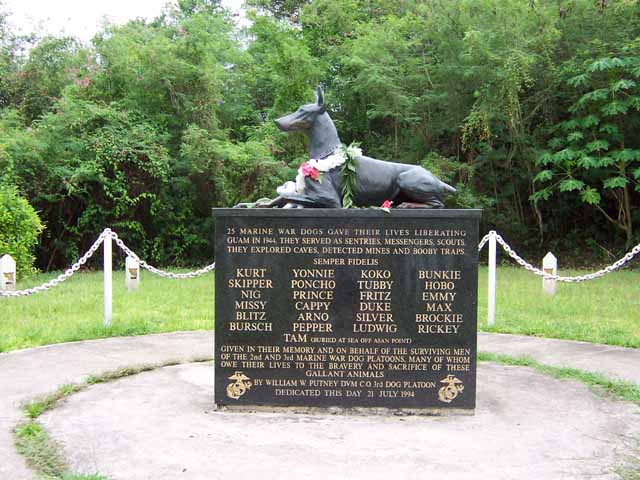
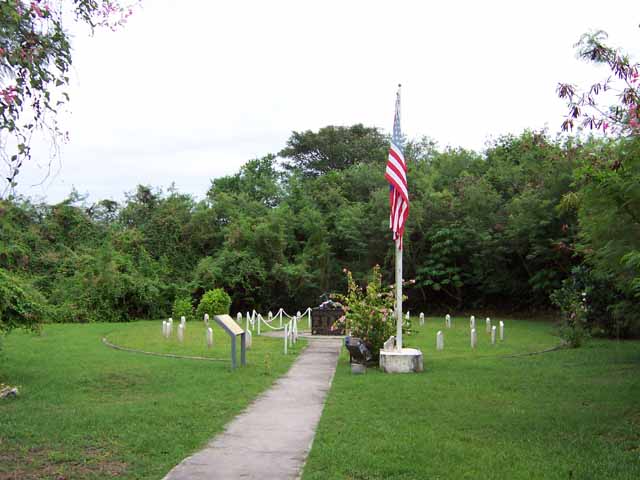
Memorial to the 25 Marine War Dogs that died in the battle for Guam. |
|
|
|
|
|
 |
|
|
|
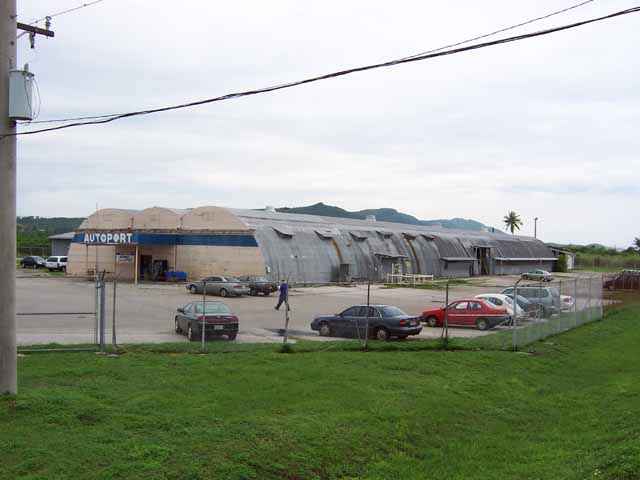
One of the few remaining quonsets on Guam. Large numbers of these were built on the islands during and after the war and they were still a dominant architectural feature when I lived there. I was saddened to learn that this one is scheduled to be demolished in the near future. |
|
|
|
|
|
 |
|
|
|
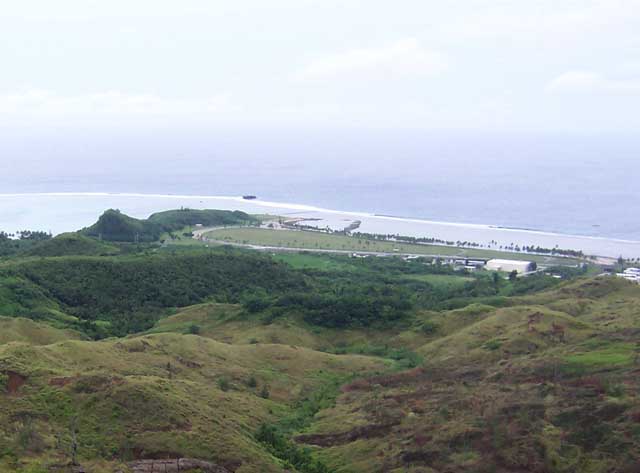
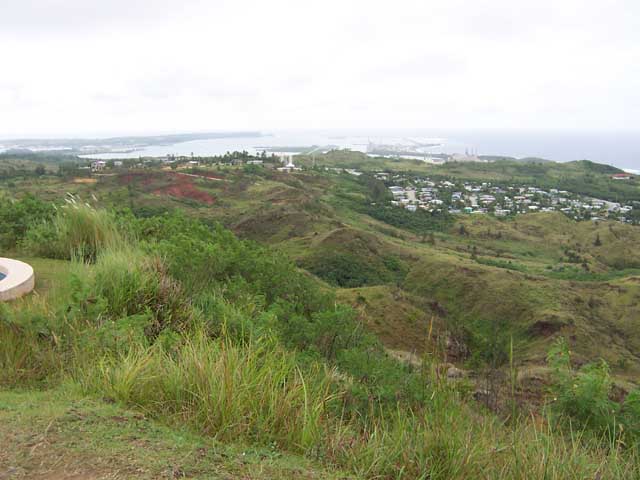
Asan Bay overlook. This area has a great view of the beach and shows how vulnerable the Marines landing here were to the Japanese up in these hills. |
|
|
|
|
|
 |
|
|
|
Looking toward Orote Point and the Navy Base. |
|
|
|
|
|
 |
|
|
|
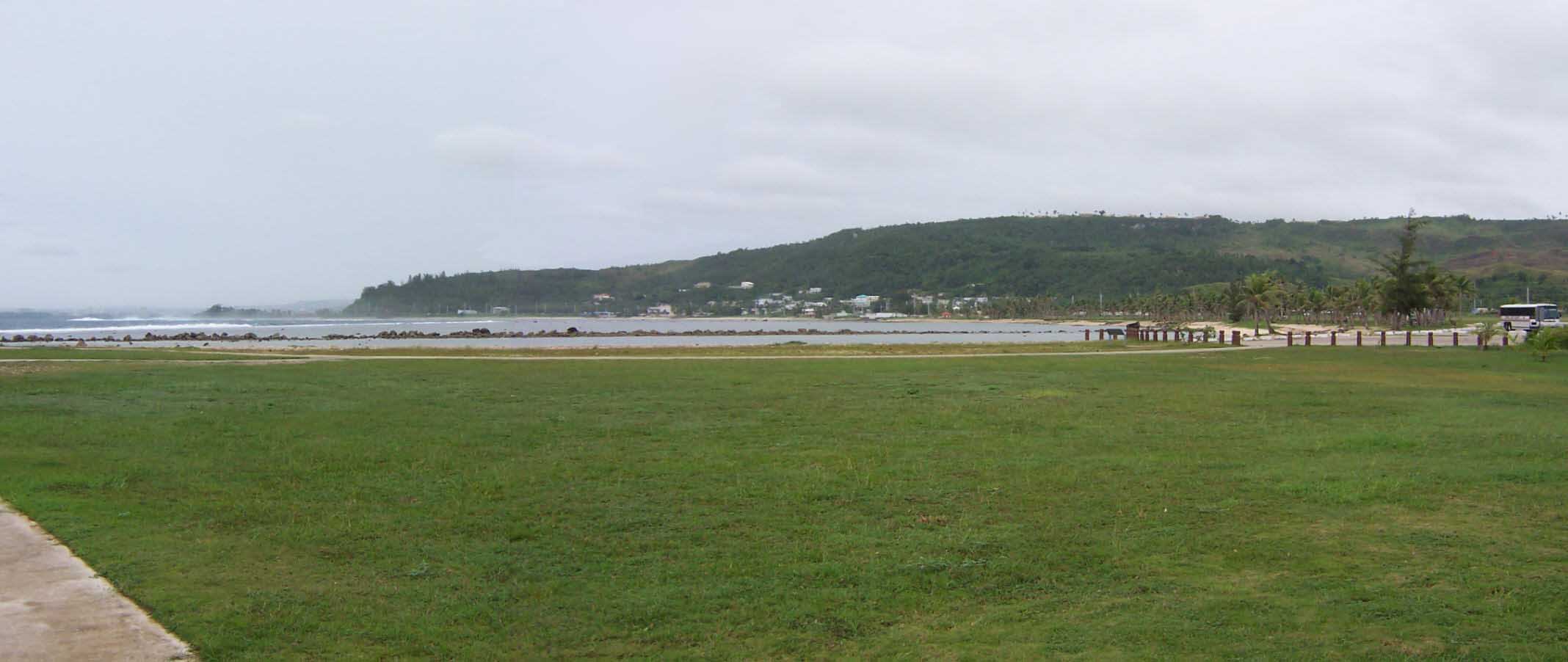
Asan Bay |
|
|
|
 |
|
|
 |
|
|
|
|
|
|
 |
|
|
|
|
|
 |
|
|
|
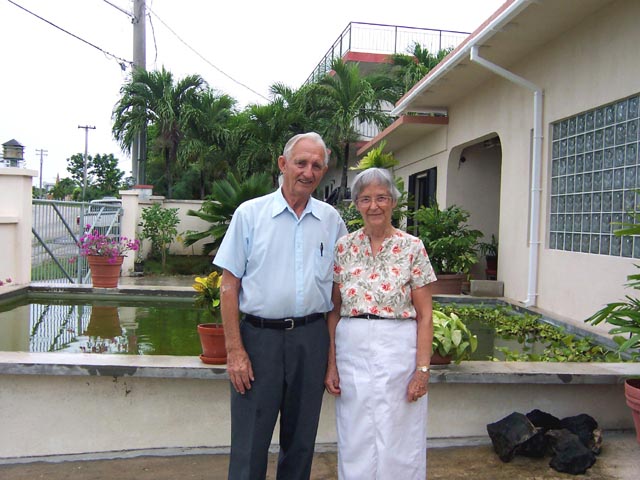
While on Guam, I had the chance to visit with Edmund and Elizabeth Kalau. My family attended Rev. Kalau's church on Yap when we lived there. They have been in Micronesia since the mid 1950's and are still very active in their ministry there. It was a great way to end the tour. |
|
|
|
|
|
Back to main page |
|