|
Home | Archive | Links | Join Discussion! | Send Message | About CellNEWS |
 |
|||
|
Isolation of the first domestic hESC line in Japan. Tuesday, 03 June 2003
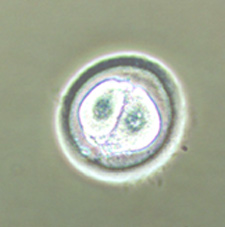
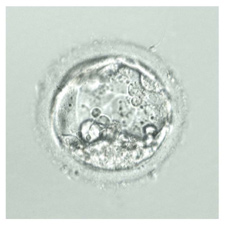
"It is necessary to have human ES cell lines established in Japan from the start, in closely controlled conditions and protocols, for assurance of the cell quality and preparation for future clinical application." "Also, we distribute the cells free-of-charge and no claim of right for future patent and licensing, so that the user can carry out their research more freely," he said. "The only regulation is that their research plan to use human ES cells must be approved by government committee’s. These procedures are all prescribed in the Japanese government guidelines for establishment and usage of human ES cells." The group was very successful in their attempts to grow human stem cells. This, Prof. Nakatsuji explains, could not have been done without their previous experience isolating and growing ESCs from cynomolgus monkey’s (Macaca fascicularis) — known as the crab-eating monkey with a more common name. "So far, we could use less than ten frozen embryos of middle or lower grades because they were left over from infertility treatment. Of those, only two embryos started cell division after being thawed and cultured," Prof. Nakatsuji said.
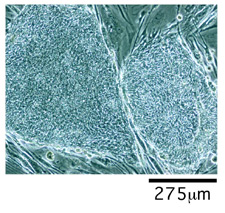
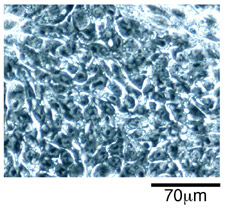
"Of these two, only one reached the blastocyst stage, which fortunately resulted in one ES cell line." "It had been impossible without our experience and method improvements using cynomolgus monkey blastocysts from which we have produced about 10 ES cell lines. Without it, it should have been impossible to establish one ES cell line from only one blastocyst that we have been able to use so far." "Naturally, we will continue to produce more lines by using more frozen human embryos, which we can use in the coming weeks. Human ES cells are similar to monkey ones, but there are minor differences, so that we had to modify a little in the sub-culturing and freezing procedures."
"We plan to try to do so (grow hESC’s) with human feeder cells or without them in near future," says Prof. Nakatsuji. When CellNEWS ask Prof. Nakatsuji what is the plan for the nearest future with these hESC lines, he outlines three points:
Read more about Japan's Stem Cell Research here. L. Ed. CellNEWS 03-05-30 |
|
^^ Back to top | Home | Archive | Links | Join Discussion! | Send Message | About CellNEWS |
|
|
|
|
