Born on May 9, 1921, she had a well-off childhood, attending school and practicing Lutheranism. Throughout her childhood, she was surrounded by politically-charged people, mostly anti-Nazi. This influenced her beliefs and also her choice in friends. Her father was not known for his political loyalty to the Nazis. In 1937, her brothers and some friends were arrested for taking place in the German Youth Movement. As a teen, she joined the Hitler Youth. Her participation in the White Rose did not come until several years later. She graduated from high school and studied to become a kindergarten teacher. She was assigned to six months of war service which is sometimes considered to be the start, or at least the awakening, of her vivid political views.
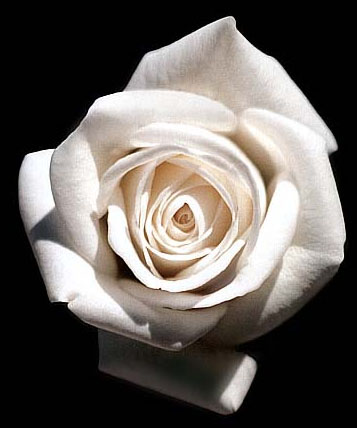
In June 1942, her brother Hans Scholl formed the White Rose, an organization bent on spreading the view that the Nazis had taken advantage of the German people and had turned evil. The White Rose used anonymous pamphlets, both mailed and placed around, and graffiti to send their message across: reinstate democracy and social justice. They also painted out swastikas. All these brave young men and woman were doing something for what they believed in: freedom.
In February 1943, Sophie and Hans, both students at the University of Munich at the time, decided to spread their pamphlets on campus by placing them around where students leaving their classes could find them: up and down corridors in front of the classrooms and such. Right when the bell rang, Sophie shoved a stack of the pamphlets off a landing, causing papers to go flying down into the atrium of the University. Unfortunately, the janitor spotted them and turned them into the Gestapo.
Sophie and Hans were taken to a government facility to be questioned. Hans confessed. Sophie did not confess until she saw that Hans confessed. Sophie's investigator, Robert Mohr, tried to reason with her: give him more names of the members involved with the White Rose, and she would be let off easier. To no avail. She would not sacrifice her friends for a more lenient punishment. Ironically, after searching her home the officials came up with enough evidence to incriminate (not much was needed) the other members of the White Rose.
The trial was swift. Led by Roland Freisler, infamously notorious for planning the verdict before the trial, Sophie, Hans, and their friend Christoph Probst were all considered guilty of treason and sentenced to death by guillotine. Even through all this mess, Sophie did not falter. She prayed to God, and when her parents came to visit one last time, she did not cry. She smiled. A prison guard saw the faith and strength the three condemned had in each other and in their ideals that, against protocol, they allowed for the three of them to meet one last time and share a smoke. They were executed later that day by guillotine.
Throughout the entirety of this arduous process and disappointing end, Sophie stayed strong. As she was thrown deeper and deeper into this rabbit hole of corruption and absolutism, she still shone bright arguing for freedom of the German people, and the stopping of any more ethnic cleansing. Even though she knew that the death sentence was probable, she did not break down to the Nazi ideal, but, rather, used the public trial as a means to spread her message to all those present in hopes that they would agree and spread that message out to others. Sophie Scholl is an example to us all of someone standing up for what they believe in, no matter if the cost is their life. She stayed faithful to her friends and her beliefs and she stayed Faithful in God. She truly believed that the Nazi regime was not the right way and that it would fall some day.
Her final words were, "The sun still shines."
Links:
Sophie Scholl: Wikipedia
The White Rose: A Lesson in Dissent
Sophie Scholl: The Final Days (2006)
The Life of Sophie Scholl
The White Rose: The People, the Pamphlets, and other Resources
