| Holden Prototypes & Show Specials |
|||||||||||||||||||||||||||||||||||||||||||||||||||||||
| Back to my homepage | |||||||||||||||||||||||||||||||||||||||||||||||||||||||
| General Motors' Holden was always a small manufacturer, with little spare money for research and development. A combination of economies of scale and a certain aloofness within GM's US headquarters dictated that it would remain so. Show-stealing specials were not encouraged and thusly not funded, perhaps for fear of taking limelight away from the parent company. Insane, considering that Chevrolet only had what could be best described as a minute presence in the Australian marketplace. By the end of the 1960's Holden no longer marketed any Chevrolets in Australia, as the Brougham and later the Statesman luxury models were intended to take over from the Fisher-bodied Impala and Pontiac Parisienne. | |||||||||||||||||||||||||||||||||||||||||||||||||||||||
| But the Holden R&D team was full of Aussies, and Aussies will make do with whatever resources come their way. I'm sure the tales of those who worked in the skunkworks and behind closed doors could fill an entire book, and the cars that didn't see the light of day would make any Holden enthusiast dream of what the world would be like if they had hit the road. | |||||||||||||||||||||||||||||||||||||||||||||||||||||||
| This section is a small tribute to those cars that were only seen on static show stands, if at all.... | |||||||||||||||||||||||||||||||||||||||||||||||||||||||
| My apologies for the quality of some of these photos. Links to larger photos as permitted. | |||||||||||||||||||||||||||||||||||||||||||||||||||||||
| 1953 FJ station sedan prototype | |||||||||||||||||||||||||||||||||||||||||||||||||||||||
| Holden always had plans to introduce a station sedan (what Australians now call 'wagon') into the small model line up. However, given the rural nature of Australia in the early 1950s, the panelvan and utility versions of the 48/215 (FX) and subsequent FJ were given preference in development time and resources. This single prototype, unglamorous as it is, was the only FJ wagon constructed. It still exists in the hands of a private collector. When the FJ model was replaced with the substantially different FE model, a full range of body styles were made available. |
|||||||||||||||||||||||||||||||||||||||||||||||||||||||
![]() |
|||||||||||||||||||||||||||||||||||||||||||||||||||||||
| 1965 EF sedan prototype | |||||||||||||||||||||||||||||||||||||||||||||||||||||||
| I found this picture of a 1965 Holden EF model prototype, and am embarrassed to say that I have no real idea what it is - I've never heard of it. It appears to have definite visual similarities with the Vauxhalls of the era, as well as the Opel Kapitan. The roofline appears quite close to that of the 1962 EJ and it's successor the wildly-successful 1963 EH. HOLDEN is displayed quite clearly across the front lip of the bonnet. Perhaps this was a design study considered to replace the EH, but was found not to be necessary due to it's huge sales in such a short span of time. The EH was eventually replaced with the less-than-loved HD model, which featured all-new styling, rather a facelift. Click on the picture for a rear view of the EF Holden |
|||||||||||||||||||||||||||||||||||||||||||||||||||||||
![]() |
|||||||||||||||||||||||||||||||||||||||||||||||||||||||
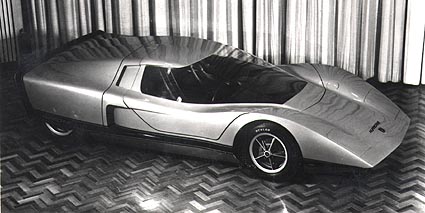
| 1969 RD001 Hurricane | |||||||||||||||||||||||||||||||||||||||||||||||||||||||
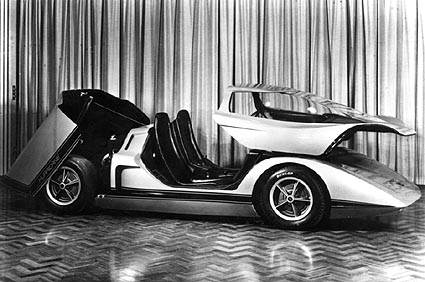
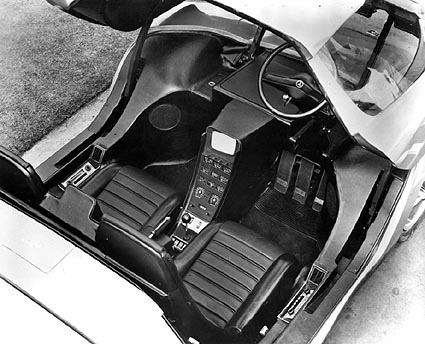
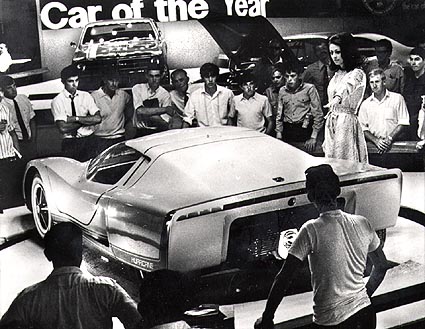
| This is perhaps the most dramatic view of the Holden Hurricane, model designation RD001 (Research & Development vehicle 1 - and still 1 of 1 after all this time). This car was developed to showcase many improvements and innovations that were to be introduced to mainstream Holden models over time. Most importantly, it contained a working model of Holden's new V8, in 4.2 litre form. Other firsts for the Hurricane were a closed-circuit TV rear-view mirror, immobiliser, alloy wheels and sequential indicators. While being a working prototype and R&D vehicle, the car's beautiful shape and build quality enabled it to draw quite a crowd at the motor shows of the day! Behind is a display showcasing Wheels Magazine's Car of the Year 1969 - the Holden Monaro. Produced in a vibrant orange, the car now resides in Holden's Melbourne headquarters. Sadly, it has been repainted an unremarkable while, with 15" steel wheels and 1986 VL Commodore wheelcovers. |
|||||||||||||||||||||||||||||||||||||||||||||||||||||||
| Side view - doors closed | |||||||||||||||||||||||||||||||||||||||||||||||||||||||
| Side view - doors open | |||||||||||||||||||||||||||||||||||||||||||||||||||||||
| Interior | |||||||||||||||||||||||||||||||||||||||||||||||||||||||
![]() |
|||||||||||||||||||||||||||||||||||||||||||||||||||||||
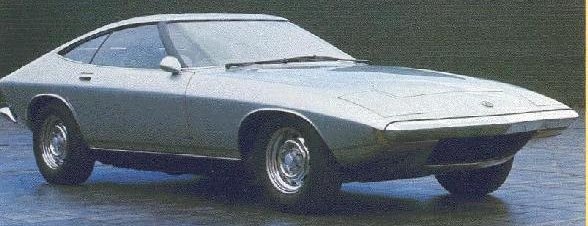
| 1969 Torana GTR-X | |||||||||||||||||||||||||||||||||||||||||||||||||||||||
| The Holden Torana GTR-X is without a doubt the most revered and hallowed of all the Holdens that never were. It was to be Australia's first sports car. It was to be Australia's first car with four-wheel disc brakes. It was to be Holden's first hatch-coupe, and without a doubt, it would have been a Bathurst bullet, able to clinch Australia's premier touring car race with ease. Instead, it became a victim of the soullessness of accountants and bean counters. They surmised that the GTR-X would need to be produced for at least 10 years for Holden to make reasonable money on it. And with a projected release date of 1973, it was just going to be too much. Little did they know that the design would have remained fresh and appealing for many years after its competitors, such as the Datsun 240Z, had moved into a different class of car - away from the affordable sports hatch and into lazy grand touring. They said the market wasn't right for a sports car. Then, when the similarly-specced Datsun was released and sold well, Holden were convinced they couldn't compete. Although few moves were in place to actually begin manufacture, orders were being taken and brochures were printed when Holden pulled the plug. Reports vary on how many were produced. Certainly three bodyshells were made. The car in the photos was fitted with an LC-model Torana-spec GTR-XU1 engine, a 2850cc six with triple-Stromberg carburettors and a high-lift camshaft. While the chassis was similar to that of the LC-Torana, the body shell was a resin-filled fibreglass unit, with an integrated roll cage. Every line from the chrome-tipped, shark-like nose, to the under-bumper airdam to the roofline that just melts away into the tail, the car screamed FAST. |
|||||||||||||||||||||||||||||||||||||||||||||||||||||||
| With GTR-X striping along the sills, and black steel LC GTR-XU1 rims and chrome trimmings, it would have been THE status car of the 1970s. Rumours abound about the fate of the second bodyshell. Some say it was never finished, while others believe it was fitted with the 253ci (4.2 litre) version of Holden's V8 engine. Scarily, if the 253 fit, then so would the 308 (5.0 litre) as their dimensions were identical. Was it crashed in testing? Was it barrier crashed? Or was it never complete? Perhaps we will never know the true story. The third bodyshell remained at Holdens for some time, but is believed to have been in the hands of a private owner for many years now. Rotting away in a shed? Or in a state of restoration, waiting to slice through the air once again. Time will tell... The only complete GTR-X is now housed at the National Motor Museum, in the town of Birdwood, South Australia. No longer in original trim, the GTR-X is now silver and sports upmarket UC-model Torana SL/E 13" alloy rims, although it is known to have had chrome steel Torana wheels with plastic UC-base model centre caps as well. Restored, albeit not faithfully, I have lost count of the amount of times I have stood by it at the Museum, dreaming of driving it, dreaming of owning not that one, but one of the many hundreds Holden should have built... but didn't. |
|||||||||||||||||||||||||||||||||||||||||||||||||||||||
| left: GTR-X Torana wearing chrome wheels. | |||||||||||||||||||||||||||||||||||||||||||||||||||||||
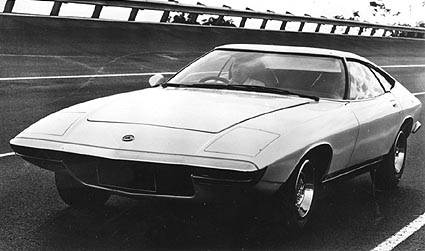
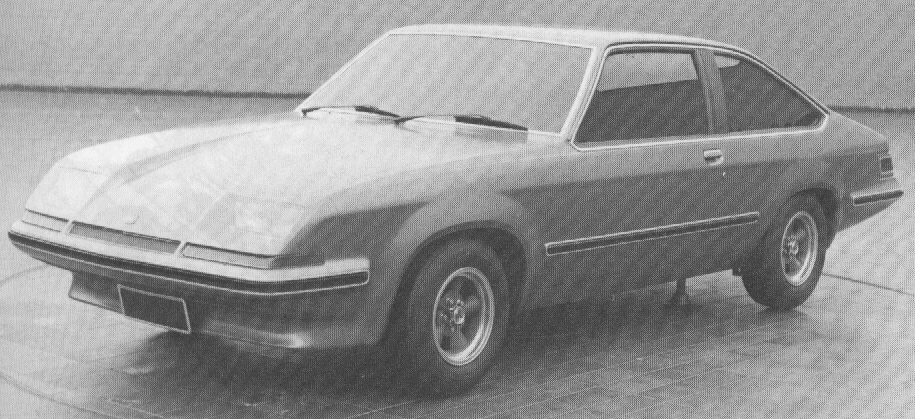
| General Motors more than dabbled with Felix Wankel's Rotary engine concept; they built an entirely new engine plant in the US to produce the 'revolutionary' design. However, the 1970's were not a good time for rotary engines. Their thirst for petrol, coupled with the inherent sealing and durability problems spelled an end to most manufacturers rotary efforts. It brought German niche manufacturer NSU unstuck, who were bought by Audi, and almost saw the demise of Mazda, who now produce powerful, reliable versions of the engine. Holden's solitary rotary (aside from the Mazda-constructed Roadpacer) was an interesting vehicle. Dubbed, "The Green Lizard", it takes styling cues from Vauxhall and Opel's sports range, and has what appear to be US-influenced tailights. |
|||||||||||||||||||||||||||||||||||||||||||||||||||||||
| 1974 Torana Rotary - aka The Green Lizard |
|||||||||||||||||||||||||||||||||||||||||||||||||||||||
| The doors and glasshouse area, including the rear-quarter glass, all appear lifted from Holden's forthcoming LX-model Torana hatch-coupe, but the overall flavour is that of a Chevrolet Monza. The GM-Rotary engine fitted to the Green Lizard was hand-constructed pilot engine similar to that which was to be built at the purpose constructed plant. Alas, it was not to be. The coatings of the rotors were found to be unreliable, and the car, regardless of it's rotary/non-rotary status, was never produced. It's a shame GM got adept at letting cars like this slip through it's corporate fingers, as the integrated bumpers and overall smooth shape were far in advanced of it's time. |
|||||||||||||||||||||||||||||||||||||||||||||||||||||||