Edible Garden Flowers

Tropical Hibiscus (Hibiscus rosa-sinensis) flowers and leaves are nutritious favorites of many tortoises. This large evergreen shrub may reach 15 feet at maturity and requires frequent, deep waterings for best performance. It also requires some protection from hot afternoon sun in the warmer inland areas. Many flower colors are available, from white through yellow and pink to orange and red.
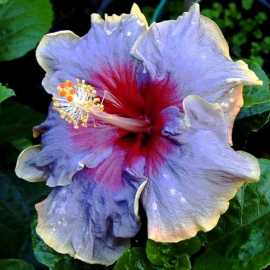
Blue Hibiscus (Alyogyne huegelii) is in the same family as the Tropical Hibiscus. It requires full sun, grows well in less-than-perfect soils, and is quite drought tolerant once established in the garden. Blue Hibiscus is an evergreen shrub which reaches a height of 5-8 feet at maturity. Its lilac blue flowers are relished by many tortoises.
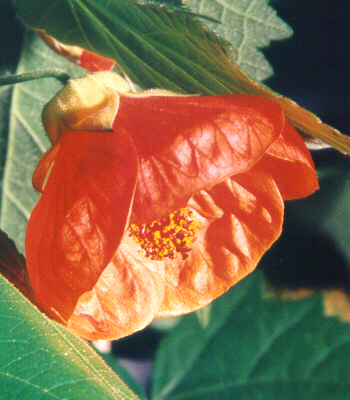
Chinese Lantern (Abutilon hybridum) has flowers which many tortoises find delectable. This evergreen shrub grows at a moderate rate and requires regular watering for best appearance and flower production. It reaches a height of 8 to 10 feet with an equal spread at maturity. Flower colors include white, pink, yellow, red and several bi-colors.

Rose (Rosa species) blossums are enjoyed by tortoises. Floribunda roses produce masses of flowers, stay a manageable size and are often more pest- and disease-resistant than Hybrid Tea roses (the most commonly grown of the roses). Floribundas generally require less pruning for flower production than Hybrid Teas. Rosa rugosa species are said to have the most delicious flowers of all roses. Rosa rugosa "Cecile Brunner" and "Belle of Portugal" are highly recommended for quality of flavor, but these grow to huge proportions and one must have plenty of room for them.
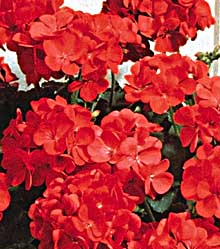
Geraniums (Pelargonium species) are also enjoyed by tortoises. Many varieties of geranium are commonly available. The best performer is a type of Ivy Geranium known as the Balcon Geranium (Pelargonium peltatum). It is resistant to geranium bud-worm and flowers profusely for most of the year, bearing pink or red flowers. Scented geraniums are said to have superior flavor compared to other geraniums, particularly Rose Geranium (P. graveolens) and Peppermint Geranium (P. tomentosum).
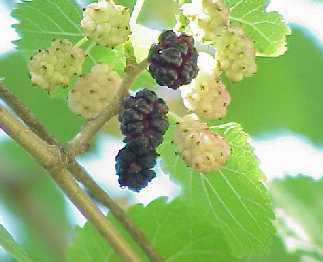
The Mulberry Tree (Morus alba) bears leaves on which tortoises will feed. It should be borne in mind that Mulberry Trees can produce fruits which stain patios, paths and clothing. For this reason, the home gardener often chooses a fruitless type. For ease of harvesting and for maximum shade, a weeping form of Mulberry is best. Morus alba "Pendula" (fruiting) and M. alba "Chaparral" (non-fruiting) are highly recommended.
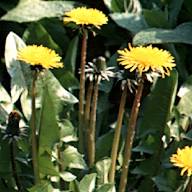
The much-maligned Dandelion (Taraxacum officinale) is a delicious treat. Both leaves and flowers of this "weed" (a weed after all, is a plant out of place) delight tortoises and other vegetarian reptiles. If you cannot tolerate them in your garden, consider growing dandelions in a container and harvest them for your grateful chelonians.

Many commonly grown ornamentals have edible flowers. Nasturtiums (Tropaeolum majus), day lilies (Hemerocallis species), violets, Johnny-jump-ups, and pansies (Viola) all have pleasant-tasting flowers which are used in human cuisine. Some members of the Chrysanthemum family are edible while others are toxic, so be cautious about offering chrysanthemums to tortoises.
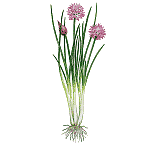
Commonly grown culinary herbs often have edible flowers. Fennel (Foeniculum), thyme (Thymus), rosemary (Rosmarinus), sage (Salvia), basil (Ocimum basilicum) and arugula all bear edible blossums. Many items from the home vegetable garden are also received enthusiastically by tortoises. Young leaf lettuces (red-leaf in particular), flowers from the Squash family (Cucurbita species, pumpkin, zucchini, etc.) cucumbers, Brussels sprouts, and many other commonly grown vegetables will provide substantial nutrition.

And, finally, there are garden snails, a garden product which flourishes, like it or not. Many tortoise keepers report the routine consumption of snails (sometimes after being crushed by the keeper) on the part of their tortoises as well as their box turtles. Some professionals have expressed concerns about the possibility of parasites being carried by snails, but tortoise keepers have reported no particular problems with snail consumption.