 |
| Just Ducky! a documentary "web" page Mrs. Amonett's second grde class raised the ducklings pictured here in 2001. This year (2002) both Mrs. Amonett's and Mrs. Hackler's class will hatch duck eggs. |
|
 |
 |
 |
 |
 |
 |
 |
 |
 |
 |
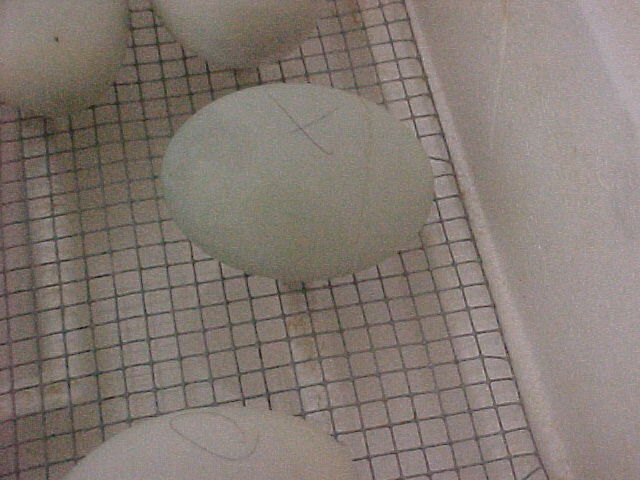
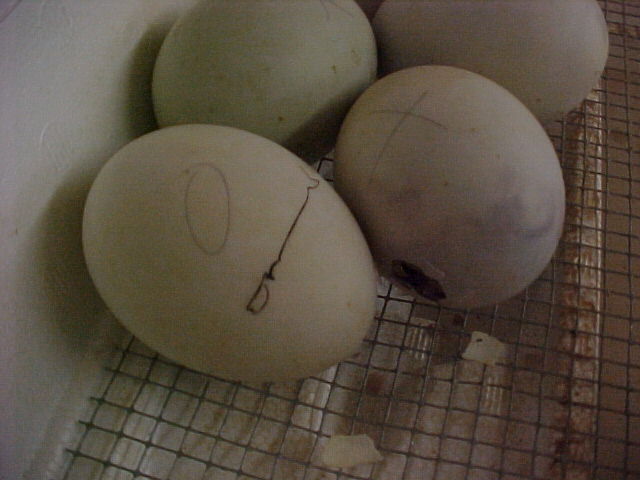
| Mrs. Amonett marked the eggs with x's and o's so that we would know that the eggs had been turned at least three times daily. |
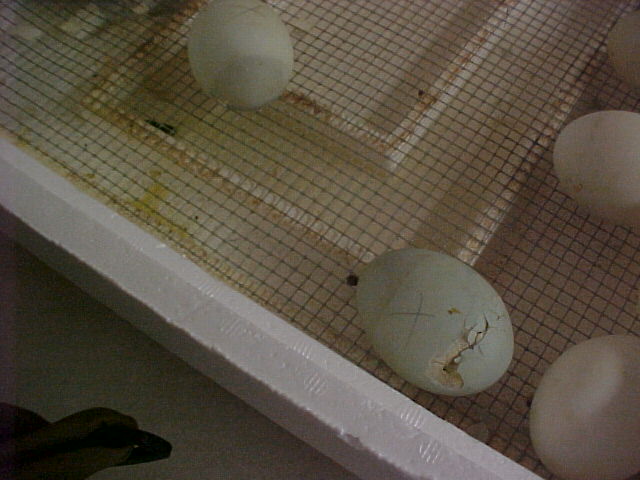
| After 28 days, the eggs begin to hatch. Yes, it is green! |
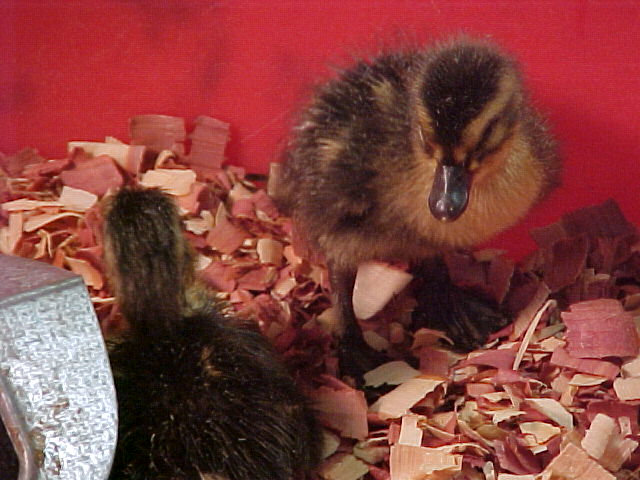
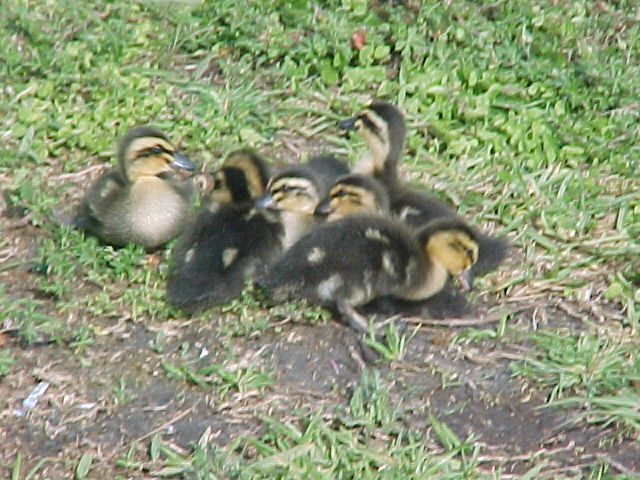
| These ducklings are just a few days old, they were kept in a sandbox in the classroom but taken outside to explore and enjoy the sunshine. |
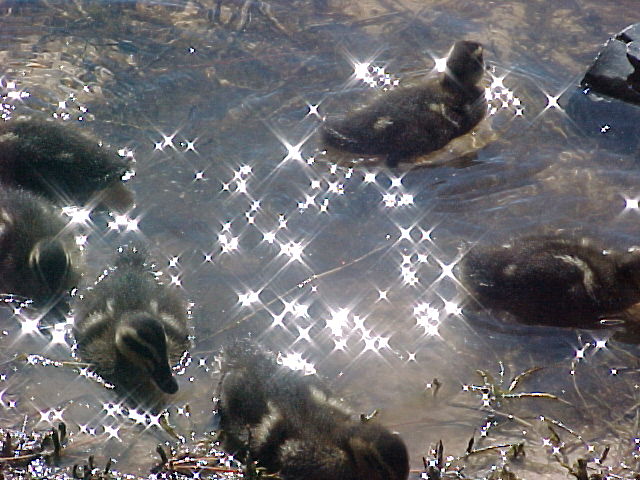
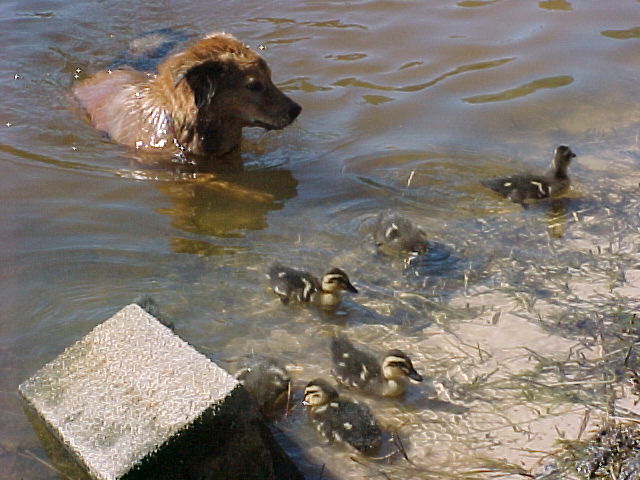
| At a week old, they are swimming. I had to be careful not to let them swim too long so that they would not become chilled. Gold is protecting them as if he were a mother duck, if the cat comes near he growls at it. |
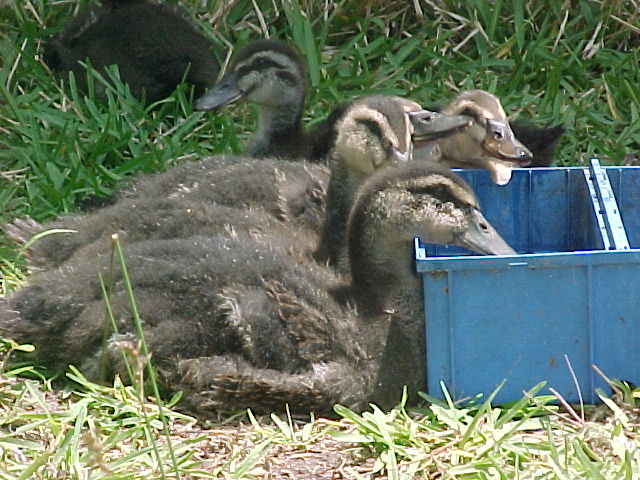
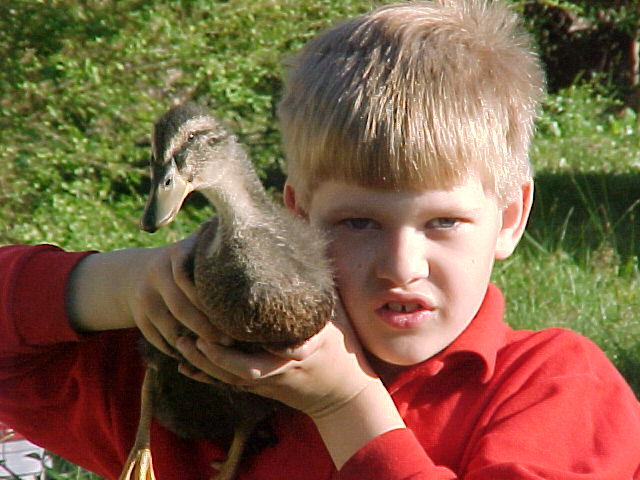
| At a few weeks of age, the ducklings are kept penned up outside in an electric fence to protect them. They enjoy being let out to explore. Sterling is a second grader just like the students who hatched these ducklings. |
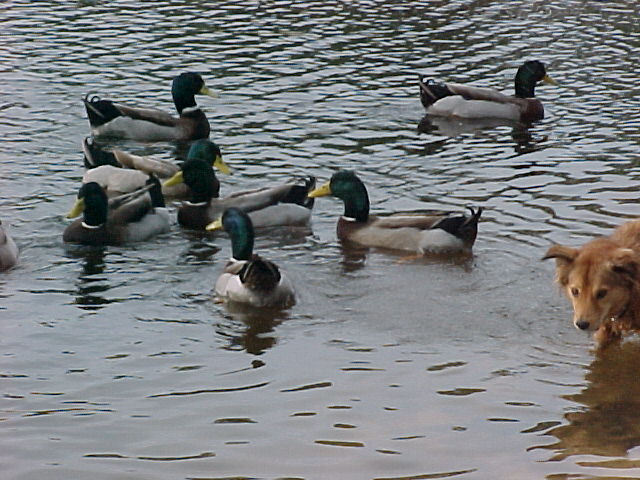
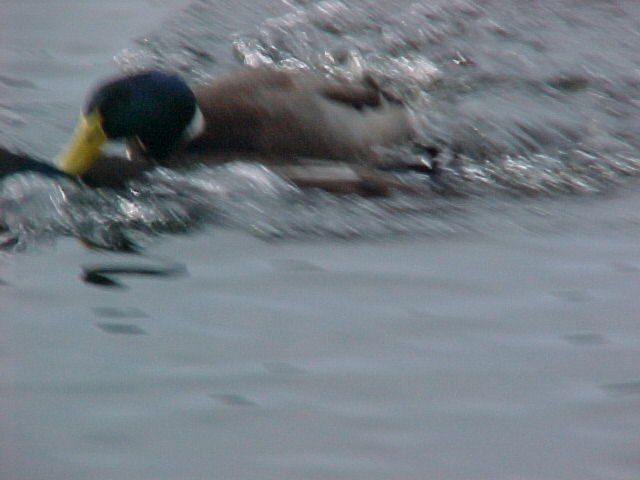
| The male Rouens have a distinctive green head and white collar just like their wild Mallard cousins. These ducks are much larger and heavier than Mallards and therefor are not good fliers. Do you see Gold? He is watching a fish under the water. The adult ducks have an oil gland near their tail. They preen themselves to spread the oil; they are now water-proof and chill-proof. |
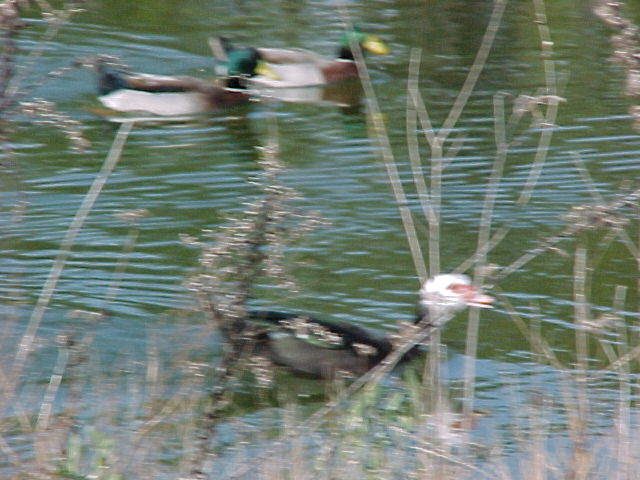 |
| Many wild ducks land on the lake and join our flock for a few days to a week. This Muscovey, has apparently decided to become a permanent resident. |