
US$ 17 1) CHAUTARI: Pancha and Shanti "Nepali music composed of Nepali flute and drums". PANCHA & SHANTI: Composed & Arranged by Pancha Lama. Namaste. The Nepali word "Chautari" means a rest area in the mountains where trekkers and travelers take a moment to relax. Usually there are tall trees near the Chautari and it is filled with the chirping of the birds. Chautari is a place where Nomads sing and play the flute. It is also a popular place where villagers gather in the course of their daily activities. This album (CD) is composed with these images of "Chautari" in mind. 1. Banchari: A music that express the different kinds of birds living in the forests of Nepal. 2. Maruni: A traditional melody of people living in the mountain of Eastern Nepal. 3. Thamang Shelo: A Festive melody of the Thamang people. 4. Jaure: A festive melody of the Thamang people. 5. Man Shanti: "Calm Mind" it leads us to peaceful world. We hope that. 6. Samundra ko Chall: Image of the sea waves. 7. Tantric Meditation: A music that express the "Melody of the Heart". >Pancha Bir Lama: Nepali Flute, Born in Sarlahi, Eastern Nepal, he started playing the flute from early childhood. Belonged to Radio Nepal and Nepal TV and other studios, while he was a flute instructor at Galaxy High School.
 US$ 17
2) FUSION: Prem Rana Autari and Friends.
1. Expression of excess happiness: It represents one's mood when his
desire of heart is fulfilled and he wants to dance with joy and express his
happiness .
2. Homecoming of man: A lady, whose husband is far away but who is
returning home now, is laying her eyes on his path and she is lost in memory of
him.
3. Heart Beat: when two lovers meet, they hear the beat of heart of each
other. They hear it and hear nothing else but everything else they hear in it.
4. World of Happiness: Two lovers in their imagination create their own
world where there is happiness and just happiness. They forget the world behind
them.
5. In memory of angered lady: This tune expresses the feeling of a man
whose wife is away from him because she was angry with him for some reason. Now,
he recalls her, his beloved wife.
6. Nagarkot: This tune is composed in memory of Nagarkot, one of Nepal's
blessed place by Nature. This tune compels one to imagine the beauty of this
place.
7. Navaranga: This tune is the blend of nine folk songs of Nepal.
Prem Rana Autari: Flute, Gyanu Rana: Vocal track no.2, Prabhu Dhakal: Vocal
track no.3, Subha Bahadur: Saxophone, Rupak:
Violin, Rupendra Shakya: Piano, Tritha Gandharva: Sarangi, Krishna Gandharva:
Sarangi, Shishir Limbhu: Tabla, Dhime, Madal,
Khin, Little Star: Guitar, Bass guitar, Subarna Limbhu: Bass guitar, Anil Shakya:
guitar, Rajendra Karn: Drum, Suresh Pardhan: Murchunga (Stone Flute), Prajeet
Shrestha: Mandolin, Recorded by: Bhola Paudel (Track no.3), Recorded at: Cine
Sound (Track no.3), Recorded by: Sarad Dutta, Recorded at: Little Star Studio
(Except track no. 3), Mixed by: little Star.
 US$ 17
3) HIMAL: Himalayan Meditative Music, Prem Rana Autari, The tunes makes us feel about our life, our dreams, how the people are
treated and the dreams of a married women. Prem Rana Autari is the one among the
three stars of today's leading group of classical music "Sur Sudha". He charms
his audience with his flute and has the capacity to spellbound them. He has been
a student to famous Indian flute player pandit Hari Prasad Chaurasia. He was
born in 1957 at Dang, Salyan in far west of Nepal.
1. Imagination: The two lovers when ... hear this tune they soar high in the sky
... happily together with sweet hopes and dreams.
2. Fairs: This tune makes us imagine that fairies are dancing in front of us on
this tune.
3. The Bliss: The tune bestows us the peace as that of a lively and blissful
wood when one enters it.
4. Maitighar: It is that home of a married women where she was born and which is
very dear to her and recalls it all the time. When a women goes to her Maitighar
she becomes overwhelmed with the thought of her dear home and her child hood
friends whom she is going to meet. So she sings happily on her way to home.
5. Sigh: A poor person sighs with woe when he finds that the would treats a poor
with hatred. He cries when he finds the distinction drawn between a poor and a
rich everywhere in the world.
Recorded by: Kishor Gurung, Recorded at: Kathmandu, Nepal.
US$ 17
3) HIMAL: Himalayan Meditative Music, Prem Rana Autari, The tunes makes us feel about our life, our dreams, how the people are
treated and the dreams of a married women. Prem Rana Autari is the one among the
three stars of today's leading group of classical music "Sur Sudha". He charms
his audience with his flute and has the capacity to spellbound them. He has been
a student to famous Indian flute player pandit Hari Prasad Chaurasia. He was
born in 1957 at Dang, Salyan in far west of Nepal.
1. Imagination: The two lovers when ... hear this tune they soar high in the sky
... happily together with sweet hopes and dreams.
2. Fairs: This tune makes us imagine that fairies are dancing in front of us on
this tune.
3. The Bliss: The tune bestows us the peace as that of a lively and blissful
wood when one enters it.
4. Maitighar: It is that home of a married women where she was born and which is
very dear to her and recalls it all the time. When a women goes to her Maitighar
she becomes overwhelmed with the thought of her dear home and her child hood
friends whom she is going to meet. So she sings happily on her way to home.
5. Sigh: A poor person sighs with woe when he finds that the would treats a poor
with hatred. He cries when he finds the distinction drawn between a poor and a
rich everywhere in the world.
Recorded by: Kishor Gurung, Recorded at: Kathmandu, Nepal.
 US$ 17
4) THET: Prem Gurung, A Typical Nepali Folk Songs. Song Collection: Subi
Shaha: 8, 12, Dhan Bdr. Nepali: 1, 3, 7, Danphen Kalamandir: 2, 13, Nabin Gurung:
9, Khadka Bdr. Budha: 11, Lok Raj Rai: 5, Sobha K.C.: 14, Praveen Gurung:
4,6,10, Singers: Praveen Gurung, Lochan Bhattarai, Bima Kumari Dura, Rekha Shaha,
Krishna Gurung, Khadka Br. Buhda. 1. Narou Mayalu, 2. Salko Pat Bajaundai, 3.
Beli Ra Chameli, 4. Baglunge Jhyaure, 5. Chandi (Sakewa), 6. Tamang Selo, 7.
Chamdrama Lekheko, 8. Sorathi, 9. Roila Bhajan, 10. Pashimai Jhyaure, 11. Tappa,
12. Charlitra, 13. Jhyaure, 14. Amako Sandesh, 15. Resham Phiriri,
Recorded at: Nameste Cultural Studio, Kathmandu, Nepal.
US$ 17
4) THET: Prem Gurung, A Typical Nepali Folk Songs. Song Collection: Subi
Shaha: 8, 12, Dhan Bdr. Nepali: 1, 3, 7, Danphen Kalamandir: 2, 13, Nabin Gurung:
9, Khadka Bdr. Budha: 11, Lok Raj Rai: 5, Sobha K.C.: 14, Praveen Gurung:
4,6,10, Singers: Praveen Gurung, Lochan Bhattarai, Bima Kumari Dura, Rekha Shaha,
Krishna Gurung, Khadka Br. Buhda. 1. Narou Mayalu, 2. Salko Pat Bajaundai, 3.
Beli Ra Chameli, 4. Baglunge Jhyaure, 5. Chandi (Sakewa), 6. Tamang Selo, 7.
Chamdrama Lekheko, 8. Sorathi, 9. Roila Bhajan, 10. Pashimai Jhyaure, 11. Tappa,
12. Charlitra, 13. Jhyaure, 14. Amako Sandesh, 15. Resham Phiriri,
Recorded at: Nameste Cultural Studio, Kathmandu, Nepal.
 US$ 17
5) SIMSIME: Glorious Monsoon Folk tune of Nepal, Prabin Gurung: Arranger,
Krishna Lama: Flute, Sushil Biswakarma: Flute, Khadka Bdr. Budha: Madal, Pancha
Maharjan: Madal, Bikram Gandharva: Sarangi, Krishna Gandharva: Sarangi, Recorded
at: Namaste Culture Studio, Kathmandu, Nepal.
US$ 17
5) SIMSIME: Glorious Monsoon Folk tune of Nepal, Prabin Gurung: Arranger,
Krishna Lama: Flute, Sushil Biswakarma: Flute, Khadka Bdr. Budha: Madal, Pancha
Maharjan: Madal, Bikram Gandharva: Sarangi, Krishna Gandharva: Sarangi, Recorded
at: Namaste Culture Studio, Kathmandu, Nepal.
 US$ 17
6) VAJRA'S CREATION
US$ 17
6) VAJRA'S CREATION
 US$ 17 7) ANUBHAV: The life chain of a man is chain of different Anubhav (experience)
Anubhav is amalgamation of pleasure and pain, sorrow and happiness. Thus mixing
up various colors of Anubhav of my life this musical album is produced.
US$ 17 7) ANUBHAV: The life chain of a man is chain of different Anubhav (experience)
Anubhav is amalgamation of pleasure and pain, sorrow and happiness. Thus mixing
up various colors of Anubhav of my life this musical album is produced.
 US$ 17
8) Traditional and Folk Tunes of Nepal: Dear music lovers, this collection of Nepal's various
kinds of traditional and folk tunes of casts, sub-cast and tribe is also a
product of the co-operation of our musician friends. it is also a garland of
different type of Nepalese festivals, arts and culture.
US$ 17
8) Traditional and Folk Tunes of Nepal: Dear music lovers, this collection of Nepal's various
kinds of traditional and folk tunes of casts, sub-cast and tribe is also a
product of the co-operation of our musician friends. it is also a garland of
different type of Nepalese festivals, arts and culture.
|
1. Pashupatinath |
This is the opening tune. This tune is famous in all over Nepal. |
|
2. Mal Shree |
Popular seasonal tune performed at the occasion of "Vijya Dashmi" at the temples of Goddess Durga. |
|
3. Mangal Dhoon |
This is very important on the happy occasions like wedding, birthday, etc. |
|
4. Jaya Namo Buddha |
This is a traditional tune. It is played specially at Swayambhu Temple" at the time of "Gunla Festival" for a month. |
|
5. Silu |
This tune is extremely popular while the people go to holy and famous place of Shiva called "Goshinkunda". It is a traditional and very romantic tune. |
|
6.Pashupati Janda |
This tune is performed while people go to Pashupati "Bala Chaturdosi", special day choose in the remembrance of the people who are dead and this tune is performed on this special day. |
|
7. Basanta (1) |
The main attraction of this famous traditional tune is that it is seasonal. At Hanumandhoka in Kathmandu with various prays to the Gods and Goddess, people roam around the city with same name. |
|
8. Basanta (2) |
It is the second part of "Basanta (1)" |
|
9. Ghatu |
"Ghatu" is serious but popular and traditional tune , ceremony of 6 Goddess "Ajima" is enchanted by this tune, while the chariot is pulled around Kathmandu on the "Ghode Jatra" festival. |
|
10. Hare Ram |
This tune has been playing for a long time in society of Hindu people specially at the shrines of God and Goddess. |
|
11. Lakhe |
This is one of the classical tune of Nepal performed once in a year durning the festival of Indra Jatra which is celebrated for nearly a week during the end of September to the first of October. The legend says that Lakhe is a demon which created havoc in Kathmandu by fighting and then the peace prevailed. |
|
12. Fagu |
This tune observed from the month of February and last for a week. People make merry with various colors with the same tune in their song. |
|
13. Sorath |
This tune is performed in the rainy season requesting God for the sufficient rain. |
|
14. Swosthani |
It is performed during the prayer of God Swasthani. |
|
15. Asare Sinagia |
This tune is sung while farmers work in their field in the month of Ashad. |
|
16. Asare (2) |
It is second part of "Asare Singagia". |
|
17. Asare (3) |
It is third part of "Asare Singagia". |
|
18.Arati |
This is an evening tune which is played at the time of prayer. |
|
19. Chanchari |
It is played on the occasion of "Vijya Dashmi" till "Deepawali". |
|
20. Bhailo |
It is performed by girls on the occasion of "Laxmi Puja - Deepawali". |
|
21. Deusi |
It is performed by boys on the occasion of "Gobardhan Puja - Deepawali". |
|
22 Bhote Selo |
It is performed by "Bhote" community. This is a duet song. The main melody is very short (10 sec.) but it can be increased by improvising the lyrics. |
|
23. Buddham Sharanam |
This is prayer tune that we are under the grace of Lord Buddha. |
|
24. Resham Phiriri |
This is very popular folk tune Nepal. People of highest part of hills, they song that song to make glad to tourist. |
|
25. Babale Sodhlan |
This serious and fabulous tune is played by "Gaine" community of western parts of Nepal. |
|
26. Simsime |
This is very famous folk tune of Nepal. |
|
27. Raja Piyari |
This tune is played by "Gaine" community of western region. |
|
28. Pan Ko Pat |
This is famous folk tune. |
|
29. Shebru |
This tune is performed by the "Sherpa" community who reside in the northern border of Nepal. Hey enjoy sometime by the Shebru tune. |
|
30. Naumati Baja |
This tune is performed by "Damai" community. It is performed in "Panche Baja" and "Naumati Tyanko Baja". (Baja = musical instrument). |
|
31. Tenjing Sherpa |
This tune is performed on the victory of Tenjing Sherpa over the highest peak of world. |
|
32. Rajamati |
This is very famous tune of "Newar" community of Kathmandu valley. |
|
33. Ghansi |
This tune is performed by country people. This is s duet song. The main melody is very short (10 sec.) but it can be increase by improvising the lyrics. |
|
34. Tamang |
Based on a love theme. It is very popular teenagers of tamangs. This folk tune is famous with the teenagers. |
|
35. Mauwali |
It is a folk tune, performed in the eastern parts of Nepal, played on the occasions of wedding day etc. |
|
36. Bhojpuri |
This Bhojpuri tune is very popular in South parts of Nepal. |
|
37. Sirima Siri |
This is a famous folk tune. |
|
38. Nainital |
This is a old folk tune of Nepal. It is also famous in "Gorkha" regiment of other countries. |
|
39. Paheli Pakhuri |
This is a famous folk tune. |
|
40. Wochhu Galli |
This is very famous tune performed by "Jyapu" community. |
|
41. Laya Mha Mha Daju |
This is a popular folk tune . It is extremely famous among the farmers known as "Jyapu". |
|
42. Maithali |
This tune is famous in Janakpur zone, South East part of Nepal. |
|
43. Janai Lagyo |
This is old famous folk tune. |
|
44. Fewa Talko |
This folk tune is played in the western part of Nepal specially in Pokhara. |
|
45. Sangini |
This is a traditional tune of Southern parts of Nepal. |
|
46. Lahure ko Relimai |
This tune is performed by the people who have joined other countries Army during their vacation. |
|
47. Sorathi |
This is a famous folk tune of "Gurung" community of western region. |
 US$ 17
9) Himalayan Feelings: The old form of
musical instrument are no more today so the Himalayan Feelings has committed
itself to create new mixed classic combination of the old tradition which makes
feel peaceful and present it as a message to peace loving people around the
universe.
>Introduction: The band Himalayan feelings was established in 1998 under the
kind cooperation of Nameste Band. New instrumental music project leadership
under Mr. Ishwor Gurung with Pravin Gurung the mixed Member of Nepal. the Band's
objective is to sound peaceful rhythmic instrumental music combination between
Nepal and global using classical and traditional music of Nepal just to improvise a
unique king of "World Music" to make it a standard as an international concept.
The old man form of musical instrument and rhythm are no more today so the
Himalayan Feelings has committed itself to create new mixed classic combination
of the old tradition which makes feel peaceful and present it as a Message to
peace loving people around the universe. Nepal is a beautiful place surrounded
by the Himalayas and valleys, a peaceful destination where the lord Buddha was
born and got enlightened. So we lobe out country & respect out culture and the
same thing we are improvising it in our music to save and promote out tradition.
The band has preformed its various cultural program in festivals and many more
around the country. We put our outmost effort to enter into the world music it
be a part of it to demonstrate out traditional music value of love and peace. And
we also urge our coming generation to keep it up save and respect our cultural
music, Himalayan Feelings.
>Ishor Gurung: Is a founder of the band and owner
of Namaste Cultural studio as well as vocals, composer and writer of a very well
known "Namaste Band" in Nepal. A Himalayan feeling is his new project. With his
great composition and vision, extending musical horizon and crates percussion effect
to make sounds more great.
>Pravin Gurung (Dev Bahadur Gurung): plays the Henzi (Santoor),
Tangna. His peers describe him as "The next Shiva Kumar Sharma". He has a
remarkable technique, which enables him fly across the Henzi keys without any
motion. He incorporates the melodic and harmony gifts received from the classical
training, as well as rhythmic elements from India, Tibet and National Theater Of
Nepal.
>Krishna Syangwa: Is one of the exciting flutists on the circuit
being able to slide effortlessly from sweet tone to make relax. He is also from
National Theater Of Nepal. Sobit Kumar is a solo Sarangi violinist young
talented musician in band who plays Sarangi (sound roots of violin). He has made
it possible to play this traditional instrument with full skills.
>Kharaka Bahadur Bura: "Leather man" an incredibly versatile talented musician immense
technical prowess able to create a diversity as interchange rhythmic patterns at
all levels of intensity, torrential solos to delicate, simmering hands fingers.
He is also from National Theater of Nepal where he teaches the drums of Nepal to
younger generations.
>Bihani, >Ukali Orali, >Sorathi: Music of Gurung tribes, >Namche: Sherpa's
feelings, >Chandra Grahan: Moon eclipse, >World Music, >Festival of Pokhara,
>Nepali vibes,
Guest Artists: Jungle Singh: Flute, Sushil Bishwakarma: Flute, Krishna Gurung:
Flute, Pancha Maharjan: Dhime, Madal, Tabala, Krishna Gandharva: Sarangi, Suraj:
Banjo, Yaloham: Jimbe, Kai: Didgeridoo.
US$ 17
9) Himalayan Feelings: The old form of
musical instrument are no more today so the Himalayan Feelings has committed
itself to create new mixed classic combination of the old tradition which makes
feel peaceful and present it as a message to peace loving people around the
universe.
>Introduction: The band Himalayan feelings was established in 1998 under the
kind cooperation of Nameste Band. New instrumental music project leadership
under Mr. Ishwor Gurung with Pravin Gurung the mixed Member of Nepal. the Band's
objective is to sound peaceful rhythmic instrumental music combination between
Nepal and global using classical and traditional music of Nepal just to improvise a
unique king of "World Music" to make it a standard as an international concept.
The old man form of musical instrument and rhythm are no more today so the
Himalayan Feelings has committed itself to create new mixed classic combination
of the old tradition which makes feel peaceful and present it as a Message to
peace loving people around the universe. Nepal is a beautiful place surrounded
by the Himalayas and valleys, a peaceful destination where the lord Buddha was
born and got enlightened. So we lobe out country & respect out culture and the
same thing we are improvising it in our music to save and promote out tradition.
The band has preformed its various cultural program in festivals and many more
around the country. We put our outmost effort to enter into the world music it
be a part of it to demonstrate out traditional music value of love and peace. And
we also urge our coming generation to keep it up save and respect our cultural
music, Himalayan Feelings.
>Ishor Gurung: Is a founder of the band and owner
of Namaste Cultural studio as well as vocals, composer and writer of a very well
known "Namaste Band" in Nepal. A Himalayan feeling is his new project. With his
great composition and vision, extending musical horizon and crates percussion effect
to make sounds more great.
>Pravin Gurung (Dev Bahadur Gurung): plays the Henzi (Santoor),
Tangna. His peers describe him as "The next Shiva Kumar Sharma". He has a
remarkable technique, which enables him fly across the Henzi keys without any
motion. He incorporates the melodic and harmony gifts received from the classical
training, as well as rhythmic elements from India, Tibet and National Theater Of
Nepal.
>Krishna Syangwa: Is one of the exciting flutists on the circuit
being able to slide effortlessly from sweet tone to make relax. He is also from
National Theater Of Nepal. Sobit Kumar is a solo Sarangi violinist young
talented musician in band who plays Sarangi (sound roots of violin). He has made
it possible to play this traditional instrument with full skills.
>Kharaka Bahadur Bura: "Leather man" an incredibly versatile talented musician immense
technical prowess able to create a diversity as interchange rhythmic patterns at
all levels of intensity, torrential solos to delicate, simmering hands fingers.
He is also from National Theater of Nepal where he teaches the drums of Nepal to
younger generations.
>Bihani, >Ukali Orali, >Sorathi: Music of Gurung tribes, >Namche: Sherpa's
feelings, >Chandra Grahan: Moon eclipse, >World Music, >Festival of Pokhara,
>Nepali vibes,
Guest Artists: Jungle Singh: Flute, Sushil Bishwakarma: Flute, Krishna Gurung:
Flute, Pancha Maharjan: Dhime, Madal, Tabala, Krishna Gandharva: Sarangi, Suraj:
Banjo, Yaloham: Jimbe, Kai: Didgeridoo.
 US$ 17
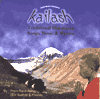
10) KAILASH: Kailash is a holy mountain for both Hindu and Buddhist and from
where mantras and music melts and spread all over Himalayas. In this album
musicians has tried to content whole range of Himalayan whole range of Himalayan
music, mantras and Songs.
1.Ngatso deru zom-zom: The song of Joys. The song is usually sung sharing the
joys and happiness among each other in group especially on the different
happy occasions and festivals.
2. Om mani padme hung: The mantra of
Lokeswara. This deity of love and compassion. This mantra is recited for the
purpose of making all the sentient being free from their inevitable mental and
physical sufferings. This special piece is also known as " Universal Peace
Harmony".
3. Gangchen bowl: The sutra chanting of
the greatest scholar of Snowy country Tibet, lama Tsangkhapa the founder of
Geluk Tradition. This sutra chanting is specially done for the liberation
go all sentient beings and remember9ing to Lama Tsongkhapa for his great and
excellent deeds in Mahayana Buddhism mainly in Geluk Trading.
4. Singing bowl: The singing bowl. The
sound of emptiness and melodies of an ancient times.
5. Changhup semchhock: The sutra of
Buddhism. This is special sutra is recited for preventing terrible pains,
sufferings, starvation in life and changing the (Sanasra) world into a peaceful
zone as well.
6. Jampe Kuzuk: The sutra of Buddha
Maitreya. also called Mitreya Nath the future Buddha, who will appear after the
total disappearance of Buddha Sakya muni's teaching, presently believed to be
reading in the Tusita God Realm..
7. The music of tiredness: The music of
Tiredness. The typical music pieces played when the cow-heard returns form his
work.
8. Om muni muni: The Mantra of Lord Buddha (light of Asia). This mantra is
recited for the purpose of prevailing peace in the world and make free all the
sentient beings form this cycle world.
9. Dung gyaling: The chanting of the
mahakala, the deity of protector, also called the obstacles destroyer. the (puja
chanting is done for healing sickness and gain more merits.
10. Mano ratna: The mantra of Amitiyash,
the deity of long vita. the Mantra usually recites for the purpose of making all
living beings who possess a mind from different worldly ill maladies such as
pains sufferings and wars in this Sansara.
11. Kipala ka kipala: The song of
happiness. This song is very traditional and sung when they are in deep joys and
happy mood around the Himalayan countryside.
12. Namo lokeswaraya: This special
piece is recited for the starting base of the main Kmantra of Lokeswara, The
deity of love and compassion.
13. Ya Ya Ya Ya: The song of joys. This
typical song is usually sung when they are in the deep happy mood being in a
nice place or a beautiful sight seeing moment.
14. The Himalayan cow-heard: The
Himalayan cow-heard going after (Yak) the Himalayan cow, the Yaks prefer to
grace on the higher altitude are the source of milk, curds, butter and delicious
cheese, beloved to be originated from the snow land country Tibet. These animals
are kind hearted, friendly and sincere to their owner and also guides very
skillfully and carefully where the cow-heard lost his path being of heavy
snowfall around the Himalayan side. These animals of distinctive characteristics
are mainly kept to make better subsistence for their livelihood of the people of
Himalayan country side, Northern parts of Nepal.
15. Om namo bhagwate: The mantra of
Amitiyash, the deity of longevity. This mantra is recited for long life peace
and prosperity of all sentient beings.
US$ 17
10) KAILASH: Kailash is a holy mountain for both Hindu and Buddhist and from
where mantras and music melts and spread all over Himalayas. In this album
musicians has tried to content whole range of Himalayan whole range of Himalayan
music, mantras and Songs.
1.Ngatso deru zom-zom: The song of Joys. The song is usually sung sharing the
joys and happiness among each other in group especially on the different
happy occasions and festivals.
2. Om mani padme hung: The mantra of
Lokeswara. This deity of love and compassion. This mantra is recited for the
purpose of making all the sentient being free from their inevitable mental and
physical sufferings. This special piece is also known as " Universal Peace
Harmony".
3. Gangchen bowl: The sutra chanting of
the greatest scholar of Snowy country Tibet, lama Tsangkhapa the founder of
Geluk Tradition. This sutra chanting is specially done for the liberation
go all sentient beings and remember9ing to Lama Tsongkhapa for his great and
excellent deeds in Mahayana Buddhism mainly in Geluk Trading.
4. Singing bowl: The singing bowl. The
sound of emptiness and melodies of an ancient times.
5. Changhup semchhock: The sutra of
Buddhism. This is special sutra is recited for preventing terrible pains,
sufferings, starvation in life and changing the (Sanasra) world into a peaceful
zone as well.
6. Jampe Kuzuk: The sutra of Buddha
Maitreya. also called Mitreya Nath the future Buddha, who will appear after the
total disappearance of Buddha Sakya muni's teaching, presently believed to be
reading in the Tusita God Realm..
7. The music of tiredness: The music of
Tiredness. The typical music pieces played when the cow-heard returns form his
work.
8. Om muni muni: The Mantra of Lord Buddha (light of Asia). This mantra is
recited for the purpose of prevailing peace in the world and make free all the
sentient beings form this cycle world.
9. Dung gyaling: The chanting of the
mahakala, the deity of protector, also called the obstacles destroyer. the (puja
chanting is done for healing sickness and gain more merits.
10. Mano ratna: The mantra of Amitiyash,
the deity of long vita. the Mantra usually recites for the purpose of making all
living beings who possess a mind from different worldly ill maladies such as
pains sufferings and wars in this Sansara.
11. Kipala ka kipala: The song of
happiness. This song is very traditional and sung when they are in deep joys and
happy mood around the Himalayan countryside.
12. Namo lokeswaraya: This special
piece is recited for the starting base of the main Kmantra of Lokeswara, The
deity of love and compassion.
13. Ya Ya Ya Ya: The song of joys. This
typical song is usually sung when they are in the deep happy mood being in a
nice place or a beautiful sight seeing moment.
14. The Himalayan cow-heard: The
Himalayan cow-heard going after (Yak) the Himalayan cow, the Yaks prefer to
grace on the higher altitude are the source of milk, curds, butter and delicious
cheese, beloved to be originated from the snow land country Tibet. These animals
are kind hearted, friendly and sincere to their owner and also guides very
skillfully and carefully where the cow-heard lost his path being of heavy
snowfall around the Himalayan side. These animals of distinctive characteristics
are mainly kept to make better subsistence for their livelihood of the people of
Himalayan country side, Northern parts of Nepal.
15. Om namo bhagwate: The mantra of
Amitiyash, the deity of longevity. This mantra is recited for long life peace
and prosperity of all sentient beings.
 US$ 17
11) GHANSI: Folk Melodies of Nepal Himalayan Music series of SUKARMA.
Ghansi represents the musical folk tradition of Nepal from the southern plains
to the high Himalayan mountains. The Artists effortlessly weave authentic folk
melodies with musically satisfying raga-based improvisation. This CD will be
enjoyed both by connoisseurs of pure folk music and by music lovers of all sorts
who appreciate skill and musical mastery.
1. Rajamati: a popular Newari tune based on a love story.
2. Simsime panima: this tune from the hill region of Nepal is often sung
as part of a flirtatious singing game played between boys and girls.
3. Bhaili and Deusi: Caroling songs of the Tihar festival - Bhaili is
sung on the evening of Laxmi worship, and boys sing Deushi on the following
evening.
4. Sebru: This is a sherpa folk tune from the snowy Himalayan region.
5. Wo chhu galli: "which alley do u live in?" - a popular Newari folk
tune.
6.Maina chari: This tune can be heard in the southern plains of Nepal
during festival times.
7. Piyari Maya Namara: "darling, don't destroy our love"
8. Charima: a tune to be hummed during separation from one's beloved
9. Ceremonial Tune: this tune is played by members of the Damai musician caste
during the weddings and other festival occasions.
10. Bhojpuri: this tune can be heard in the southern plains of Nepal
during festivals times.
SUKARMA offers special thanks to: Nyhoo Bajracharya, Sanjaya Shrestha, Narboo
Sherpa, Parmod Upadhyaya, Shesh Narayan Shrestha, Pabidhan Rai, Prakash Ram
Mishra, Binaya Verma, Prime Broadcasting System, Guest Artist: Narboo Sherpa:
Violin, Bharat Nepali: Sarangi, Sunil Bardewa: Guitar, Lahure Damai: Karnal,
Shesh Narayan Shrestha: Vocal, Bishnu Lama: Vocal, Parmod Upadhyaya: Dholak,
Recorded and Mixing by: Prakash Ram Mishra, Recorded at: Prime Broadcasting
System, Kathmandu, Nepal and Maya, USA, Co-Producer: Bhasker Shrestha, Naresh
Shrestha, Manoj Shrestha.
US$ 17
11) GHANSI: Folk Melodies of Nepal Himalayan Music series of SUKARMA.
Ghansi represents the musical folk tradition of Nepal from the southern plains
to the high Himalayan mountains. The Artists effortlessly weave authentic folk
melodies with musically satisfying raga-based improvisation. This CD will be
enjoyed both by connoisseurs of pure folk music and by music lovers of all sorts
who appreciate skill and musical mastery.
1. Rajamati: a popular Newari tune based on a love story.
2. Simsime panima: this tune from the hill region of Nepal is often sung
as part of a flirtatious singing game played between boys and girls.
3. Bhaili and Deusi: Caroling songs of the Tihar festival - Bhaili is
sung on the evening of Laxmi worship, and boys sing Deushi on the following
evening.
4. Sebru: This is a sherpa folk tune from the snowy Himalayan region.
5. Wo chhu galli: "which alley do u live in?" - a popular Newari folk
tune.
6.Maina chari: This tune can be heard in the southern plains of Nepal
during festival times.
7. Piyari Maya Namara: "darling, don't destroy our love"
8. Charima: a tune to be hummed during separation from one's beloved
9. Ceremonial Tune: this tune is played by members of the Damai musician caste
during the weddings and other festival occasions.
10. Bhojpuri: this tune can be heard in the southern plains of Nepal
during festivals times.
SUKARMA offers special thanks to: Nyhoo Bajracharya, Sanjaya Shrestha, Narboo
Sherpa, Parmod Upadhyaya, Shesh Narayan Shrestha, Pabidhan Rai, Prakash Ram
Mishra, Binaya Verma, Prime Broadcasting System, Guest Artist: Narboo Sherpa:
Violin, Bharat Nepali: Sarangi, Sunil Bardewa: Guitar, Lahure Damai: Karnal,
Shesh Narayan Shrestha: Vocal, Bishnu Lama: Vocal, Parmod Upadhyaya: Dholak,
Recorded and Mixing by: Prakash Ram Mishra, Recorded at: Prime Broadcasting
System, Kathmandu, Nepal and Maya, USA, Co-Producer: Bhasker Shrestha, Naresh
Shrestha, Manoj Shrestha.
 US$ 17
12) THET-2: Typical Nepali Folk Songs. Song Collection: Ramsaran Nepali: 1, 2,
Dharma Raj Thapa: 3, Krishna Bikram Thapa: 4, Sundar Shrestha: 5, Bharat Jung
Shah: 6, Madhu Babu Thapa: 7, 13, Chandrakala Shah: 8, 12, 15, Buddhi Krishna
Lamichhane: 9, Rekha Shah: 10, Kharka Bahadur Budha: 11, Prem Dev Giri: 14, Tika
Bahadur Shrestha: 16, Singers: Subhadra Adhikari, Suraj Thapa, Gyanu Rana,
Krishna Bikram Thapa, Tirtha Kumari, Suraj
Thapa, K B Budha, Keshab Poudel, Aabha Mukarung, Kamala Shrestha, Madhu Babu
Thapa, Chandrakala Shah, Chandra Kala Shah, Tirtha Kumari, Ganesh Rashik,
Hiranya Bhojpure, Urmila Shrestha, Kabita Ale, Satya Kala Rai, Buddhi Krishna
Lamichhane, Rekha Shah, Kharka B Budha, Lila B Budha, Mana Chhantyal, Maya Lama,
Recorded at: Nameste Cultural Studio, Kathmandu, Nepal.
US$ 17
12) THET-2: Typical Nepali Folk Songs. Song Collection: Ramsaran Nepali: 1, 2,
Dharma Raj Thapa: 3, Krishna Bikram Thapa: 4, Sundar Shrestha: 5, Bharat Jung
Shah: 6, Madhu Babu Thapa: 7, 13, Chandrakala Shah: 8, 12, 15, Buddhi Krishna
Lamichhane: 9, Rekha Shah: 10, Kharka Bahadur Budha: 11, Prem Dev Giri: 14, Tika
Bahadur Shrestha: 16, Singers: Subhadra Adhikari, Suraj Thapa, Gyanu Rana,
Krishna Bikram Thapa, Tirtha Kumari, Suraj
Thapa, K B Budha, Keshab Poudel, Aabha Mukarung, Kamala Shrestha, Madhu Babu
Thapa, Chandrakala Shah, Chandra Kala Shah, Tirtha Kumari, Ganesh Rashik,
Hiranya Bhojpure, Urmila Shrestha, Kabita Ale, Satya Kala Rai, Buddhi Krishna
Lamichhane, Rekha Shah, Kharka B Budha, Lila B Budha, Mana Chhantyal, Maya Lama,
Recorded at: Nameste Cultural Studio, Kathmandu, Nepal.
 US$ 17
13) KIRATESWOR: Classical Music, In raga music, instead of playing a pre-set
melody or song, musicians improvise within a tonal framework. Each of these
frame works, or ragas, has a particular scale, a set of movements, and tonal
ornaments all its own. However, just because the musician is staying true to a
certain framework doesn't necessarily mean he is successfully playing a raga,
for every true raga must also have the quality of bringing delight to the heart
of the listener. Ragas are traditionally associated with different times of day
and different moods. Some are even said to have magical powers. Of the ragas
presented here, Yaman is an evening raga with a romantic mood, Desh is a late
night raga with a provincial feel, and Mishra Bhairavi is a morning raga which
can express a wide range of moods, and which is often played as a concluding
piece. 1. Raga Desh: Sitar
2. Raga Yaman: Flute
3. Raga Mishra Bhairavi: Sitar and Flute
Featuring: Sitar: Dhrubesh Chandra Regmi, Tabala: Atul Prasad Gautam, Flute:
Manose Singh, Co-Producer: Bhasker Shrestha, Naresh Shrestha, Manoj Shrestha.
US$ 17
13) KIRATESWOR: Classical Music, In raga music, instead of playing a pre-set
melody or song, musicians improvise within a tonal framework. Each of these
frame works, or ragas, has a particular scale, a set of movements, and tonal
ornaments all its own. However, just because the musician is staying true to a
certain framework doesn't necessarily mean he is successfully playing a raga,
for every true raga must also have the quality of bringing delight to the heart
of the listener. Ragas are traditionally associated with different times of day
and different moods. Some are even said to have magical powers. Of the ragas
presented here, Yaman is an evening raga with a romantic mood, Desh is a late
night raga with a provincial feel, and Mishra Bhairavi is a morning raga which
can express a wide range of moods, and which is often played as a concluding
piece. 1. Raga Desh: Sitar
2. Raga Yaman: Flute
3. Raga Mishra Bhairavi: Sitar and Flute
Featuring: Sitar: Dhrubesh Chandra Regmi, Tabala: Atul Prasad Gautam, Flute:
Manose Singh, Co-Producer: Bhasker Shrestha, Naresh Shrestha, Manoj Shrestha.
 US$ 17
14) MUSTANG: Meditation and Relaxation.
Just as pure air, water, and nourishing food
influence the life force of all living things, so does the sound of music. Under
the influence of soothing music, our heart rates and respiration are calmed, our
brain waves are altered, and we draw strength and energy. Similarly, it is said
that with the proper musical treatment trees and crops flourish and animals give
more copious milk. For thousands of years the sages of South Asia have been
avocation a balanced diet of yoga, herbal medicine and beautiful music for physical
health and spiritual realization. Following in this tradition, we present this
CD to help the listener connect rate the mind and body in the now, and to allow
the clouded mirror of consciousness to clear. May this music be a tool in
bringing you the peace and restored vitality that you seek. >The Temple: Worship shared with others in a sacred
space.
>Realization: mood of morning to gently guide the
listener into the physical world.
>Salvation's Approach: soul preparation for the
achievement of peace and prosperity.
>Relaxation: refreshment for the tired body and
mind.
>Reconciliation: releasing attachment to the
unattainable.
>Oceanside: the hopes and dreams of human life.
>Soul Struggle: the soul practice of attaining
salvation. Systematic approach towards the salvation.
>Dynamic Meditation: the meditation of overcoming
obstacles. SUKARMA offers special thanks to: Narboo
Sherpa: Violin, Shesh Narayan Shrestha: Vocal, Binaya Verma: Tanpura, Sunil Bardewa: Guitar, Shesh Narayan Shrestha: Vocal, Bishnu Lama: Vocal, Recorded and Mixing by: Prakash Ram Mishra,
Recorded at: Prime Broadcasting System, Kathmandu, Nepal and Maya, USA.
US$ 17
14) MUSTANG: Meditation and Relaxation.
Just as pure air, water, and nourishing food
influence the life force of all living things, so does the sound of music. Under
the influence of soothing music, our heart rates and respiration are calmed, our
brain waves are altered, and we draw strength and energy. Similarly, it is said
that with the proper musical treatment trees and crops flourish and animals give
more copious milk. For thousands of years the sages of South Asia have been
avocation a balanced diet of yoga, herbal medicine and beautiful music for physical
health and spiritual realization. Following in this tradition, we present this
CD to help the listener connect rate the mind and body in the now, and to allow
the clouded mirror of consciousness to clear. May this music be a tool in
bringing you the peace and restored vitality that you seek. >The Temple: Worship shared with others in a sacred
space.
>Realization: mood of morning to gently guide the
listener into the physical world.
>Salvation's Approach: soul preparation for the
achievement of peace and prosperity.
>Relaxation: refreshment for the tired body and
mind.
>Reconciliation: releasing attachment to the
unattainable.
>Oceanside: the hopes and dreams of human life.
>Soul Struggle: the soul practice of attaining
salvation. Systematic approach towards the salvation.
>Dynamic Meditation: the meditation of overcoming
obstacles. SUKARMA offers special thanks to: Narboo
Sherpa: Violin, Shesh Narayan Shrestha: Vocal, Binaya Verma: Tanpura, Sunil Bardewa: Guitar, Shesh Narayan Shrestha: Vocal, Bishnu Lama: Vocal, Recorded and Mixing by: Prakash Ram Mishra,
Recorded at: Prime Broadcasting System, Kathmandu, Nepal and Maya, USA.
 US$ 17
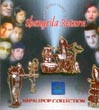
15) Shangri-La Return: Nepali Pop Collection, Featuring: Ram Krishna Dhakal,
Babin Pradhan, Sapana Shree , Ananda Karki, Shirhma Amatya, Sanjeep Pradhan ,
Dipesh Kishore Bhattarai, Nalina Chitrakar, Nabin Panchakoti, Om Bikram Bista,
Rasila Kayastha, Anita Manandhar, Recorded at: Omniphonics Digital Studio,
Kathmandu, Nepal, Recorded by: Sanjaya Shrestha, Arranged by: Rabin
Karki, Song No. 8 Recorded by: Subarna Rajbhandari, Special Thanks to:
Surendra Shrestha (Sursudha), Anita Manandhar, Manoj Rajbhandari, Khem Raj
Gurung, Manose singh, Deep Tuladhar.
US$ 17
15) Shangri-La Return: Nepali Pop Collection, Featuring: Ram Krishna Dhakal,
Babin Pradhan, Sapana Shree , Ananda Karki, Shirhma Amatya, Sanjeep Pradhan ,
Dipesh Kishore Bhattarai, Nalina Chitrakar, Nabin Panchakoti, Om Bikram Bista,
Rasila Kayastha, Anita Manandhar, Recorded at: Omniphonics Digital Studio,
Kathmandu, Nepal, Recorded by: Sanjaya Shrestha, Arranged by: Rabin
Karki, Song No. 8 Recorded by: Subarna Rajbhandari, Special Thanks to:
Surendra Shrestha (Sursudha), Anita Manandhar, Manoj Rajbhandari, Khem Raj
Gurung, Manose singh, Deep Tuladhar.
 US$ 17
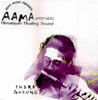
16) AAMA (Mother): Indra Gurung, Himalayan Healing Sound, Flute and Composed:
Indra Gurang, Recordist: Masao Fujikawa, Recording: Tokyo, Japan, Printed at:
Singapore.
US$ 17
16) AAMA (Mother): Indra Gurung, Himalayan Healing Sound, Flute and Composed:
Indra Gurang, Recordist: Masao Fujikawa, Recording: Tokyo, Japan, Printed at:
Singapore.
 US$ 17
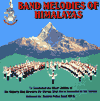
17) Band Melodies Of Himalayas: Nepal Police Band, Produced: Central Police
Band, NEPAL, Recorded at: Digital Symphonic Recording, Kathmandu, Nepal.
US$ 17
17) Band Melodies Of Himalayas: Nepal Police Band, Produced: Central Police
Band, NEPAL, Recorded at: Digital Symphonic Recording, Kathmandu, Nepal.
 US$ 17
18) NEPAL: NAMESTE BAND, NEVER END PEACE AND LOVE, Composed: Ishwor Gurang,
Recorded at: Japan.
US$ 17
18) NEPAL: NAMESTE BAND, NEVER END PEACE AND LOVE, Composed: Ishwor Gurang,
Recorded at: Japan.
 US$ 17
19) SANDESH: NAMESTE BAND, NEVER END PEACE AND LOVE, Composed: Ishwor Gurang
except 2 and 7, Recorded at: Nameste Cultural Studio, Kathmandu, Nepal, Recorded
by: Amber Pokhereli and Hem Bista.
US$ 17
19) SANDESH: NAMESTE BAND, NEVER END PEACE AND LOVE, Composed: Ishwor Gurang
except 2 and 7, Recorded at: Nameste Cultural Studio, Kathmandu, Nepal, Recorded
by: Amber Pokhereli and Hem Bista.
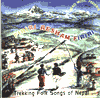 US$ 17
20) FIRIRI RESHAM FIRIRI: Trekking Folk Songs Of Nepal, Co-produces: Bhasker,
Naresh and Manoj, Composed: Shambujeet Bashkota, Vocal: Shambujeet Bashkota and
Devika Pradhan, Recorded at: Banest Cultural Studio, Kathmandu, Nepal.
US$ 17
20) FIRIRI RESHAM FIRIRI: Trekking Folk Songs Of Nepal, Co-produces: Bhasker,
Naresh and Manoj, Composed: Shambujeet Bashkota, Vocal: Shambujeet Bashkota and
Devika Pradhan, Recorded at: Banest Cultural Studio, Kathmandu, Nepal.
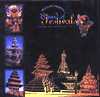 US$ 17
21) Sound of festival:
US$ 17
21) Sound of festival:
>Bansuri: Among many festal of Patan City Nataya (torch festival ) is one. On
this festival the devotees make tour of Patan city and worship the idols of Lord
Buddha and also they offer various things to the God. But few groups of people
just play the musical instruments to please the lord and make tour. This is
specific of the festival and it is played with the musical instrument, Bansuri.
>Byanchuli: Each morning has its own charm and glory. This charm and glory is
reflected in this tune. Composed by our ancestors. This tune is preformed with
the musical instruments Baya and Konchakhin in Kathmandu city.
>Mahakali: One of the famous dance of Bhanktapur city is Mahakali Dance. This
tune is played during this dance with Mahali and Paschima. This dance is
displayed on the occasion of Indra Jatra in Bhaktapur.
>Dhime: Dhime is played on the chariot festival of lord Nachindera Nath This is
very popular festival of Patan city and dhime players important role during this
festival. The sound of it encourages the people to pull the chariot to its
destination.
>Lakhe: On the day of Indra Jatra (Festival upon the king of the heaven) Lakhe
Nach (Demon dance) is displayed on the roads of Kathmandu city. This specific
tune is played during this Lakhe Nach with Pashima nad Bansuri.
>Paschima: This is the tune played during the festival of Bisket Jatra in
Bhaktapur. It is composed with 'Mahali' and 'Paschima'. This festival is
celebrated on this occasion of New year.
>Silu: In the month of Srawan (July-August), in Patan city, 'Neku' Festival is
observed and a special tune is played on this occasion based upon the renowned
story of 'silu' (Gosaikund). It is played with Damokhin and Muhali.
>Basanta: One of the ethnic group of Nepal is Newars which has its own rich
tradition in carious aspects of life. They play this tune during spring season
with 'Jor Nagada' and 'Baya'. This 'Jor Nagada' is played only on special
occasion.
>Dha: 'Dha' is considered to be in use since the ancient time of Lord Buddha. It
is played in the occasion of 'Buddha Jayanti' and several other occasions.
>Rajmati: This tune is based on the story of 'Rajmati' which is very popular
among Newars. Here the artists of Kathmandu have presented it with Bansuri
assisted by Tal Baja 'Damaru'.
>Nagada: This tune is the combination of Nagada with Muhali. Nagada is played
while worship the goddess Nava Durga of Bhaktapur.
>Gwara: This tune is performed to worship and please the god of dance Nritya
Nath. The musical instruments Dapakhin and Bansuri are used to produce this
tune. Dapakhin is supposed to be in use since the reign of 'Mallas'.
>Karakhin: Karakhin is played in every month on the day of full moon in
Bhaktapur. It is one among the Nau Baja (nine instruments) of Bhaktapur.
>Swoyambhu: This tune is composed with Nayakhin and Bansuri. It is played during
the month of Srawan (July-August) while going on the way to Swoyambhu Nath.
About Arranger Name: SURESH RAJ BAJRACHARYA:Education: Sangeet Prabhakar Board
Third and Sangeet Praveen From: Prayan Sangeet Samiti Allahabad, India in Sarod
(Master in Music).
 US$ 17
22) JHYAAIN PAARYO: Echoes of Everest Popular folk songs of Bam Bahadur Karki
and friends.
1. Jhyaain Paaryo
2. Bhir Muni Jalukaa
3. Samjhanna Aayo ni
4. Ke chha Khabar Kanchhi
5. Daandai Pipalu
6. Yata Aau Mayalu
7. Saannani
8. Pipal Sangai Bar
9. Chhaataa Odhera
10. Teliphon ko Taar
ARTIST: Bam Bahadur Karki, Shiva Ale, Padam Bista, Lochan Bhattarai, Krishna
Thapa, Dewa Gharti, Kumar Kanchha, Sukmit Gurung, Shyam Gurung, Bima Kumari Dura,
Khadga Garbuja, Surya Kumari Gurung, Chhanta Bahadur Karki, Bina Darai, Purna
Aryal, Gita Koirala, Amar "Birahi" Gurung, Nirmala K.C. and Turu Prasad Paudel.
US$ 17
22) JHYAAIN PAARYO: Echoes of Everest Popular folk songs of Bam Bahadur Karki
and friends.
1. Jhyaain Paaryo
2. Bhir Muni Jalukaa
3. Samjhanna Aayo ni
4. Ke chha Khabar Kanchhi
5. Daandai Pipalu
6. Yata Aau Mayalu
7. Saannani
8. Pipal Sangai Bar
9. Chhaataa Odhera
10. Teliphon ko Taar
ARTIST: Bam Bahadur Karki, Shiva Ale, Padam Bista, Lochan Bhattarai, Krishna
Thapa, Dewa Gharti, Kumar Kanchha, Sukmit Gurung, Shyam Gurung, Bima Kumari Dura,
Khadga Garbuja, Surya Kumari Gurung, Chhanta Bahadur Karki, Bina Darai, Purna
Aryal, Gita Koirala, Amar "Birahi" Gurung, Nirmala K.C. and Turu Prasad Paudel.
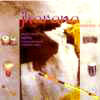 US$ 17
23) JHARANA:
Music from Nepal Chautari Band
Pancha Lama. Namaste, The Nepali word "Chautari" means a rest area in the
mountains where trekkers and travelers take a moment to relax. Usually there are
tall trees near the Chautari and it is filled with the chirping of the birds.
Chautari is a place where Nomads sing and play the flute. It is also a popular
place where villagers gather in the course of their daily activities. It is
formed by typical instrument of Nepal. Bansuri (Bamboo flute), Madal/Tabala/Dholak
(drum), Sarangi, Tungna with guitar, Bass guitar, Mandolin, Drum, Keyboard.
>Jharna: Sound of Water Fall.
>Danfu: "Danfu" is the drum of the Tamang tribe. This melody is based on the
typical rhythm of Tamang.
>Tarai Ko Sanj: Sun set of Tarai. (The place landscape of southern part of
Nepal)
>Tarang: Wave of sound. Wave of sound of different Madal. (typical drum of
Nepal)
>Yama No Cocoros: Heart of Mountain.
>Gothala: Shepherd Flute of Shepherd.
>Shuvaratri: Goodnight.
Pancha Lama: Born in Sarlahi, Eastern Nepal. He started playing the flute from
early childhood. Belonged to Radio Nepal, Music Nepal, Nepal TV and other
studios, while he was a flute instructor in Galaxy School. He released first
album "Chautari" in 1996 and this album "Jharana" in 1999. MUSICIANS: Pancha
Lama: Flute, Madal, Tabala, Nagata Sigeru: Keyboard, Kasai Ken: Guitar,
Mandolin, Tungna, Ito Atsushi: Drums, Danfu, Taiko, Sugihara Kaori: Jambe, Min
Gurung: Percussion, Hiroyuki Minami: Bass, Shanti Rayamajhi: Dholak on track no.
3, Ashim Sherchan: Sarangi on track no. 1, and 8, Ishimoto: Congo on track no.
4, Miyahara: Chorus on track no. 6.
US$ 17
23) JHARANA:
Music from Nepal Chautari Band
Pancha Lama. Namaste, The Nepali word "Chautari" means a rest area in the
mountains where trekkers and travelers take a moment to relax. Usually there are
tall trees near the Chautari and it is filled with the chirping of the birds.
Chautari is a place where Nomads sing and play the flute. It is also a popular
place where villagers gather in the course of their daily activities. It is
formed by typical instrument of Nepal. Bansuri (Bamboo flute), Madal/Tabala/Dholak
(drum), Sarangi, Tungna with guitar, Bass guitar, Mandolin, Drum, Keyboard.
>Jharna: Sound of Water Fall.
>Danfu: "Danfu" is the drum of the Tamang tribe. This melody is based on the
typical rhythm of Tamang.
>Tarai Ko Sanj: Sun set of Tarai. (The place landscape of southern part of
Nepal)
>Tarang: Wave of sound. Wave of sound of different Madal. (typical drum of
Nepal)
>Yama No Cocoros: Heart of Mountain.
>Gothala: Shepherd Flute of Shepherd.
>Shuvaratri: Goodnight.
Pancha Lama: Born in Sarlahi, Eastern Nepal. He started playing the flute from
early childhood. Belonged to Radio Nepal, Music Nepal, Nepal TV and other
studios, while he was a flute instructor in Galaxy School. He released first
album "Chautari" in 1996 and this album "Jharana" in 1999. MUSICIANS: Pancha
Lama: Flute, Madal, Tabala, Nagata Sigeru: Keyboard, Kasai Ken: Guitar,
Mandolin, Tungna, Ito Atsushi: Drums, Danfu, Taiko, Sugihara Kaori: Jambe, Min
Gurung: Percussion, Hiroyuki Minami: Bass, Shanti Rayamajhi: Dholak on track no.
3, Ashim Sherchan: Sarangi on track no. 1, and 8, Ishimoto: Congo on track no.
4, Miyahara: Chorus on track no. 6.
 US$ 17
24) NEPALI: Traditional Songs and Music of Nepal, "Sarangi" is one of the
popular Nepali traditional musical instruments. Though this is a communal
musical instrument of the Gandharba community, yet, now a days, it is being used
by another communities as well. In general, Sarangi can be made by using any
kind of wood. It is opened from above and below and there is good co-ordination
between the two openings. The lower opening is covered with leather and the
upper one is kept open. It has four strings. A wooden nut is placed to tie these
strings. Strings are fixed just above the leather and are tied in a cone shaped
wood, which is known as "Ghodi". It is played with a bow, which has the hair of
horse-tail. It is known as "Gajo" and "Dhanu" in Nepali. Four strings are
arrange in only these notes, 'PA' = 'SA' - 'SA' - 'PA'. The size and the shape
of the middle strings are same and have the same note 'SA' which is called 'Swor'.
The remaining two strings have the same note 'PA'-'PA'. One of the big strings
has low octave and another has middle octave. Among them, one of the edge
strings is made of steel, which is known as 'Teekh' and another is bit bigger in
shape, which is known as 'Ghor'. The two middle strings are raised a bit as
compared to the other strings. In the Ghor string, we use only five notes as:
'PA', 'KOMAL-DHA', 'DHA', 'KOMAL-NI', 'NI' or 'G', 'G Sharp', 'A', 'A Sharp',
and 'B'. One of the middle strings is always kept on ribbing, it means it keeps
on giving continuous sound. In Swor string we use only seven notes as: 'SA'. 'KOMAN-RE',
'RE', 'KOMAL-GA', 'GA', 'MA' 'TIBRA-MA', or 'C', 'C Sharp', 'D', 'D sharp', 'E',
'F', 'F sharp and Teekh has 'PA', 'KOMAL-DHA', 'DHA', 'KOMAL-NI', 'NI' or 'G' or
'G', 'G Sharp', 'A', 'A' One octave has pure 7 notes, which is called "Sargam"
in Nepali. Let's play Sargam SA-RE=GA-MA PA-DHA-NI-(SA).
Traditional Songs and Music: >Dhimal, >Kalilo Tamalai, >Deusi, >Krishna Lila (Gandharba
Song I), >Aajamalal (Gandharba Song II), >Gaunchha Geet Nepali, >Makhmali Cholo,
>Tyamkuli, >Bhailini, >Hamro Tenjing Sherpa, >Newari (Rajamati), >Sarangi and >Madal
Demonstartion (Resham Firiri)
Music Collection and Arrangement: Shishir Thapa, Rhythm (Madal, Dholak, Dhimay
and Tabala): Dhaneswor Tiwari, Flute: Amrit Rana and Durga Gurung, Gandharba
Song I and II Collection: Bukun Gandharba, Special thanks to Sushma Pathak.
US$ 17
24) NEPALI: Traditional Songs and Music of Nepal, "Sarangi" is one of the
popular Nepali traditional musical instruments. Though this is a communal
musical instrument of the Gandharba community, yet, now a days, it is being used
by another communities as well. In general, Sarangi can be made by using any
kind of wood. It is opened from above and below and there is good co-ordination
between the two openings. The lower opening is covered with leather and the
upper one is kept open. It has four strings. A wooden nut is placed to tie these
strings. Strings are fixed just above the leather and are tied in a cone shaped
wood, which is known as "Ghodi". It is played with a bow, which has the hair of
horse-tail. It is known as "Gajo" and "Dhanu" in Nepali. Four strings are
arrange in only these notes, 'PA' = 'SA' - 'SA' - 'PA'. The size and the shape
of the middle strings are same and have the same note 'SA' which is called 'Swor'.
The remaining two strings have the same note 'PA'-'PA'. One of the big strings
has low octave and another has middle octave. Among them, one of the edge
strings is made of steel, which is known as 'Teekh' and another is bit bigger in
shape, which is known as 'Ghor'. The two middle strings are raised a bit as
compared to the other strings. In the Ghor string, we use only five notes as:
'PA', 'KOMAL-DHA', 'DHA', 'KOMAL-NI', 'NI' or 'G', 'G Sharp', 'A', 'A Sharp',
and 'B'. One of the middle strings is always kept on ribbing, it means it keeps
on giving continuous sound. In Swor string we use only seven notes as: 'SA'. 'KOMAN-RE',
'RE', 'KOMAL-GA', 'GA', 'MA' 'TIBRA-MA', or 'C', 'C Sharp', 'D', 'D sharp', 'E',
'F', 'F sharp and Teekh has 'PA', 'KOMAL-DHA', 'DHA', 'KOMAL-NI', 'NI' or 'G' or
'G', 'G Sharp', 'A', 'A' One octave has pure 7 notes, which is called "Sargam"
in Nepali. Let's play Sargam SA-RE=GA-MA PA-DHA-NI-(SA).
Traditional Songs and Music: >Dhimal, >Kalilo Tamalai, >Deusi, >Krishna Lila (Gandharba
Song I), >Aajamalal (Gandharba Song II), >Gaunchha Geet Nepali, >Makhmali Cholo,
>Tyamkuli, >Bhailini, >Hamro Tenjing Sherpa, >Newari (Rajamati), >Sarangi and >Madal
Demonstartion (Resham Firiri)
Music Collection and Arrangement: Shishir Thapa, Rhythm (Madal, Dholak, Dhimay
and Tabala): Dhaneswor Tiwari, Flute: Amrit Rana and Durga Gurung, Gandharba
Song I and II Collection: Bukun Gandharba, Special thanks to Sushma Pathak.
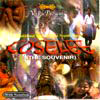 US$ 17
25) COSELEE: (The Souvenir) Traditional Instrumental Nepali Music.
US$ 17
25) COSELEE: (The Souvenir) Traditional Instrumental Nepali Music.
|
1. Around the Jungle: (Sarod, Israj, Flute, Tabala, Madal) |
|
|
Jungle Safari us excellent way of getting enjoyment. When we are going for jungle safari, we feel very peaceful and relaxed. This composition is created to have felt of jungle Safari - "Around the jungle". |
|
|
2. Sebru: (Taranga, Israj, Flute, Damphu) |
|
|
This folk tune is played and sang by the Sherpas of Himalayas and hills of Nepal which is popularly known as - "Sebru". |
|
|
3. Jayajayawanti: (Jaltarang, Sarod, Israj, flute, Tabala) |
|
|
This orchestra is based on Raga Jayajayawanti. This music was composed by Late maestro Ganesh Lal Shrestha seventy years ago. |
|
|
4. Feeling of Terai: (Sarod, Flute, Israj, Tabala) |
|
|
Among the tribes of the Terai of Nepal Maithli is one. This composition includes the some aspects of the culture of the Maithli tribe. |
|
|
5. Water Wave: (Jaltarang, Tabala) |
|
|
This composition is based on Raga Parmeshoari. Which is played under six notes.2nd, 3rd & 7th notes are flat and 5th note is mute. |
|
|
6. Kantipur Folk: (Sarod, Israj, Flute, Madal) |
|
|
This is Newari folk music which has been playing in Kathmandu valley, the city of renounced Newari art and culture since past. |
|
|
7. Koselee:(Sarod, Israj, Tabala) |
|
|
This music was composed by a chorus group of artists as a gift. |
|
|
8. Brushed Sound (Tabala Solo): (Israj, Tabala). |
|
 US$ 17
26) SAREGAMA: Nepali Classical Instrumentals Music, Bikash Nath Yogi: Violin,
Amrit Hira Yogi: Sitar, Rabin Lal Shrestha: Tabla, Shushil Bishokarma: Flute,
Recorded by : Pradeep Bajracharya, Special Thanks to : Surendra Silwal,
Composer: Gopal Nath Yogi.
US$ 17
26) SAREGAMA: Nepali Classical Instrumentals Music, Bikash Nath Yogi: Violin,
Amrit Hira Yogi: Sitar, Rabin Lal Shrestha: Tabla, Shushil Bishokarma: Flute,
Recorded by : Pradeep Bajracharya, Special Thanks to : Surendra Silwal,
Composer: Gopal Nath Yogi.
 US$ 17
27) FULBARI:
Nepali Pop Collection:
US$ 17
27) FULBARI:
Nepali Pop Collection:
|
1. |
Melamchi Panima |
: |
Amar |
|
2 |
Lahure |
: |
Ram Shrestha |
|
3 |
Udi Jane Rumal |
: |
Sanjeeb |
|
4 |
Pareli Bharika |
: |
Om Bikram |
|
5 |
Mayale |
: |
Babin |
|
6 |
Buharijhar |
: |
Bidhan |
|
7 |
Euta Gaun |
: |
Sanjaya |
|
8 |
Sanai Chhada |
: |
Sanjeeb |
|
9 |
Ma Timilai |
: |
Sarishma |
|
10 |
Jhan Jhan |
: |
Sachin |
|
11 |
Gahro Gahro |
: |
Okeely |
|
12 |
Ful Tipda |
: |
Om Bikram |
|
13 |
Ankha Mero |
: |
Babin |
|
14 |
Good Friday |
: |
Deepak |
|
15 |
Let's Go To Nepal |
: |
Group. |
 US$ 17
28) KANTIPUR: Nepali Pop Collection:
US$ 17
28) KANTIPUR: Nepali Pop Collection:
|
 US$ 17
29) MANDALA: Nepali Pop Collection:
US$ 17
29) MANDALA: Nepali Pop Collection:
|
1. |
Kasari Bhanu |
: |
Sanjeep Pradhan |
|
2 |
Ankha Ko Nani |
: |
Harish Mathema |
|
3 |
Timi Pari |
: |
Kandara |
|
4 |
Timi Bola |
: |
Okely |
|
5 |
Hoi Nana |
: |
Mongolian Heart |
|
6 |
Mayalu Ke Ho |
: |
Sanjaya Shrestha |
|
7 |
Maya Ho Ki |
: |
Archana Pradhan |
|
8 |
See U On Sunday |
: |
Ram Shreatha |
|
9 |
Samhali Deu |
: |
Bidhan Shrestha |
|
10 |
Chahey Timi |
: |
Manoj Shrestha |
|
11 |
Kali Kali |
: |
Deepak (Littluns) |
|
12 |
Boudha Mandir |
: |
Nightmere |
|
13 |
Sodhi Hera |
: |
Jenish Mulmi. |
|
14 |
Funny Monkey |
: |
 US$ 17
30) SHANGRI-LA: Nepali Pop Collection:
US$ 17
30) SHANGRI-LA: Nepali Pop Collection:
|
1. |
Sirima Siri |
: |
Sanjeep Pradhan |
|
2 |
Lekaki He Maya |
: |
Kandara |
|
3 |
Jhalijhali |
: |
Babin Pradhan |
|
4 |
Batulo Ankhama |
: |
Sacoz |
|
5 |
Maitighar |
: |
Deepak Bajracharya |
|
6 |
Nacha Maichyang |
: |
Gyan Ratna Marjahan |
|
7 |
Heri Deu |
: |
Okely |
|
8 |
Hoi Nana |
: |
Yogeshwor Amatya |
|
9 |
Om Mane Pame |
: |
Om Mane Pame |
|
10 |
Miss Cat Walk |
: |
Nima Rumba |
|
11 |
Ankhama |
: |
Nabin K. Bhattrai |
|
12 |
O Meri Priyatam |
: |
Sarishma Amatya |
|
13 |
Kanchi Ko Allare |
: |
Bidhan Shrestha |
|
14 |
Lalu Pate Phulya |
: |
Sibira |
|
15 |
Mohani Woi |
: |
Sanjeeb Pradhan. |
 US$ 17
31) THE SUMMIT: The Collaboration of Music, World Color featuring Pamela
Whitman, Emile Hassan Dyer and Shristi. World Color's Journey to "The Summit" is
a musical journey through time and space. The adventure begins on the Plains of
North America and takes listeners on a sonic journey through the Rainforests of
Brazil, Ireland, Vietnam, India and finally Nepal where the sojourn to the top
of the world reaches its mystical peak. The journey reflects the adventure of
life with peaks, valleys and a world of colors and experiences.
World Color is a revolving collaboration of musicians from around the globe,
working together to promote international friendship and world peace through the
medium of music Artistic Director and Flutist Pamela Whitman founded the World
Color in 1989 with a debut performance on a Sioux reservation in South Dakota.
Her artistic journey has included collaborations with musicians from Guatemala,
Ireland, Japan, Mexico, South Africa, Trinidad, Nepal, India, West Africa, US
and a number of Native American nations such as the Blackfoot, Cherokee, Hupa,
Isleta, Northern Cheyenne, Tewa and Yaqui nations, World Color's concerts and
recording are currently highlighting musicians from the Himalaya Kingdom of
NEPAL.
Song List: A Prayer Song, The Summit, Hewlett (Irish Song), Thatyoli, Vietnam,
Jharana, Floating, Leading the People, Sanjhaa Ko Beela, Wolakotta, Peace and
Keaven # 327, Belfast Hompipe, Rainforest Song, Reshamfiriri, Asian Summer time.
Artists and Instruments: Pamela Whitman: Flute, Naresh Thapa: Electric
Guitar/Keyboard, Ashish Sinha: Acoustic Guitar/Effects, Parangat Moktan: Tabala,
Sanjay Shrestha: Various Nepali Traditional Drums, Emile Hassan Dyer: African
Drums and Vocal, Nirakar Yakthumba: Electric Bass Guitar, Dave Rana: Acoustic
Drums, Hiralal Gandarva: (Sarangi) traditional Nepal String instrument and
Vocal, Buddha Gandarva : (Madal) traditional Nepali Drums and Vocal. (Including
LIVE Tracks), featuring: Shristi/World color and all the hottest Pop stars of
Nepal, All Songs Recorded and Re-mastered by Mr. Iman Shah at Sacred Sound and
Studio, Lainchaur, Kathmandu, Nepal, Music Direction: Pamela Whiteman and
Parangat Moktan of World color.
US$ 17
31) THE SUMMIT: The Collaboration of Music, World Color featuring Pamela
Whitman, Emile Hassan Dyer and Shristi. World Color's Journey to "The Summit" is
a musical journey through time and space. The adventure begins on the Plains of
North America and takes listeners on a sonic journey through the Rainforests of
Brazil, Ireland, Vietnam, India and finally Nepal where the sojourn to the top
of the world reaches its mystical peak. The journey reflects the adventure of
life with peaks, valleys and a world of colors and experiences.
World Color is a revolving collaboration of musicians from around the globe,
working together to promote international friendship and world peace through the
medium of music Artistic Director and Flutist Pamela Whitman founded the World
Color in 1989 with a debut performance on a Sioux reservation in South Dakota.
Her artistic journey has included collaborations with musicians from Guatemala,
Ireland, Japan, Mexico, South Africa, Trinidad, Nepal, India, West Africa, US
and a number of Native American nations such as the Blackfoot, Cherokee, Hupa,
Isleta, Northern Cheyenne, Tewa and Yaqui nations, World Color's concerts and
recording are currently highlighting musicians from the Himalaya Kingdom of
NEPAL.
Song List: A Prayer Song, The Summit, Hewlett (Irish Song), Thatyoli, Vietnam,
Jharana, Floating, Leading the People, Sanjhaa Ko Beela, Wolakotta, Peace and
Keaven # 327, Belfast Hompipe, Rainforest Song, Reshamfiriri, Asian Summer time.
Artists and Instruments: Pamela Whitman: Flute, Naresh Thapa: Electric
Guitar/Keyboard, Ashish Sinha: Acoustic Guitar/Effects, Parangat Moktan: Tabala,
Sanjay Shrestha: Various Nepali Traditional Drums, Emile Hassan Dyer: African
Drums and Vocal, Nirakar Yakthumba: Electric Bass Guitar, Dave Rana: Acoustic
Drums, Hiralal Gandarva: (Sarangi) traditional Nepal String instrument and
Vocal, Buddha Gandarva : (Madal) traditional Nepali Drums and Vocal. (Including
LIVE Tracks), featuring: Shristi/World color and all the hottest Pop stars of
Nepal, All Songs Recorded and Re-mastered by Mr. Iman Shah at Sacred Sound and
Studio, Lainchaur, Kathmandu, Nepal, Music Direction: Pamela Whiteman and
Parangat Moktan of World color.
Nepali
Classical: 
|
1. |
Vajra |
: |
Vajra: US$ 17 |
|
2. |
Music for |
: |
Prem Rana Autar: US$ 17 |
|
3. |
Dhyana Aman |
: |
Manonse Singh: US$ 17 |
|
4. |
Heart Sutra |
: |
Santosh Shrestha, Navaraj Gurung: US$ 17 |
|
5. |
Music from Nepal |
: |
Shushil Bishwokarma: US$ 17 |
|
6. |
Tarang |
: |
Homnath Upadhaya: US$ 17 |
|
7. |
Live in Kathamandu |
: |
Shirngara Nepal: US$ 17 |
|
8. |
Sitar Kaasa |
: |
Tara Bhir Tuladhar: US$ 17 |
|
9. |
Sarangi |
: |
Lakali Rolk Music and Cultural Group: US$ 17 |
|
10. |
Inside Nepal |
: |
Hom Nath Upadahya: US$ 17 |
|
11. |
Madal |
: |
Various Artists: US$ 17 |
|
12. |
One night in Kathmandu |
: |
Shristi and Pamela Whiteman: US$ 17 |
|
13. |
Nepal my Nepal |
: |
Solo Sarangi: US$ 17 |
|
14. |
Relaxation of Nepal |
: |
Manose Singh: US$ 17 |
|
15. |
Nameste Nepal |
: |
Various Artists: US$ 17 |
Nepali Pop
Music: 
|
1. |
Maya Namara |
: |
Prem Dhoj Pradhan: US$ 17 |
|
2. |
Asha |
: |
Ram Krishna Dhakal: US$ 17 |
|
3. |
Aroha |
: |
Ram Krishna Dhakal: US$ 17 |
|
4. |
Aavhash |
: |
Nabin K. Bhattrai: US$ 17 |
|
5. |
Prem Ko Mala |
: |
Narayan Gopal: US$ 17 |
|
6. |
Best of Sanjeeb |
: |
Sanjeeb Pradhan: US$ 17 |
|
7. |
Deepak Kharel ka geet haru |
: |
Deepak Kharel: US$ 17 |
|
8. |
Manche lai Dukhchha |
: |
Sakti Ballava: US$ 17 |
|
9. |
Ninpachas Ma |
: |
Nepathtya: US$ 17 |
|
10. |
Usha |
: |
Prebesh Man Shakya: US$ 17 |
|
11. |
Goreto |
: |
Kumar Kancha: US$ 17 |
|
12. |
Crosss road |
: |
Sanjaya Shrestha: US$ 17 |
|
13. |
Bhakha |
: |
Sunil Maskey: US$ 17 |
|
14. |
Avartan |
: |
Mohan Bhusal: US$ 17 |
|
15. |
Bro- Sis |
: |
Bro-Sis: US$ 17 |
|
16. |
Maya Baihechaa |
: |
Deepak Kharel: US$ 17 |
Nepali Pop
Collection: 
|
|
|
|
|
|
|
|
|
|
|
|
|
|
|
|
|
|
|
|
|
|
|
|
|
|
|
|
|
|
|
|
|
|
|
|
|
|
|
|
|
|
|
|
|
|
|
|
|
|
|
|
|
|
|
|
|
|

 US$ 17, 32) VAJRA
 US$ 17, 33) MOMENT
 US$ 17, 34) MUSIC FOR QUIETNESS
 US$ 17, 35) SITAR KAASA
 US$ 17, 36) LUMBINI
 US$ 17, 37) AMITABHA
 US$ 17, 38) AMITABHA KARUNA
 US$ 17, 39) BUDDHA MEDIATIONS
 US$ 17, 40) SAI BHAJAN
 US$ 17, 41) CARAVAN
 US$ 17, 42) BEST OF NABIN K. BHATTARAI
 US$ 17, 43) Deep Shrestha's Dristi
 US$ 17, 44) Newari Folk Songs
 US$ 17, 45) Narayan Gopal (Vol 1)
 US$ 17, 46) Narayan Gopal (Vol 2)
 US$ 17, 47) Deepak Jangam Specials
 US$ 17, 48) Newari Songs
 US$ 17, 49) Contemporary Songs
  US$ 17, 50) Chandani Shah (Vol1)
 US$ 17, 51) Prakash Shrestha (Vol 1)
 US$ 17, 52) Prakash Shrestha (Vol 2)
 US$ 17, 53) Ramkrishna's Aaroha
  US$ 17, 54) Ramkrishna's ASHA
 US$ 17, 55) Mayako Yam
 US$ 17, 56) Aruna Lama Specials
 US$ 17, 57) Gopal Yonjan's Nishani
 US$ 17, 58) Hits of Amar Gurung
 US$ 17, 59) Gulam Ali's Sambandha
  US$ 17, 60) Kumar Basnet's Koselee
 US$ 17, 61) Bhakta Raj Specials
 US$ 17, 62) Ram Thapa's Folk Songs
 US$ 17, 63) Kumar's Folk Songs
 US$ 17, 64) Best of Deep Shrestha
 US$ 17, 65) Collection of Dharma Raj
 US$
17, 67) Best of Om Bikram
US$
17, 67) Best of Om Bikram US$ 17, 68) Remix Songs
 US$ 17, 69) Hits of Phatteman