

Characterization of Elastic-Plastic Transversely Isotropic Materials
Investigators: Toshio Nakamura and Yu Gu. Dept of Mechanical Engineering, SUNY at Stony Brook.
Project aimed at investigation of mechanical properties of anisotropic materials. Inverse analysis was used to characterize elastic-plastic transversely isotropic materials with 3 or more internal state variables. Finite element simulation of the instrumented indentation was carried out to get the data source and measured load-measurement history.
Outline
Inverse analysis
Material model
Computation model
Two unknowns problems
Three unknowns problems
Inverse Analysis
--- post process experimentally meaasured quantities for unknown constants
a) a set of reference data source with known material parameters;
b) experimentally measured load-measurement history.
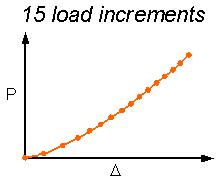
Instrumented micro-indentation: apply loads.
Kalman filter: based on the least-squares theory, updates the previous estimates through indirect measurements and the covariance information of the state and measurement variables.
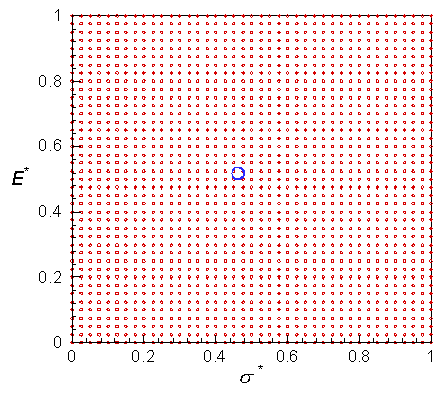
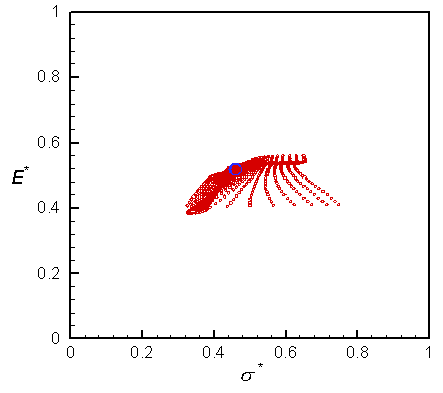
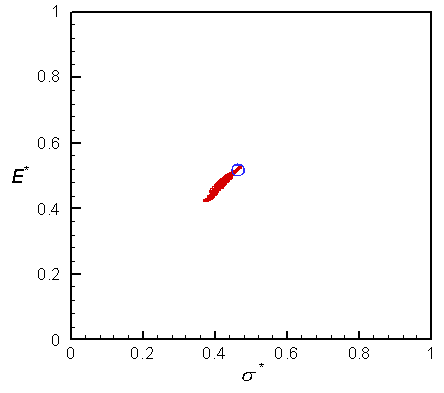
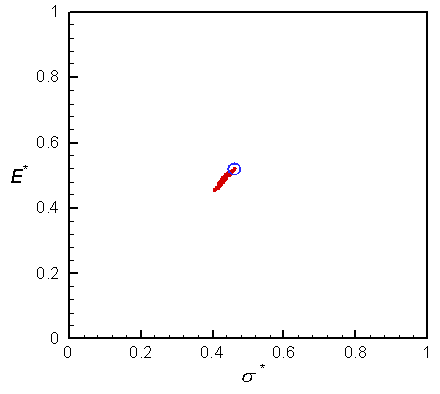
A example of inverse analysis: 41 x 41 initial estimates converged to actual state parameters
|
|
||
|
|
||
|
|
||
|
|
Material Model
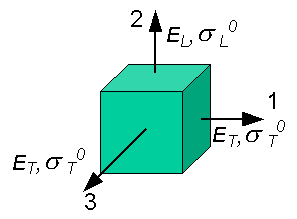
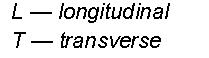
Coordinate system of the transversely isotropic material.
 |
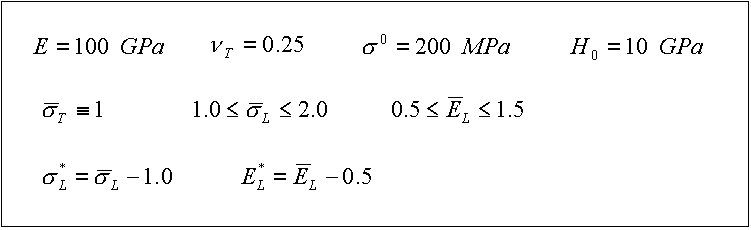
Elastic constants --- 5 independences:
 |
Plastic constants (linear hardening):
 |
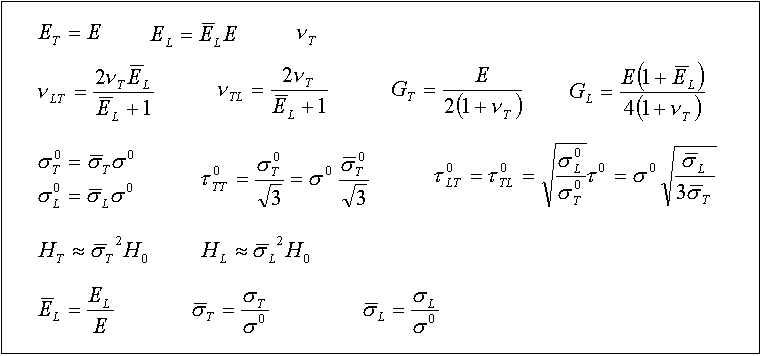
Constraints and normalization:
 |
Computation Model
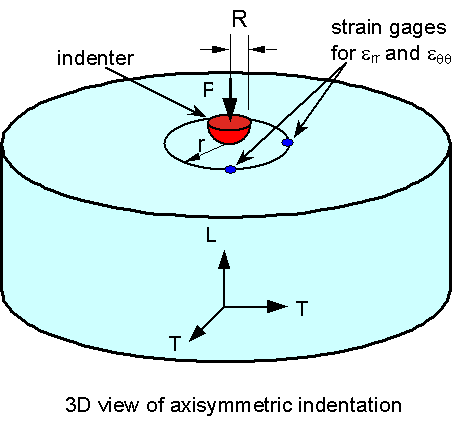
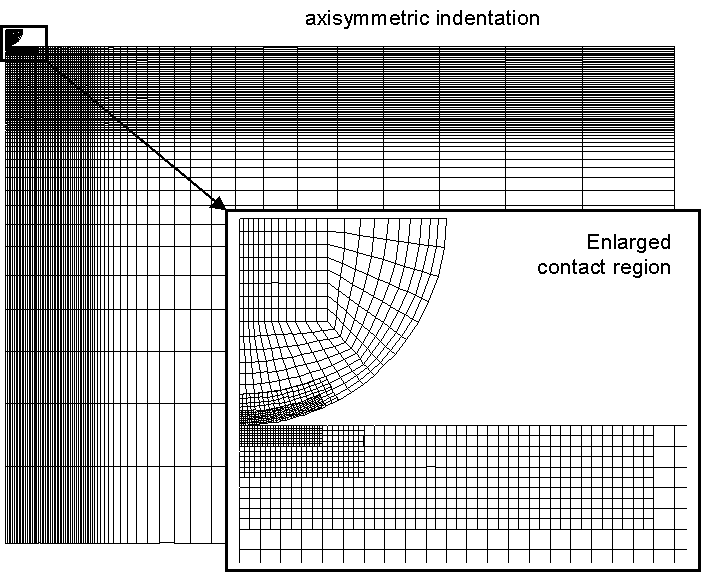
Axisymmetric indentation: up to six measurements if a distribute side load is added.
 |
 |
Finite element mesh:
 |
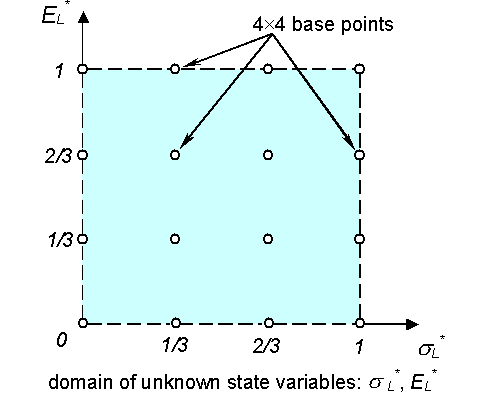
Two Unknowns Problems
 |
Reference data source:
 |
Possible load-measurement history (random error are added):
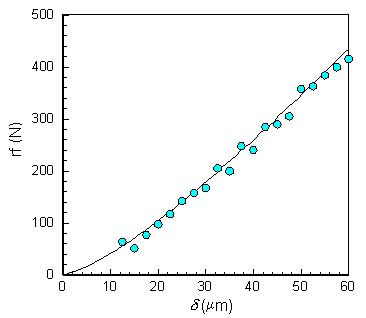 |
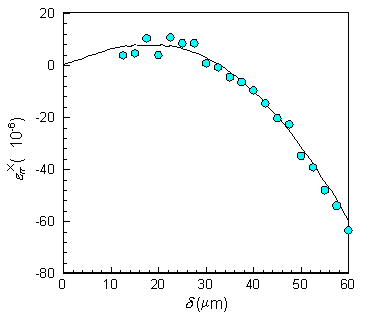 |
Inverse analysis using only one measurement: p
|
converged initial estimates |
final position of all the initial estimates | ||
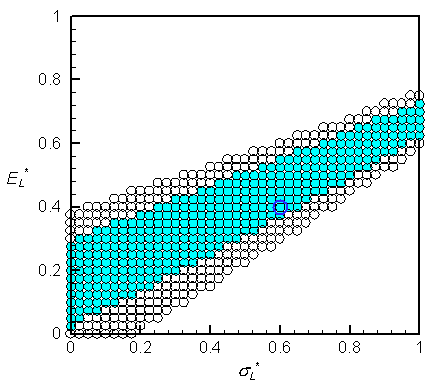 |
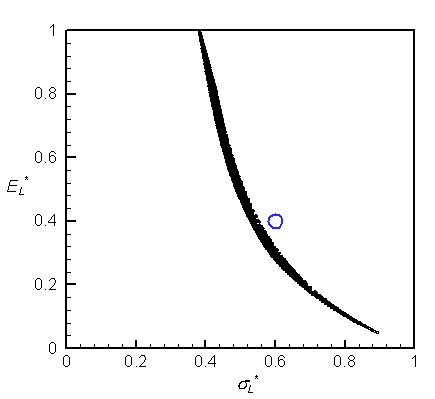 |
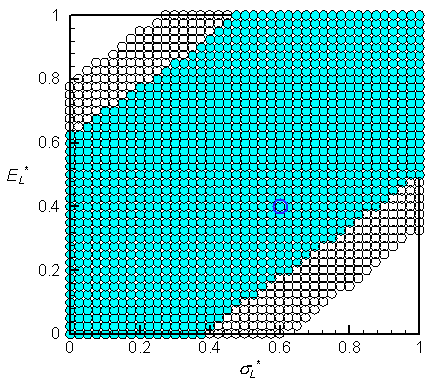
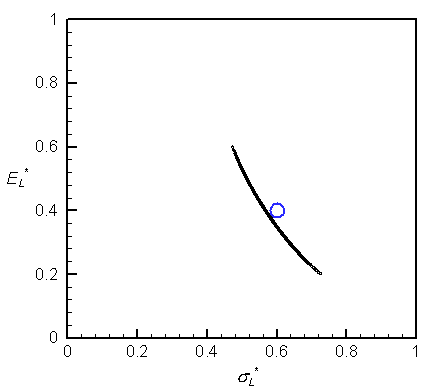
Inverse analysis using two measurements: p1 and p2
| converged initial estimates | final position of all the initial estimates | ||
 |
 |
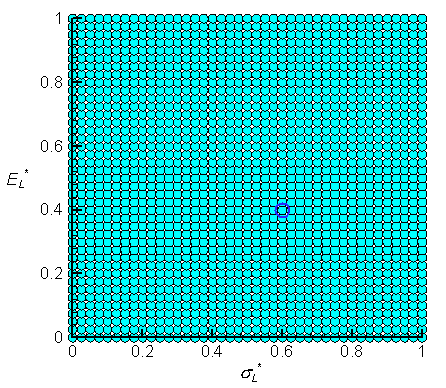
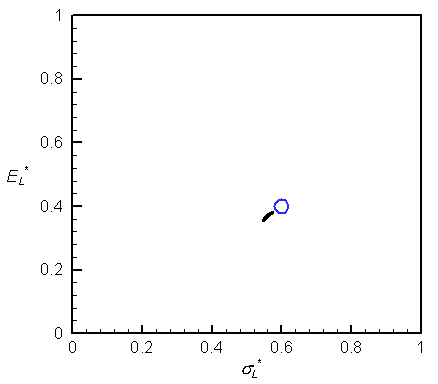
Inverse analysis using two load-measurement: p and err
| converged initial estimates | final position of all the initial estimates | ||
 |
 |
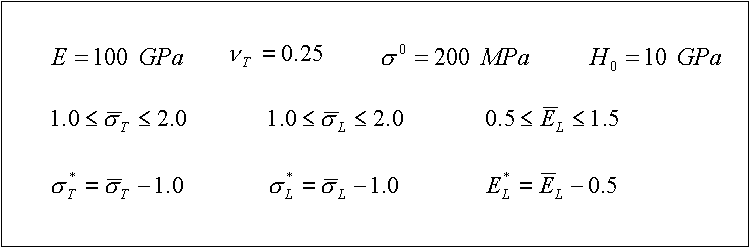
Three Unknowns Problems
 |
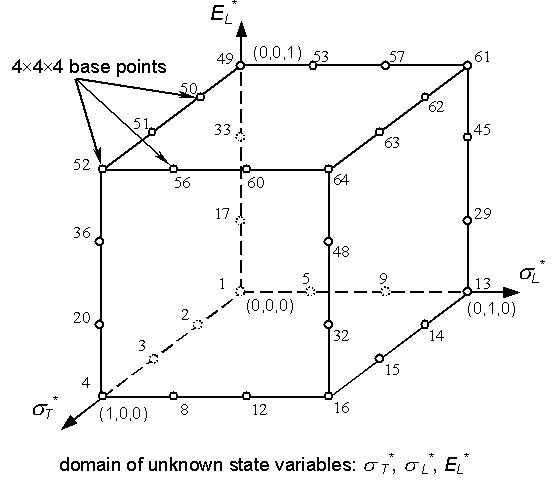
Reference data source:
 |
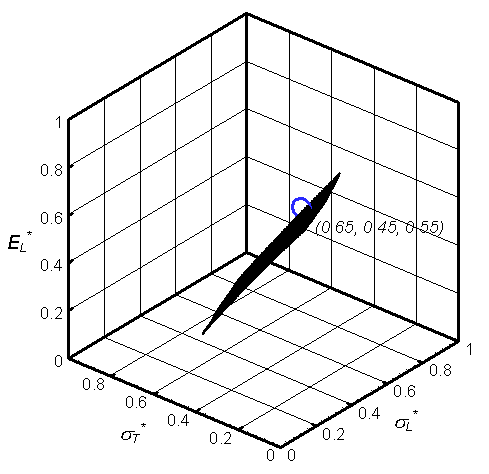
Final position of all the 41x41x41 initial estimates after inverse analysis with two measurements:
 |
Final position of all the 41x41x41 initial estimates after inverse analysis with three measurements:
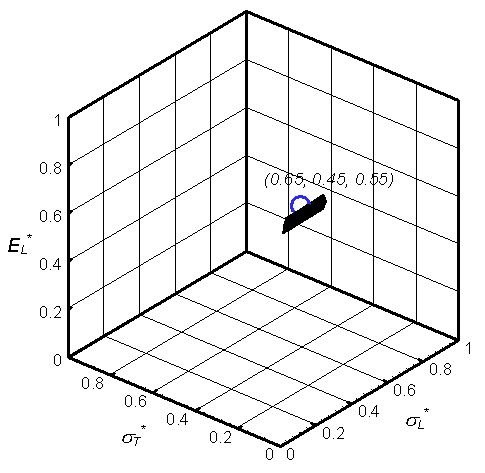 |
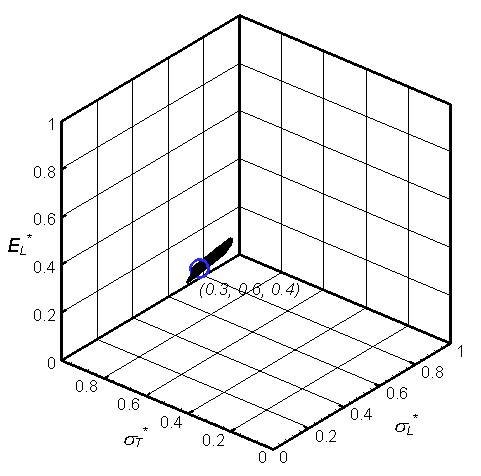
Final position of all the 41x41x41 initial estimates after inverse analysis with three measurements:
 |
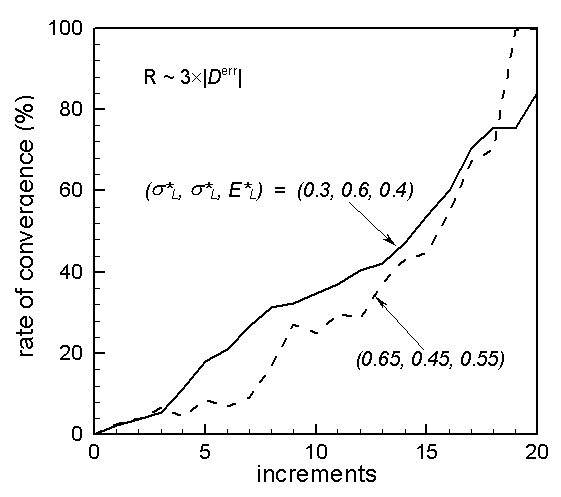
Rate of convergence at each increment (three measurements at two points):
 |
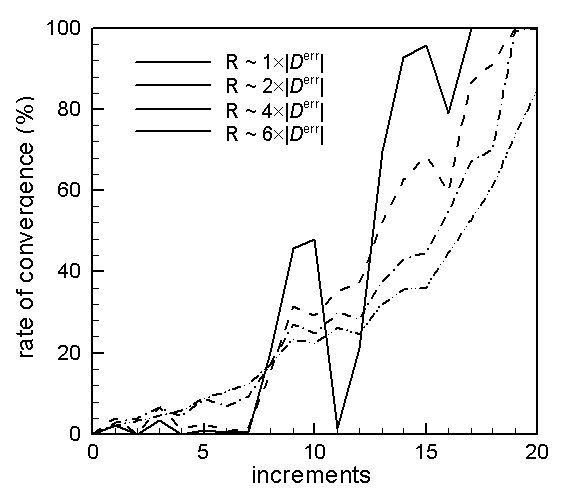
Effect of covariance matrix [R] to the rate of convergence (three measurements):
 |