|
 |
| DIRECTED BY |
| Nanni Moretti
|
| STARRING |
| Nanni Moretti |
| Laura Morante |
| Jasmine Trinca |
| Giuseppe Sanfelice |
| Sofia Vigliar |
 |
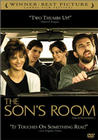
In 2001, The Cannes Film Festival upheld its reputation of giving its highest awards to films that contain the ability to affect us emotionally, but when they gave �The Son�s Room� the Palme D�Or (among other awards,) they acknowledged the fact that these films do not need to be visually striking to be great. Nanni Moretti�s directorial style is extremely simple, at times simply placing the camera near the corner of a table as people chat around it. Yet it doesn�t seem too simple because the story that he�s telling here doesn�t require there to be any visual flair in order for it to evoke emotion, which is quite an achievement in itself.
The story is � on the surface � simple, but the emotional trauma that we see the members of this family go through after their loss is undeniably complex. Moretti is excellent as the psychiatrist who suddenly finds his own self psychologically troubled after this tragedy, as is the rest of the cast. �The Son�s Room� truly is a film that relies totally on its performances � if any of the emotion displayed here seemed at all disingenuous, then the whole film would have been a failure. One scene in particular ranks among the most painful (in a good way) I�ve seen in a film � Paola, the mother, finally finds the courage to reach out to the one remaining glimmer of hope and optimism left after tragedy (Arianna, Andrea�s girlfriend) only to have that glimmer fade away from her.
And then, through all of this despondency, comes the process of healing. While watching the film, I dreaded the possibility that Moretti would end the film with a showing of sentimentality, where the family finds complete redemption after the loss. But Moretti had the sense to be much subtler than that, only showing us a small sign of hope, representing what will surely be a long road to emotional recovery.
| | |