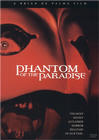
 |
| DIRECTED BY |
| Brian De Palma |
| STARRING |
| Paul Williams |
| William Finley |
| Jessica Harper |
| George Memmoli |
 |
This is about as bizarre as a film could possibly get while still being somewhat comprehensible. De Palma appears to be aiming for a satire on the music industry � the 1970s pop/rock one in this case � and his uncompromising directorial audacity is certainly fun to watch. This film appears as if De Palma simply took every single idea that occurred to him during this time and fused them together � what results is a glamorously executed jumble of both intelligence and ridiculousness.
None of this should have worked, really, and I can only imagine how awful this screenplay must have been to read. But De Palma somehow knew what he was doing here, and his direction is never uncreative nor is it ever boring to watch. It�s fascinating to see that already - in 1974 - near the beginning of his career, De Palma had such a commanding grasp over visual technicalities. The montages in this film are nothing short of spectacular, as we see split screens and various overlapping images all combine and separate fluidly thanks to some very impressive editing techniques.
For all of De Palma's technical mastery, though, he could have done a better job on some of the sound dubbing. We often see characters singing and their mouthes simply aren't in sync with the audio. But it�s also hard to not be impressed by the sheer elaborateness of the film, from the staged performances to the interior of Death Records with its embedded television sets and ubiquitous camera setups. Perhaps most amazing of all, however, is the degree of enthusiasm that William Finley shows in his portrayal of the �maimed, framed, beaten, robbed, and mutilated� music composer.
Of course, a satire is meant to be exaggerated and over the top, but I just couldn�t really bring myself to take any of the societal, social, and commercial comments that De Palma was obviously trying to make here seriously. The fusion of the Faust storyline into the music industry plot is really too humorous to watch than to seriously analyze, but at least �Phantom of the Paradise� still stands as a valid representation of just how far a talented filmmaker can go if he actually has enough enthusiasm to go there.