 |
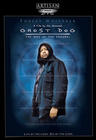
| DIRECTED BY |
| Jim Jarmusch |
| STARRING |
| Forest Whitaker |
| John Tormey |
| Cliff Gorman |
| Tricia Vessey |
 |
The film treads a fine line between sleekly constructed entertainment and philosophical exploration of the state of contemporary American society; clearly Jim Jarmusch�s aim was to fuse both elements together in order to make one coherent, contemplative, and intelligent film in his trademark unique, experimental, and all-around cool style.
I�ve been a great fan of Jarmusch�s simple-yet-stylized directorial techniques since first seeing one of his films. There is an amazing display of creativity in this film, even if - plot wise - much of it isn�t quite believable. For instance, the film contains one of the most creative murders I�ve ever witnessed (a gunshot up through a sink pipe and into an unfortunate fellow�s forehead,) but it�s just not completely believable that Ghost Dog just-so-happened to be there at the right moment. Jarmusch even gets a little sloppy at times - a flashback sequence breaks continuity when we see a guy point a gun at Ghost Dog when he had pointed it at Louie in a previous scene.
Jarmusch�s societal statements are ultimately more amusing than timely, although I think that�s the way he wanted them to be anyhow because he is a director who has the unique ability to cast a subtly humorous tone over his films even though his subject material is usually quite dark. Jarmusch does go overboard in the obviousness department at times, though - particularly during a scene showing Ghost Dog confronting and murdering two hunters because of their killing of a bear.
The protagonist appears to be able to relate with animals far more easily than he is able to relate with other humans, which makes for an interesting statement concerning modern-day alienation. The dialogue exchanges between the English Ghost Dog and his French best friend make for a humorous comment on the state of contemporary human communication. Just about every antagonist in this film watches cartoons; a scene showing Ray Vargo staring mindlessly at a television as a book dangles from his hands appears to best exemplify Jarmusch�s main point here. And then there are the philosophies of the Hagakure, which the contexts of the film�s plot are based upon. Jarmusch develops this main idea well, using his own imaginative style to construct a modern-day retelling of the ancient samurai tale.