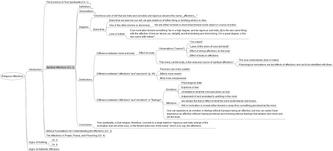
Reading in Signs of the Spirit: An Interpretation of Jonathan Edwards' Religious Affections by Sam Storm. Finish chapter 2.
Degrees
"Only those acts of will that are lively and sensible and vigorous deserve the name _affections_."
Every time
Every time we exercise our will, we give evidence of either liking or disliking what is in view.
One or the other (incline or disincline)
We are either inclined or disinclined toward some object or course of action.
Love or hatred
If our inclination toward something "be in a high degree, and be vigorous and lively, [it] is the very same thing with the affection of love [or desire, joy, delight]; and that disliking and disinclining, if in a great degree, is the very same with hatred."
Distinctions
Difference between mind and body
Effect on body
Observations ("seems")
"Our nature"
"Laws of the union of soul and body"
Effect of strong affections on the body
Effect of body on affections
"The mind, not the body, is the seat and source of spiritual affections."
The soul understands (love or hates)
Physiological sensations are but effects of affections and not to be identified with them.
Difference between "affections" and "passions" (p. 45)
Passions are more sudden
Effects more violent
Mind more overpowered
Difference between "affections" and "emotions" or "feelings"
Emotions
Physiological state
Euphoria or fear
Unrelated to what the mind perceives as true
Indpendent of and unrelated to anything in the mind
Affections
are always the fruit or effect of what the mind understands and knows.
Will or inclination is moved either toward or away from something perceived by the mind.
One can experience an emotion or feeling without it propery being an affection, but one can rarely if ever experience an affection without it being emotional and involving intense feelings that awaken and move and stir the body.
Conclusion
True spirituality, or true religion, therefore, consists to a large extent in "vigorous and lively actings of the inclination and will of the soul, or the fervent exercises of the heart," which is to say, the affections.