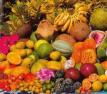
It is inspiring to know that in every aspect of problems in life, there is a solution or a natural remedy. Health problem is no longer a big issue if we just eat and drink the right kind of foods and drinks.
As the saying goes health is wealth.Good health is necessary for all human beings in order to enjoy life forever especially dancing, singing and praising the Almighty God (like Enoch, Elijah, etc.). But because of too many cares in life and influence of modern technologies, we become confused. Manufactured foods and medicines have become very expensive for all of us especially in this time of economic crisis. Oftentimes it is the cost of these medicines and processed foods that use up all our money and savings.
Medicines and foods need not be expensive anymore. Medicinal herbs, fruits, vegetables, seafoods, rootcrops and other natural foods are just at your doorstep. They are found everywhere around you. You can prepare your own medicine and food at home without spending too much.
The medicines in your meals or the foods that fight cancer and other diseases are foods that fight for you when you consume them, because they contain substances that help you safeguard against diseases. Included in this category are antioxidants, beta-carotene, phytochemicals, fiber, vitamins and minerals. Collectively, these disease-preventing components are often called nutraceuticals, from the word "nutrients" and "pharmaceuticals".
Fruits, vegetables, seafoods, rootcrops, unrefined cereals
and other natural foods, supply an abundance of nutrients and fiber that are essential for preventing cancer and other diseases. Three or more servings is the minimum amount needed to reduce your risk of developing diseases. Limit consumption of processed and fatty foods, alcoholic and carbonated drinks; avoid salty, sweet, spoiled, moldy rotten foods, smoking, immorality, too much stress and over fatigue, pollution, x-ray and sun radiation, metal and plastic implants, asbestos, pesticides and other toxic chemicals. Live a clean and holy life in accordance with the precepts, laws, teachings and commandments of the Almighty God.Antioxidants
are vitamins, minerals or other nutrients that fight and disarm the harmful effects of damaging atoms (tiny particles) in the body called free radicals. Free radicals are highly charged molecules (tiny particles) that contain unpaired electrons looking for partners. These destructive actions are believed to lead to cancer, heart disease, cataracts and other complications. Free radicals present in cigarette smoke, pesticides, radiation, toxic chemicals, broiled, fried and processed foods, and other unhealthy and unnatural substances simply collide with molecules in the body that have an even number of electrons and steal an electron like a thief. The result is more free radicals are born and the process continues on and on, like a chain reaction. Free radicals are everywhere, and they constantly attack the healthy body cells and tissues, unless something is done to stop them. As people get older, these free radicals accumulate, often leading to cancer, arthritis, heart disease, tumors, diabetes, blindness, ulcers and more. The damage done by free radicals is called "oxidation," the same process that causes metal to rust and our bodies to age. Thus the way to fight the destruction caused by free radicals is with substances that work against ("anti"-"oxidation") that is antioxidants. To visualize how antioxidants work, think about how an apple begins to turn brown after you cut it in half. This is an example of oxidation. To slow the oxidation process, you can coat the cut portion of the fruit with lemon juice which contains vitamin C. When you eat foods rich in antioxidants, you supply your body with the "lemon juice" it needs to fight free-radical damage. Scientists have identified dozens of antioxidants, some of which are more powerful than others. The four antioxidants many experts consider to be the most important and the ones often referred to as ACES are vitamins A (beta-carotene), C (ascorbic acid), E (tocopherol means life giving) and the mineral selenium.Beta-carotene
is the bright orange pigment that colors a wide variety of fruits and vegetables, from carrots to papaya to pumpkins to spinach (although the green chlorophyll dominates the orange in this and many other leafy greens). When you eat foods that contain beta-carotene, your liver converts it into vitamin A. Beta-carotene neutralizes the harmful effects of tobacco smoke, air pollutants, unhealthty foods and other toxins in the environment that can cause cancer and other diseases. It also hinder the development of skin cancer, early stage cervical and upper digestive tract cancer, heart disease and cataracts. Common food sources are apricots, bitter melon, broccoli, cantaloupe(melon), carrots, kale, mango, malunggay, pumpkin, saluyot, spinach, squash, sweet potatoes, tiesa. Yellow, orange and green leafy vegetables and fruits are rich in beta-carotene.Vitamin C
is sometimes called a "super antioxidant" because it is the most powerful antioxidant found in the body. This powerhouse is the only member of this category that is potent enough to stop the oxidants that start free-radical chain reactions. Vitamin C plays a critical role in reducing the risk of cancer, especially the damaging effects of air pollutants, including secondhand smoke. Common food sources are broccoli, brussels sprouts, cabbage, cantaloupe(melon), calamansi, chico, citrus, duhat, grapes(juice), honeydew, guava, kale, kiwi, oranges, papaya, red and yellow peppers, potatoes, strawberries, pineapple, tomatoes and others.Vitamin E
safeguards all the cells in the body from free radical damage and is particularly protective of vitamins A and C. This antioxidant can protect against cancer as well as cataracts, heart disease, fibrocystic breast disease, leg cramps, stroke and viral infections. Common food sources are sunflower seeds, hazelnuts, almonds, sweet potatoes, cottonseed oil, safflower oil, wheat germ, peanut butter, avocados, mangoes, spinach, apricots and others.Selenium
is a potent anticarcinogen and often works closely with vitamin E in the fight against cancer. Yet selenium alone may also be effective as an anticancer agent by blocking tumors and the spread of cancer and by limiting the damage done by toxins that enter the body. Studies suggest that a too low level of selenium in the bloodstream is associated with a greater prevalence of cancer of the breast, colon, rectum, and other body sites. Common food sources are wheat and rice bran, broccoli, cabbage, celery, cucumbers, garlic, mushrooms, onions, wheat germs, whole-grain flour.Phytochemicals
(phyto means "plants") are food components different from vitamins and minerals that have the potential to enhance health. While they are in the plants, phytochemicals protect the plant cells from toxins. When you eat these plants, the phytochemicals continue to work, but now they are protecting your body cells. Of the hundreds of phytochemicals, researchers have identified one, recognize by name chlorophyll, the pigment that gives green plants their color. Experts believe that it is the combination of elements in a plant that creates its protective or healing power.Vitamin B
. In addition to the antioxidant vitamins and nutrients, there are several vitamins and some minerals that can protect against cancer. The B vitamins (B1-B17) generally work closely together and are used by the body for metabolism, the breakdown and use of carbohydrates, fats and protein for energy. Several of the B vitamins also have a role in strengthening the immune system and thus possess cancer protection abilities. Vitamin B1 (thiamine) works with vitamin B6 and vitamin E to neutralize free radicals. Food sources include peanuts, sunflower seeds, bulgur, chickpeas, navy beans, brown rice, soybeans, wheat germ and whole grain flour. Vitamin B2 (riboflavin) teams up with enzyme glutathione reductase to make another antioxidant, glutathione. Food sources include fortified cereals, breads, broccoli and its sprout, spinach, sweet potatoes and turnip green. Vitamin B3 (niacin/niacinamide) has a key role in metabolism and in maintaining healthy skin, nerves, and mucous membranes. Researchers believe that niacin boosts the cells ability to resist cancers. Food sources are barley, bulgur, brewer’s yeast, beets, peanuts, sunflower seeds, and chicken breast. Vitamin B5 (pantothenic acid) appears to stimulate immune system cells and is important in the manufacture of red blood cells. Sources are whole grain cereals, nuts, peas, corn, lentils, green leafy vegetables and mushrooms. Vitamin B6 (pyridoxine) is the protein vitamin because it is essential in the manufacture and conversion of protein. Low levels of this vitamin have been associated with a weakened immune system. To prevent this condition, eat bananas, avocados, carrots, lentils, brown rice, soybeans, sunflower seeds and whole grain flour. Vitamin B7(Biotin) is important for a strong immune system. The body manufactures biotin in the intestines and derives it from foods such as soybeans, oatmeal, bananas, rice bran, barley and peanut butter. Vitamin B12 is important in metabolism, in the production of red blood cells, and in maintaining a healthy immune system. Sources are found in cereals, soy products, sea vegetables. Vitamin B17 (Laetrile) is a vitamin substance extracted from apricot pits and other edible plants like cassava, sweet potatoes, parol-parolan, patani beans, soy beans, and tiesa.Folic acid
(also known as folacin and folate) is responsible for maintaining cell DNA and a strong immune system. It also prevent colorectal and cervical cancers by blocking the transformation of normal cells into cancer cells. Excellent sources of folic acid are lentils, black-eyed spinach, chicory, turnip greens, romaine lettuce, avocado, papaya and parsley.Calcium
is believed to help reduce the risk of cancer, especially colon and rectal cancer. Before you reach for the milk and cheese, consider calcium-rich milk and foods that offer the added bonus of other cancer fighting phytochemicals. Soy milk and soybean products, legumes, beans, and calcium-rich vegetables such as broccoli, collards, spinach, seaweeds and seafoods can provide all the calcium your body needs while fighting cancer, heart disease, and diabetes. Whole milk and whole-milk products have been linked to an increased risk of lung cancer and heart disease. Small amount of low and nonfat dairy products may be used occasionally but are not considered part of a cancer-prevention diet plan.Zinc
is important for maintaining a healthy immune system. It works with copper to neutralize destructive forms of oxygen and also stabilizes cell membranes against damage from carcinogens. Researchers have found a strong correlation between the level of zinc in the prostate and prostate disease. A healthy prostate contains more zinc than any other organ in the human body, and studies of men who have died of this cancer usually show low levels of zinc. Foods with high amounts of zinc include pumpkin seeds, dried beans, lentils, peas, soy products, wheat and rice bran, molasses, sunflower seeds, wheat germ, whole-grain flour and others.Fiber or "roughage"
a term that doesn’t make it sound appealing, is the part of the vegetable, grain, legume, or fruit that after you eat the food and processed, it is not digested. And there are very good reasons, experts believe, why fiber is not destroyed or absorbed during the digestion process. One is that it allows stool (toxins) to move quickly through the colon, which reduces the amount of carcinogens and fats in the intestines as well as the amount of time they spend there. This rapid transport process is believed to be a key factor in reducing the risk of colon cancer. A high-fiber diet is associated with protection against cancers of the esophagus, mouth, pharynx, stomach and endometrium (lining of the uterus). Fiber also lowers the levels of sex hormones in the body, which prevents or slows the progression of hormone-sensitive cancers such as those of the breast, prostate, and ovaries. There is another anti-cancer property found in vegetable fibers. When vegetable fibers reach the large intestine, fermentation produces a compound called butyrate, which can transform precancerous cells back to normal cells.The advantage of getting your nutrients in food rather than in supplements is that the food provides a complete form of nutrition while supplement offers an isolated component. When you take a vitamin C supplement you get that vitamin only. But when you eat an orange, you absorb vitamin C as well as all the other phytochemicals, nutraceuticals and fiber it contains---nutrition that nature intended it to be.
Top cancer and other diseases protective foods and drinks are apples, apricots, asparagus, alugbati, atis, avocados, bananas, barley, beans (all varieties), bitter gourd (ampalaya), broccoli and its sprouts, brussels sprouts, cabbage, cantaloupe (melon), carrots, cashew, cauliflower, celery, chico, citrus, calamansi, cassava, collard greens, corn, currants, dandelion greens, durian, eggplants, figs, flaxseed, gabi, garlic, grapefruit, guava, guyabano, jackfruit, kale, kiwi, lemons, lentils, mabolo, makopa, mangoes, malunggay, mushrooms, nuts, oats, olive oil, onions, oranges, papaya, parsley, patani, pasta, peppers, pineapple, potatoes, pumpkin, radishes (labanos), rice (brown), santol, sea vegetables, seeds, siniguwelas, spinach, squash, star-apple, strawberries, tangerines, tea (banaba tea, green tea, guava tea, taheebo tea, pandan tea, sabila (aloe vera), St. Johns Wort tea, violet tea, Yarrow tea, Hawthorne tea, Jason Winters tea, Tofu and other soy foods, tomatoes, turnips, watercress, watermelon, wheat. Wash thoroughly all fruits and vegetables with clean water and vegetable wash detergents if available, then rinse it well.
Apples
. Fruit contains anticancer substances known as phenols, which neutralize certain carcinogens, disrupt the transformation of precancerous cells into cancerous ones, and stimulate the body’s production of natural cancer fighters. Apples also contain a soluble fiber called pectin, which is known to reduce the risk of colon cancer. Most of the pectin is in the peel, so it is best to buy organically grown apples, or thoroughly wash conventionally grown apples before eating.Asparagus.
This plant was called the "king of vegetables" by the ancient Romans and Greeks, who used it to treat arthritis, toothache and infertility. Today researchers know it contains the potent antioxidant glutathione, which is helpful in the fight against cancer, cataracts, and heart disease.Avocados.
The avocado is an excellent source of the antioxidant glutathione and a good source of vitamins C and B6. Although high in calories and fat, the fat is the good kind like the mono-unsaturated fat found in olive oil. Include avocados less often in your diet than other fruits, perhaps once or twice a week..Beans.
These powerhouses of nutrition are also versatile in the kitchen. They contain good amounts of protease inhibitors, lignans, phytoestrogens, and fiber. All are potent cancer fighters. Studies show that people who make beans a significant part of their diet are less likely to have breast cancer or to die of pancreatic cancer.Broccoli sprouts, broccoli and other cruciferous vegetables
. All of the cruciferous vegetables contain the powerful anticancer agents sulforaphane and indole-3-carbinol, with broccoli sprouts leading the way in cancer-prevention power. Include at least one vegetable, preferably two, from this group every day, and make one of them broccoli sprouts.Cantaloupe (Melon).
Just one-half cantaloupe contains 186 percent of the RDA (Required Daily Allowance) for vitamin C and nearly 90 percent for vitamin A. Two powerful antioxidants that help fight cancer. Eat it often when it is in season.Carrots.
One medium carrot has more than 200 percent of the RDA of vitamin A, an antioxidant that is known to fight cancers of the esophagus, bladder, larynx, lung, prostate, cervix, neck, head and stomach. Carrots also contain the cancer fighters p-coumaric acid and chloregenic acid (also in strawberries) and the powerful antioxidant lycopene, found in abundance in tomatoes.Celery.
Many people think of celery as a boring diet food, yet it contains several powerful anticancer agents, such as phthalides and polyacetylenes. These substances render carcinogens harmless, before they have the opportunity to cause damage. Studies suggest celery is particularly effective against stomach cancer.As a "functional food," coconut oil is now being recognized by the medical community as a powerful tool against immune diseases. Several studies have been done on its effectiveness, and much research is currently being done on the incredible nutritional value of pure coconut oil. Please browse the links page to read about these studies. To add pure virgin coconut oil to your diet, you can purchase the Tropical Traditions brand made in the Philippines.
Extra Virgin Coconut Oil is the healthiest, most versatile unprocessed dietary oil in the world. Our Extra Virgin Coconut Oil is made from organically grown coconuts and is an excellent cooking oil. It contains Medium Chain Triglycerides (MCTs) which the body metabolizes quickly, converting the fats to energy rather than storing them as fat. Extra Virgin Coconut Oil is a stable, healthy saturated fat that does NOT elevate "bad" (LDL) cholesterol.
Garden of Life® Extra Virgin Coconut Oil is rich in lauric-acid (50-55% capric and caprylic acid.) These are super fatty acids with strong anti-microbial properties. We think it is simply the best tasting, most aromatic coconut oil on the planet!
Health Benefits of Coconut Oil
Coconut oil has been used as a cooking oil for thousands of years, and is still a staple in the diets of many people living in tropical areas today. It was once popular here in the United States as well, until shortages of imported oils during WW II created the need to promote local oils like soybean and corn oil. Soon, polyunsaturated fats became the norm in this country; and with it came a rise in obesity, higher cholesterol levels, and degenerative diseases related to aging.
Coconut oil has been shown to reduce the symptoms of digestive disorders, support overall immune functions, and to help prevent bacterial, viral and fungal infections. People who consistently use coconut oil, report changes in their ability to go without eating for several hours without experiencing the effects of hypoglycemia.
Good Fat vs Bad Fat
Research done in the 1950s concluded that all fat was bad. And still today many people equate fat with weight gain, clogged arteries, high blood pressure, etc. However, certain fats actually help to prevent those conditions and are essential to good health. Early researchers failed to distinguish between saturated, monounsaturated, and polyunsaturated fats. They assumed at the time, that all fats (including coconut oil) were unhealthy because they raised serum cholesterol levels. But, in revisiting those studies, researchers found that hydrogenated (refined) coconut oil had been used. All hydrogenated oils produce higher serum cholesterol levels, and contribute to greater oxidation and free radicals in the body. In fact, further research has shown that excess amounts of trans-fatty acids (found in hydrogenated vegetable oils) increase the risk of degenerative diseases and other age-related maladies.
Studies have shown that the amount of unsaturated oil in the diet strongly affects the rate at which wrinkled skin develops. Taken internally and used topically, Extra Virgin Coconut Oil is effective at slowing down that process.
Extra Virgin Coconut Oil has tremendous antiviral properties. Lauric Acid makes up 50 to 55 percent of the medium-chain fatty acids in Extra Virgin Coconut Oil. In the body lauric acid converts into monolaurin, a compound which is adept at fighting viral pathogens, and is also present in large quantities in breast milk, where it protects infants from viral,bacterial and parasitic infections.
Coconut Water-Coconut Juice (Buko Juice)
This Coconut Juice is actually the coconut water from young coconuts. It is very alkalinizing to the body because it is high in Potassium and contains other alkalinizing minerals like Calcium and Magnesium. This delicious juice is called Buko Juice in the Philippines and is excellent for replacing electrolytes or rejuvenating the body on a hot summers day. Try it out on your children for their school lunches or with a mid afternoon snack. Or take it with you on those long bike rides. Enjoy a cold one after a run or mowing the lawn.
Coconut Water is very similar in pH to the blood. And very similar to cell salts. When the system is under stress, when a person is bed ridden or very sick, the water from young coconuts is one of the only things that can "revive them" and help them recover. When someone is extremely acidic in body pH, when they are bed ridden and not doing very well etc. The water from young coconuts can play a key role in their recovery.
During World War II, when IV solution was scarse, they used the water from young coconuts as IV solution!! In asian countries, where coconuts abound it is this very same water that is considered one of the most healthy drinks available.
Buko juice also contain special molecules called Cytokinins. Cytokinins are protective factors to the cells as they undergo cell mitosis (cell division). As cells replicate the DNA is constantly being copied. without cytokinins there is on occasions mistranslating of the DNA molecules, however, with cytokinins present the DNA is replicated perfectly everytime. Cytokinins are the subject of current research. As a matter of fact, these molecules have just begun to catch the
eye or researchers, but it looks like they may play a key role in fighting sickness and disease and in helping with longevity. There are a few sources where cytokinins are quite high. Not surprising, the juice from young coconuts is one of the best sources of cytokinins!Eggplants.
This vegetable come in several varieties, most commonly purple and white. Eggplant contains significant amounts of terpenes and other cancer-fighting phytochemicals and is a low-fat, low-calorie addition to any diet.Garlic and Onions
. Chemicals called allylic sulfides, present in significant amounts in garlic and onions, are believed to stimulate enzymes in the body that neutralize cancer-causing substances. Garlic contains more than thirty substances known to help fight cancer, including ajoene, quercetin, and diallyl sulfide. Studies of both people and animals show that eating garlic and onions lowers the rates of breast, colon, stomach and esophageal cancers. Onions contain about 150 phytochemicals, and researchers have discovered that the phytochemicals consisting of sulfur compounds have antioxidant powers and appear to reverse some of the cancer-causing cell damage performed by free radicals. Yellow and red onions contain high amounts of quercetin, which defuses cancer-causing agents and enzymes that stimulate cancer growth, especially stomach cancer. For optimal cancer protection, include one-half onion and three cloves of garlic to your diet per day.Grapes.
Like strawberries, grapes contain ellagic acid, a powerful inhibitor of cancer cell growth. The antioxidant quercetin is found in red grapes, and extracts of concord grapes retard tumor growth in animals. European grapes (Thompson) have higher levels of vitamin C and fiber than their American cousins. The peel of the fruit is good for morbid cancer. Recently, a bioflavonoid extracted from grape seeds was discovered to pack a more superior antioxidant punch known as procyanidolic oligomers or PCO. Scientists discovered that PCO is 50 times more powerful than vitamin E and 20 times more effective than vitamin C.Guava, Mango, and Papaya
. All three of these tropical fruits are excellent sources of the cancer-fighting antioxidant vitamin C: guava, 275 percent; mango, 90 percent; papaya, 317 percent. For cancer-fighting fiber in the form of pectin, guava has the greatest amount, with mangoes and papayas not far behind. Studies show a 50 percent reduction in the rate of colon cancer among animals fed with pectin. Include all of these tropical fruits in your menu plan when they are in season.Lentils.
A single serving of this legume contains 86 percent for folic acid, an important anticancer vitamin. Other cancer-fighting substances in lentils are phytates, which help hinder the development of cancer; and fiber, which protects against colon, rectal, pancreatic, prostate and breast cancer.Mushrooms
. The medicinal value of mushrooms is found not in the button variety, but in the more exotic reishi, shiitake, and maitake. These mushrooms stimulate the T cells in the immune systems, which appear to have effective cancer-fighting abilities. Shiitake contain a powerful antitumor agent called lentinan, while an anticancer agent called beta-glucan has been found in maitake. They can be purchased either fresh or dried for addition to casseroles, soups, stews, stir-fries, and salads.Nuts.
Nuts are good source of fiber, magnesium, and protease inhibitors, the latter of which disrupt the activity of enzymes that stimulate cancer growth. Different nuts possess different anti-cancer abilities. For example, Brazil nuts are rich in selenium. Oleic acid and ellagic acid, which may protect against cancer, are in walnuts. The cancer-preventive mineral magnesium is found in almonds, filberts, hickory nuts, and cashews. All nuts except chestnuts are high in fat, so use them sparingly as a substitute for meat, poultry, dairy, and other fatty foods. Nuts contain high levels of the amino acid arginine, people with herpes should avoid nuts.Oats.
Known for their ability to lower cholesterol, whole oats and oat bran are important in preventing cancer. Both contain phytates, substances that may disrupt cancer development by disengaging the hormones that encourage tumor growth.Oranges and Other Citrus Fruits
. When it comes to cancer-fighting power, oranges are near the top of the list. They contain every type of natural anticancer substance scientists have discovered to date. Oranges, grapefruit, tangerines, lemons, and limes contain more than fifty substances that fight cancer, including anti-oxidants, flavonoids, terpenes, limonoids and carotenoids. Monoterpenes, for example, remove carcinogens (such as those from air pollution, food, or smoke) from cells to prevent them from becoming cancerous.Citrus fruits
are also excellent sources of vitamin C. Just one orange or grapefruit supplies more than 100 percent of the Recommended Daily Allowance (RDA) of this cancer-fighting vitamin. While studying the protective effects of vitamin C against cancer, researchers made an interesting discovery: 3 ounces of freshly squeezed orange juice per day are more effective than a supplement containing 1,000 milligrams (mg) of vitamin C, even though the juice contains only 40 milligrams of the vitamin. Additional studies were done with the same result. Clearly, oranges contain other fighting phytochemicals, and they all work together to produce the beneficial effect. If you want to significantly reduce your risk of developing pancreatic cancer, eat a grapefruit every day.Pasta.
Pasta’s anticancer power lies in its fiber content. If you eat the whole-wheat varieties, you’ll get the maximum effect. Whole-grain versions have more than double the fiber of other pastas. When served with tomato sauce and/or vegetables, beans, or legumes, you have a delicious, cancer-fighting meal. Enjoy it several times a week.Peppers.
Both hot chili peppers and sweet peppers are high in anti-oxidants; in fact, one chili pepper has 200 percent of the RDA for vitamin C and 100 percent for beta-carotene. Sweet green peppers also contain the anticancer agents p-coumaric acid and chloregenic acid (as do strawberries), and sweet red peppers contain lycopene, the potent cancer fighter found in tomatoes.Potatoes.
White potatoes and sweet potatoes are both good sources of the antioxidant vitamin C, while sweet potatoes have an exceptional amount of vitamin A. Potatoes also contain the anticancer agents polyphenols and protease inhibitors, which help prevent the development of cancerous cells. Include these tubers daily, in your diet if possible.Rice.
Brown rice is the anticancer favorite when compare to white rice. One-half cup of brown rice contains 67 percent of the RDA for thiamine. Low levels of thiamine have been linked with an increased risk of prostate cancer. Rice also is a source of protease inhibitors and fiber.Sea vegetables
. Fuciodan is the name of the anticancer ingredient in sea vegetables (or seaweeds) that helps prevent the development of cancer and slows the rate of the disease if it is already present. Sea vegetables such as kelp, nori, sea lettuce, dulse and Irish moss can be added to stews, soups and casseroles or rolled around rice to create nori rolls.Seeds.
Seeds are the single most important food source for humans. More than 60 percent of the protein consumed in the world comes from seeds. These foods contain protease inhibitors, which help to hinder cancer growth and also act as antioxidants. Sesame seed, for example, contains sesamin, an antioxidant that helps counteract cancer processes in the body. Pumpkin seeds contain high amounts of zinc and are used to guard against and treat prostate cancer. Because of their high caloric and fat content, use seeds as a condiment, sprinkled on cereal, casseroles, or salads or as an occasional light snack.Soybean-based Foods
. A diet rich in soybeans and soy-based foods (tempeh, tofu, textured vegetable protein, miso, soy milk, and meat and dairy analogues) appears to offer protection against cancer and cardiovascular disease.Spinach
. This leafy green vegetable is rich in folic acid, a potent anticancer vitamin.Strawberries.
This berry contains several cancer-fighting substances. High on the list is vitamin C: one cup of strawberries has 141 percent of the RDA for this vitamin, which helps the components of the immune system destroy cancerous growths. A high level of ellagic acid, a proven cancer-fighter, is also found in this fruit. Two other substances in strawberries, p-coumaric acid and chloregenic acid, help reduce the risk of cancer by attaching themselves to cancer-causing nitric oxides from certain foods and flushing them out of the body. Finally, the fiber in strawberries helps protect against cancers of the colon, pancreas, breast, prostate and rectum. Buy only organically grown strawberries not treated with pesticides.Tea.
Green tea may help reduce the incidence of cancers of the esophagus, lung, stomach, and skin. Green tea contains vitamins A, C, and E. Although most of the research on the benefits of green tea has been done in animals, results of several studies in humans suggest that drinking green tea significantly lowers the risk of developing cancers of the pancreas, stomach, colon and esophagus. Other herbal teas that fight cancer and other diseases are Jason Winters tea, taheebo tea, and guava tea. It is a powerful blood detoxifier and it fortifies the immune system thus it helps cure oneself and takes off dirt in the blood. According to the study of the Institute of Chemistry, University of the Philippines, complete inhibition of the formation of all types of tumors was exhibited by decoction from leaves of guava, sulasi, kalatsutsi, yerba buena, pandan, kinchay, sabila (aloe vera), damong maria, mayana and flowers of santan pula and santan dilaw.Tomatoes.
Tomatoes have a special antioxidant called lycopene, which is believed to be more powerful than beta-carotene when it comes to fighting certain free radicals. Include tomatoes and tomato products in your diet daily if possible.Watermelon
. Like tomatoes, watermelon contains the powerful anticancer antioxidant called lycopene. Watermelon also is a good source of vitamin C. Enjoy it everyday when it is in season.Wheat.
The many faces of wheat – wheat berries, wheat bran, groats, cracked wheat, couscous -–offer a good source of fiber and reduce risk of colon cancer. Wheat also lowers the level of estrogen in the blood, which reduces the risk of breast and prostate cancers. One more feature of wheat is the presence of ferulic acid, which has demonstrated anticancer abilities in lab animals.This list of culinary cancer and other disease fighters is proof of the many options available to you to ward off cancer and other serious diseases. Many health and nutrition experts recommend that diets should be low in calories and fats to decrease the risk of developing heart disease, cancer and obesity instead increase consumption of leafy green and yellow vegetables, fruits, seafoods and unrefined cereals.