***How music gets into your radio***
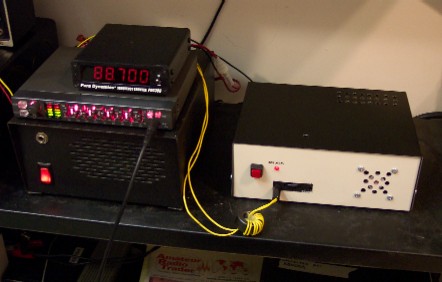
Transmitters vary in power output (watts) - one of the factors that determine the range or broadcasting coverage. Transmitters used for licensed commercial radio stations usually transmit somewhere between 5,000 to 20,000 watts (enough power to light up the whole community!) But to be heard around the block or to cover the range of your neighborhood (legally without a license) all you need is less than a watt and good Antenna.
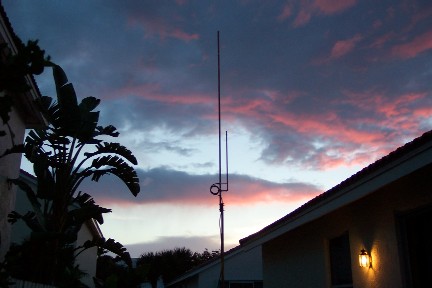
Second major factor determining the range of the radio station is the type of the antenna used and it's height above the ground and obstructions. As you might know, antennas are used to radiate or release radio waves created by the transmitter. They also are used for receiving signal from the air, but that's not the case with radio station broadcasting. All antennas vary in gain, or the amplification of the signal supplied into them. More gain you have, more power is being transmitted, more range you get.
Third factor determining the range of the radio station, as mentioned, is the height of the transmitting antenna. It is very important to be as high above obstructions as possible. Radio waves can travel through various objects like buildings, trees etc., but as they do their power or intensity to keep going will be reduced to the point where they are no longer able to be picked up by the receiver.
So far these are three basic factors that determine range of the radio station, but there are many other small details that play a role too. One of them is the position of receiving antenna. This factor shows up when on one spot you hear the signal, but when you move away to a different spot you loose it. That's why when you are having trouble hearing radio station, try to change location of your radio to a different one. Another minor factor are conditions or condition of the atmosphere. Most basic one is weather. If it's raining outside, wet trees, roofs or even rain drops in the air usually create obstacles for the path of the radio waves. On other hand complicated temperature inversions sometimes can create a pathway or like a tunnel for radio waves to travel much greater distances than they usually do. When that condition occurs, for example, you can hear Christian Radio 88.7 station all the way from Fort Pierce (+/- 100mi) on the same channel with my radio station. That is a phenomenal effect that does not happen on a regular basis.