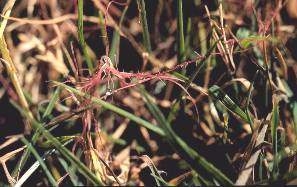
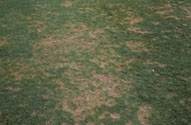
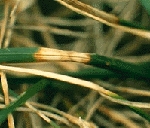
The single most common problem that causes a disease outbreak in an abundance of moisture. This can be from natural rain fall, heavy dews in the mornings, high humidity, and irrigation. All these forms of moisture can cause an outbreak, but in our past experience improper irrigation is the number 1 cause. Watering to often or watering in the afternoon or evening will cause the turf to stay wet for long periods of time and allow plenty of moisture for the fungus to grow and harm the turfgrass.
Always water in the mornings and try to be done by 10 am. Watering in the afternoon will rewet the turfgrass and restart the disease activity. Watering 2 times per week is best but you may be able to go to 3 times per week if needed. NEVER water daily. If you are watering 2 times per week and it does not look like enough water, increase the lenght of time for each station rather than adding a day onto the watering schedule. Most lawns can survive on 1" of water per week. REMEMBER rainfall counts. If we are having a rainy period turn your system off. If you are noticing a disease outbreak there are things you can do. Watch the moisture on your lawn. Back off on the watering if possible, don't water right before it is going to rain, and remove some of the moisture in the affected areas. You can remove some of the moisture by laying out a garden hose and dragging it across the lawn. This will knock off the dew droplets and make the lawn dry faster therefore reducing the amount of wet hours the disease has to be active for the day.
Once the lawn has disease damage severe enough for treatment, a fungicide needs to be used. Fungicides will not kill the fungus but will only surpress the fungus activity for 7-14 days. The surpression will allow the turfgrass to start healing and hopefully the source of moisture will have changed and be reduced. Depending on the envirnomental conditions, retreatment may be necessary until the moisture has reduced and the turfgrass has healed and is able to fight the fungus off. It has been proven that a high nitrogen fertilizing in the spring will cause stressed plants and increase the chance for disease. The high nitrogen in the spring cause the plant cells to elongate rapidly and weaken the plants not to mention having to mow more often.
Fungicides are costly to apply and therefore is not part of a regular lawn treatment program. You will never know if you are going to get a disease in your lawn until it has started. Some years are more prone to disease outbreaks than others. Some diseases need different treatments than others. This is why a fungicide treatment is an extra service. An ounce of prevention can save you a lot of money when it comes to disease management. Make sure you water in the mornings, keep your turf healthy with an approved Forman Lawn Service turf program, and keep a watchful eye on your turf. If it looks discolored than call us and we will look at it for you.